

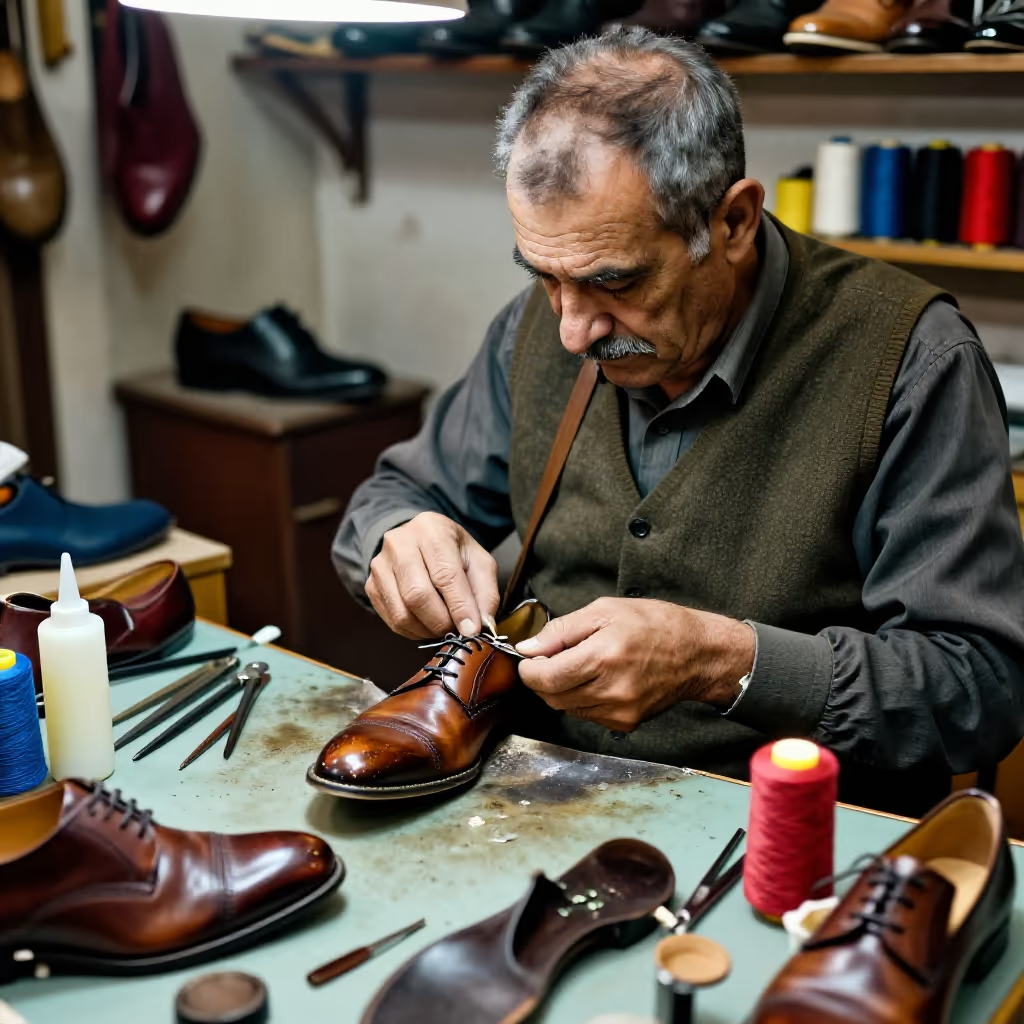
der Schuster
cobbler
A craftsperson who makes or repairs shoes. Another word for this is shoemaker.
EXAMPLE
Ich muss meine Stiefel zum Schuster bringen, weil der Absatz kaputt ist.
I need to take my boots to the cobbler because the heel is broken.
cobbler
Loading your saved state.
cobbler
A craftsperson who makes or repairs shoes. Another word for this is shoemaker.
Ich muss meine Stiefel zum Schuster bringen, weil der Absatz kaputt ist.
I need to take my boots to the cobbler because the heel is broken.
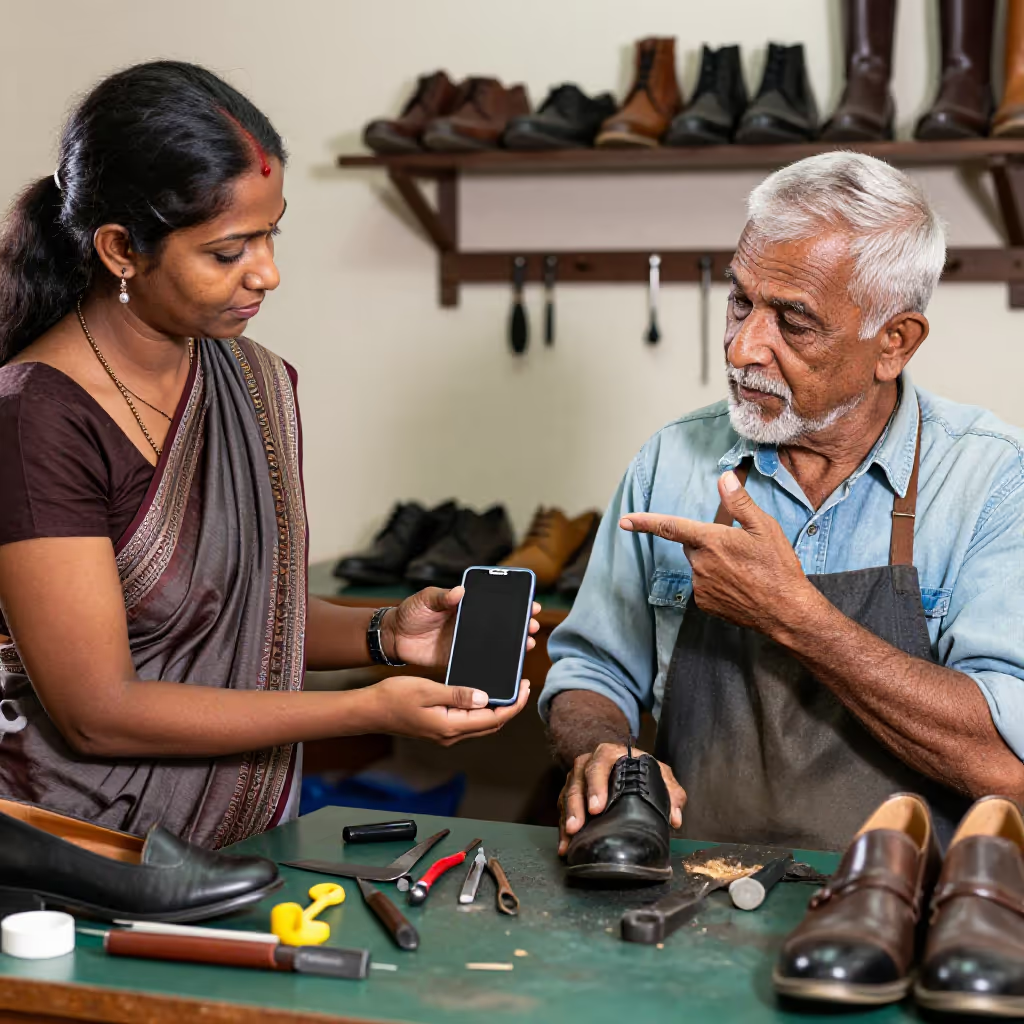
stick to your last
A proverb saying that you should focus on the things you understand and not interfere in unfamiliar fields of expertise.
Als der Bäcker anfing, Ratschläge zur Autoreparatur zu geben, dachte ich nur: „Schuster, bleib bei deinem Leisten“.
When the baker started giving advice on car repairs, I just thought: 'Cobbler, stick to your last.'
The word 'Schuster' (cobbler) is closely related to the word 'der Schuh' (the shoe). A Schuster is the traditional job title for someone who works with shoes professionally.
Meine neuen Schuhe sind schon kaputt, ich muss sie zum Schuster bringen.
My new shoes are already broken; I need to take them to the cobbler.
When you have broken shoes, you often use the phrase 'etwas zum Schuster bringen' (to take something to the cobbler). This expresses that you are dropping off the shoes for repair.
Ich bringe morgen meine alten Stiefel zum Schuster, damit er sie repariert.
Tomorrow I'm taking my old boots to the cobbler so he can repair them.
The proverb 'Schuster, bleib bei deinem Leisten' (cobbler, stick to your last) uses the word 'Leisten' (last), a tool used by cobblers. It advises you to comment only on things you really know something about.
Mein Nachbar wollte mir Tipps zur Geldanlage geben, aber ich dachte nur: Schuster, bleib bei deinem Leisten.
My neighbor wanted to give me investment tips, but I just thought: cobbler, stick to your last.
shoemaker
Schuster and Schuhmacher refer to the same profession: both make or repair shoes. Schuster is generally more common and often sounds more colloquial, while Schuhmacher sounds more neutral and professional. Schuster is very common in everyday speech, while Schuhmacher also fits well in professional or factual texts.
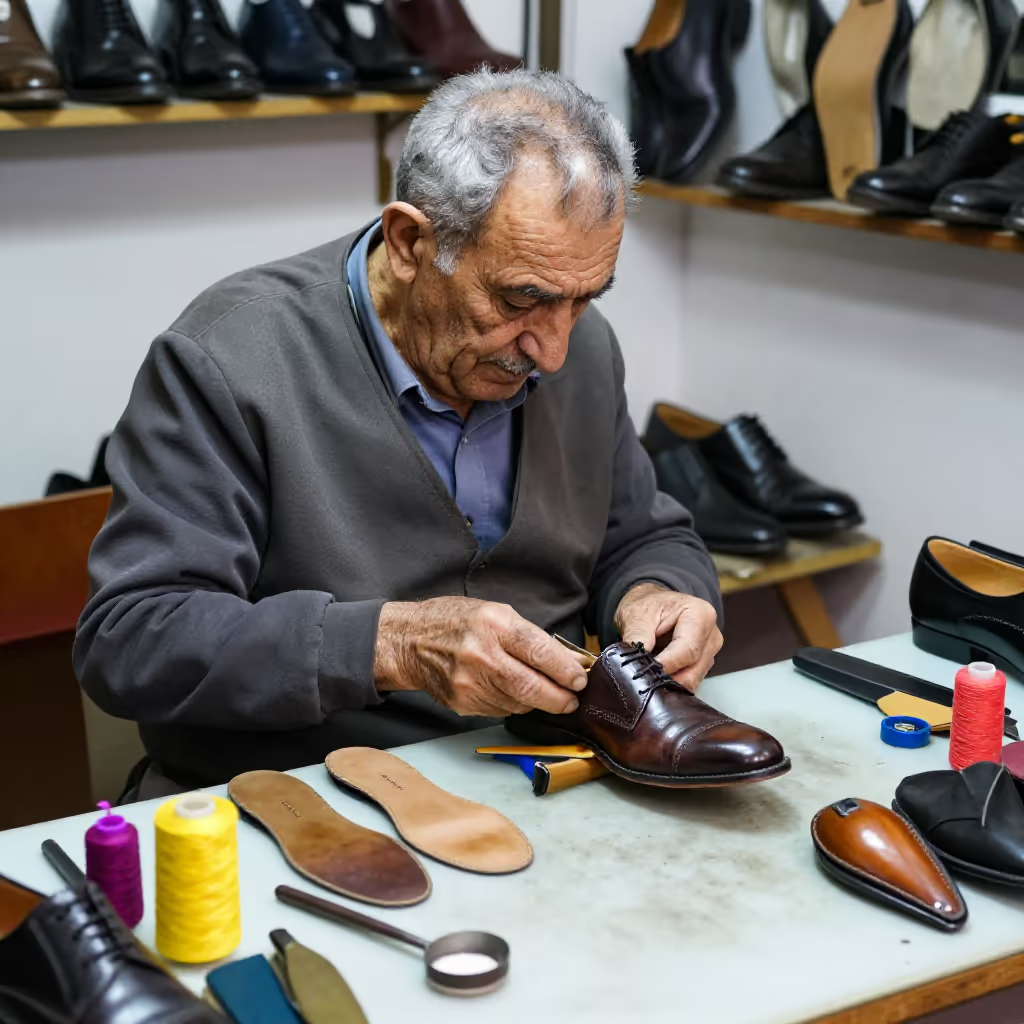
Der Schuster um die Ecke repariert meine alten Lederschuhe.
The cobbler around the corner repairs my old leather shoes.
Der Schuhmacher um die Ecke repariert meine alten Lederschuhe.
The shoemaker around the corner repairs my old leather shoes.