

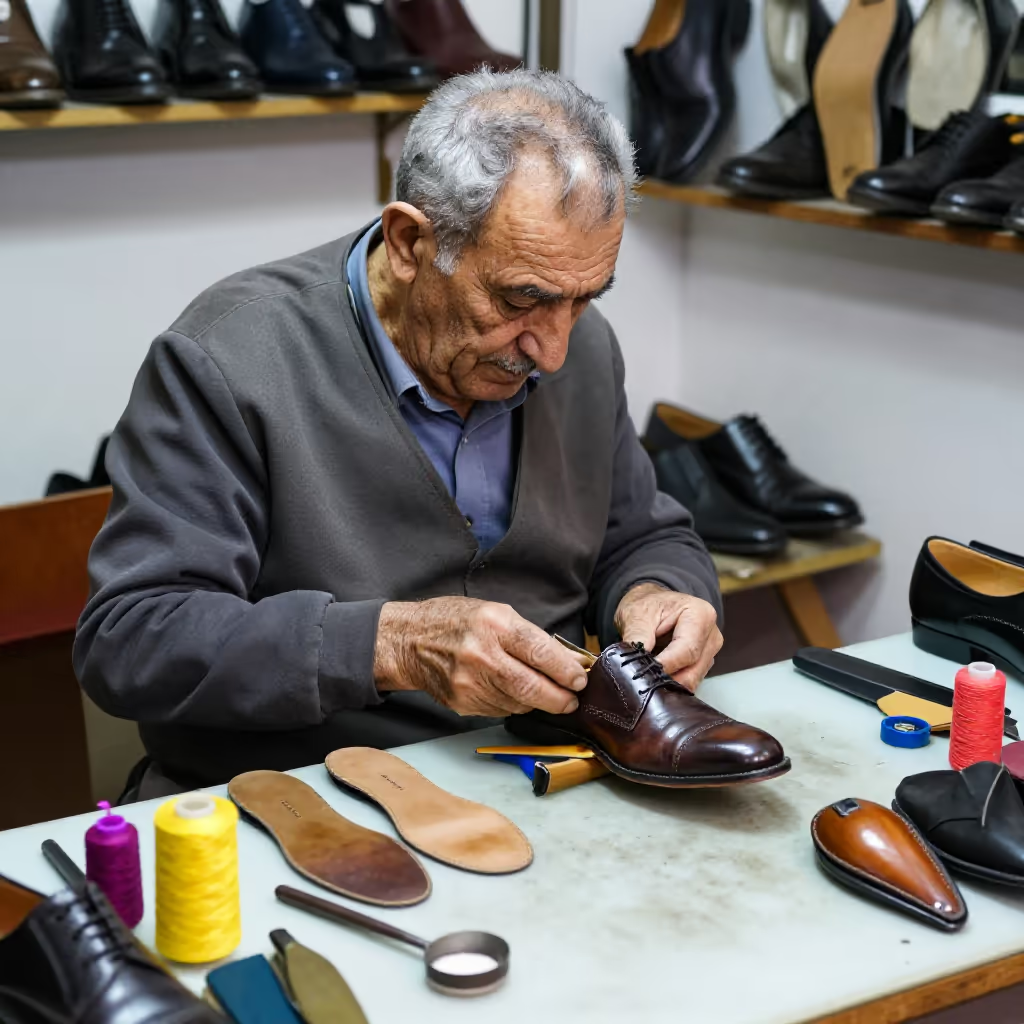
der Schuhmacher
shoemaker
A craftsperson who makes or repairs shoes professionally.
Ich muss meine Lieblingsschuhe zum Schuhmacher bringen, weil der Absatz kaputt ist.
I have to take my favorite shoes to the shoemaker because the heel is broken.
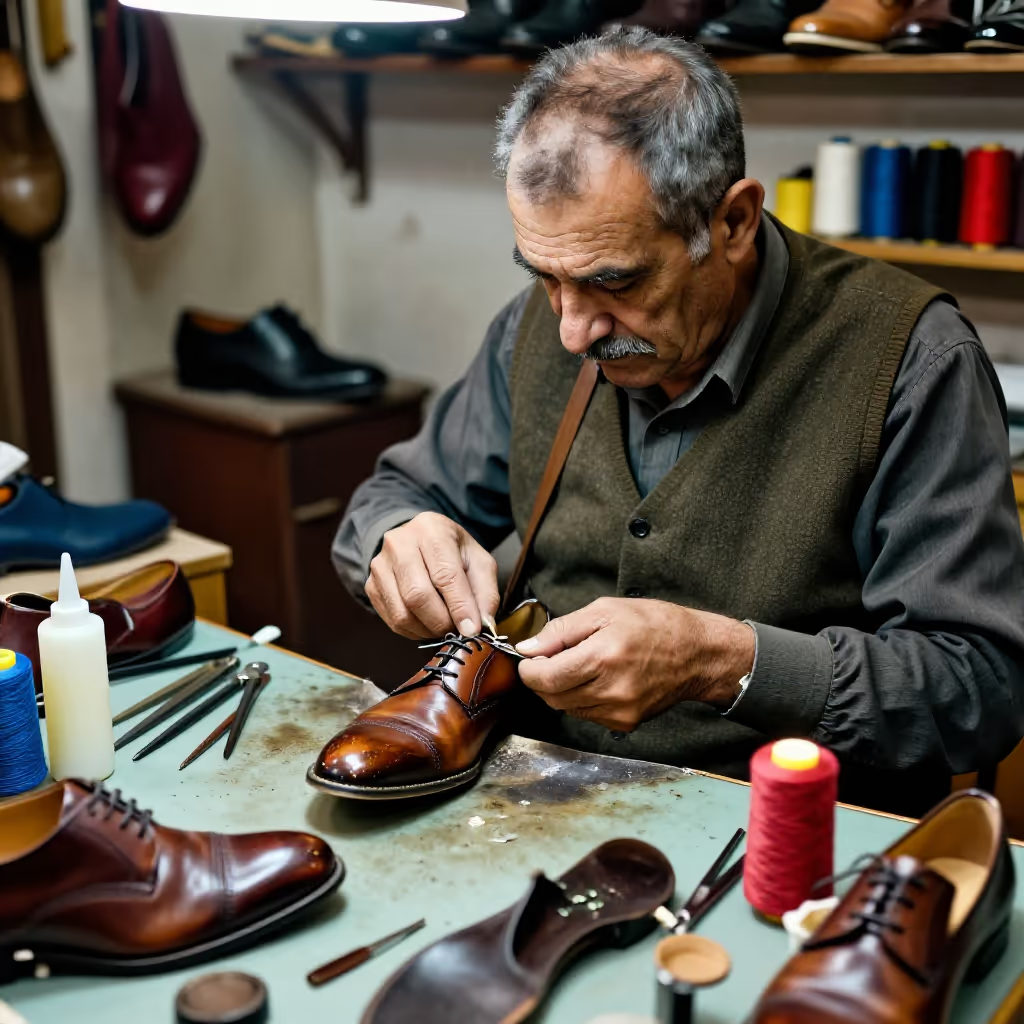
shoemaker
Loading your saved state.
shoemaker
A craftsperson who makes or repairs shoes professionally.
Ich muss meine Lieblingsschuhe zum Schuhmacher bringen, weil der Absatz kaputt ist.
I have to take my favorite shoes to the shoemaker because the heel is broken.

The word is made up of 'Schuh' (shoe) and 'Macher' (maker). The ending '-er' often refers to a person who performs a particular activity — here, someone who makes shoes.
Früher gab es in jedem Dorf einen Schuhmacher.
In the past, there was a shoemaker in every village.
To express that you are going there, you use the preposition 'zu' with the dative: 'zum Schuhmacher gehen' (to go to the shoemaker). To describe the location, you use 'bei': 'Die Schuhe sind beim Schuhmacher' (the shoes are at the shoemaker's).
Ich muss meine Stiefel zum Schuhmacher bringen.
I have to take my boots to the shoemaker.
Today, the activity most commonly associated with a shoemaker is repair. Typical phrases are therefore 'Schuhe reparieren lassen' (to have shoes repaired) or 'einen Absatz erneuern lassen' (to have a heel replaced).
Beim Schuhmacher kann man Absätze erneuern lassen.
At the shoemaker's, you can have heels replaced.
cobbler
„der Schuster“ und „der Schuhmacher“ meinen beide einen Handwerker, der Schuhe herstellt oder repariert. In vielen Situationen kann man beide Wörter gleich verwenden. „Schuhmacher“ klingt etwas direkter, weil das Wort sofort zeigt, dass es um Schuhe geht. „Schuster“ ist ebenfalls richtig und kommt auch in festen Sprichwörtern vor. Für eine Werkstatt oder einen Beruf passen beide Wörter gut.

Der Schuhmacher repariert die Sohle bis morgen.
Am Montag bringe ich meine kaputten Stiefel zum Schuster.