'Screening' is a word from English that is used in German technical and professional language. In everyday, informal conversation, it is rather rare.
EXAMPLE
Das Unternehmen führt bei allen Bewerbern ein standardisiertes Screening durch.
The company carries out a standardized screening for all applicants.
Context clues
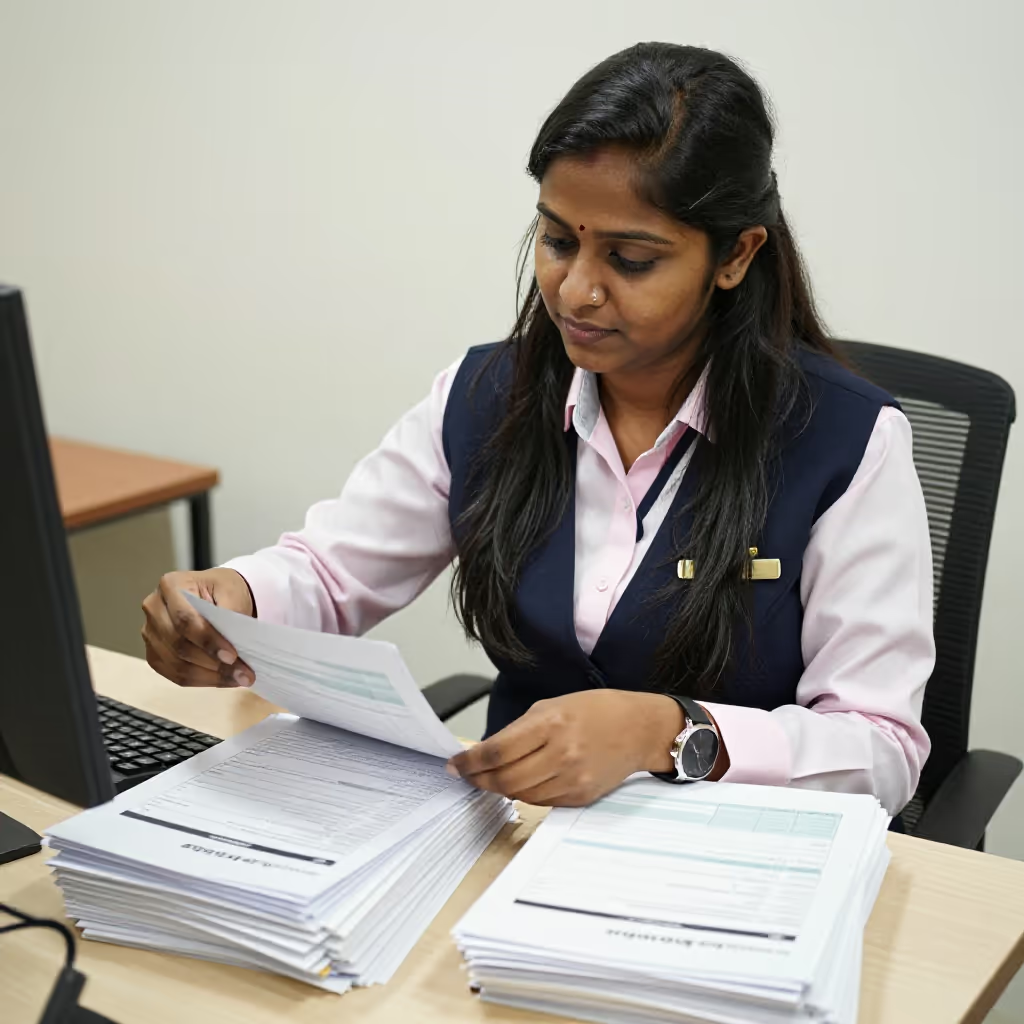
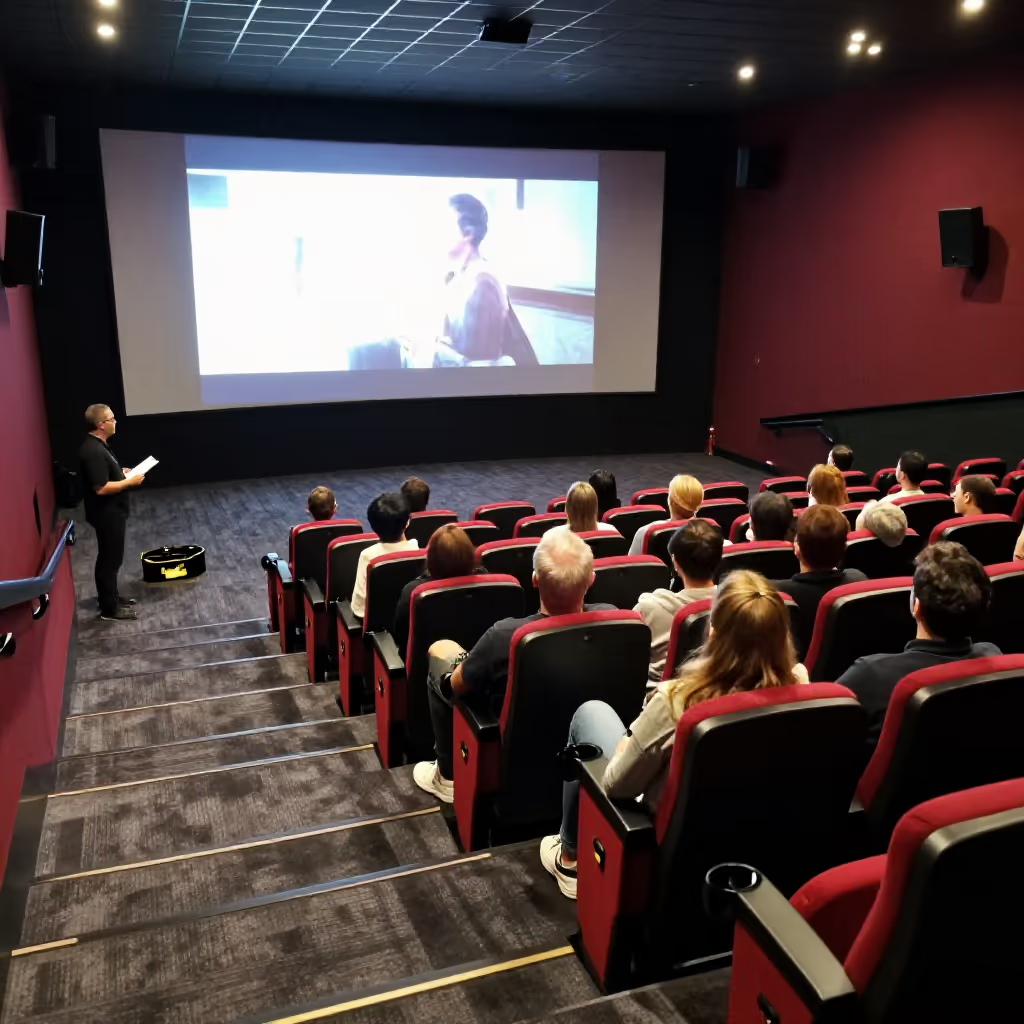
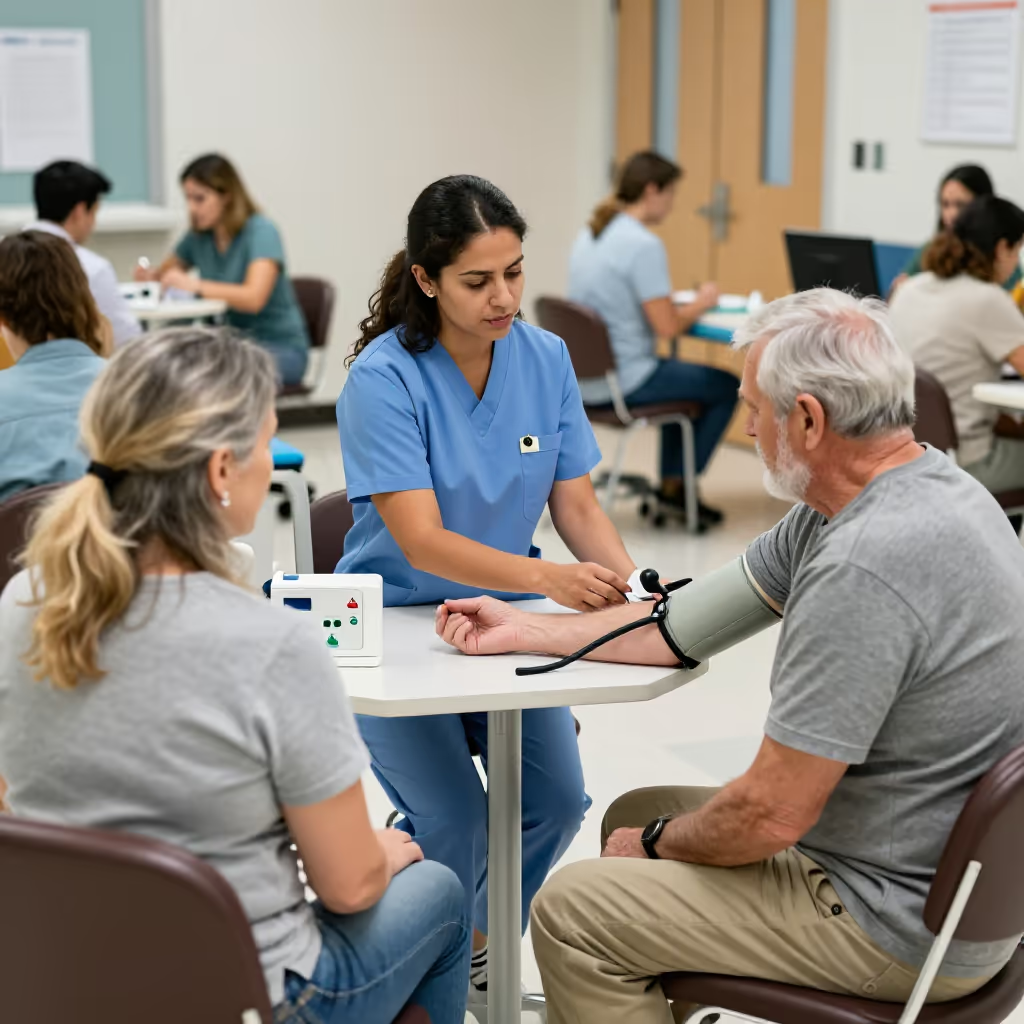
You can recognize the meaning of 'Screening' from the context. Medical terms like 'Krankheit' (disease) or 'Vorsorge' (preventive care) point to the examination. Words like 'Bewerber' (applicant) or 'Auswahl' (selection) point to the selection process. Terms like 'Film' or 'Kino' refer to the film showing.
EXAMPLE
Beim Lungenkrebs-Screening werden Risikopatienten untersucht.
In lung cancer screening, at-risk patients are examined.
Typical collocations
In a medical context, 'Screening' is often specified more precisely. Typical combinations are 'Vorsorge-Screening' (preventive screening), 'Neugeborenen-Screening' (newborn screening), or 'Krebs-Screening' (cancer screening).
EXAMPLE
Ein regelmäßiges Screening wird für bestimmte Altersgruppen empfohlen.
Regular screening is recommended for certain age groups.
Compare with
near_synonym · confusable
Screening vs Test
test
'der Test' and 'das Screening' both have to do with checking and examining. 'Test' is very general and can be used at school, in medicine, or with devices. 'Screening' usually means a systematic examination of many people, often to detect diseases or risks early. It can also mean a preliminary selection based on certain criteria. Learners may confuse the words because a screening often consists of tests. 'Test' fits a single exam, check, or examination, while 'Screening' is more appropriate for a planned procedure for a larger group.
Screening
Im Krankenhaus gibt es ein Screening, damit Krankheiten früh erkannt werden.
At the hospital, there is a screening program so that diseases can be detected early.
Test
Vor dem Kurs müssen alle Teilnehmer einen kurzen Test machen.
Before the course, all participants have to take a short test.