

selig
blissful
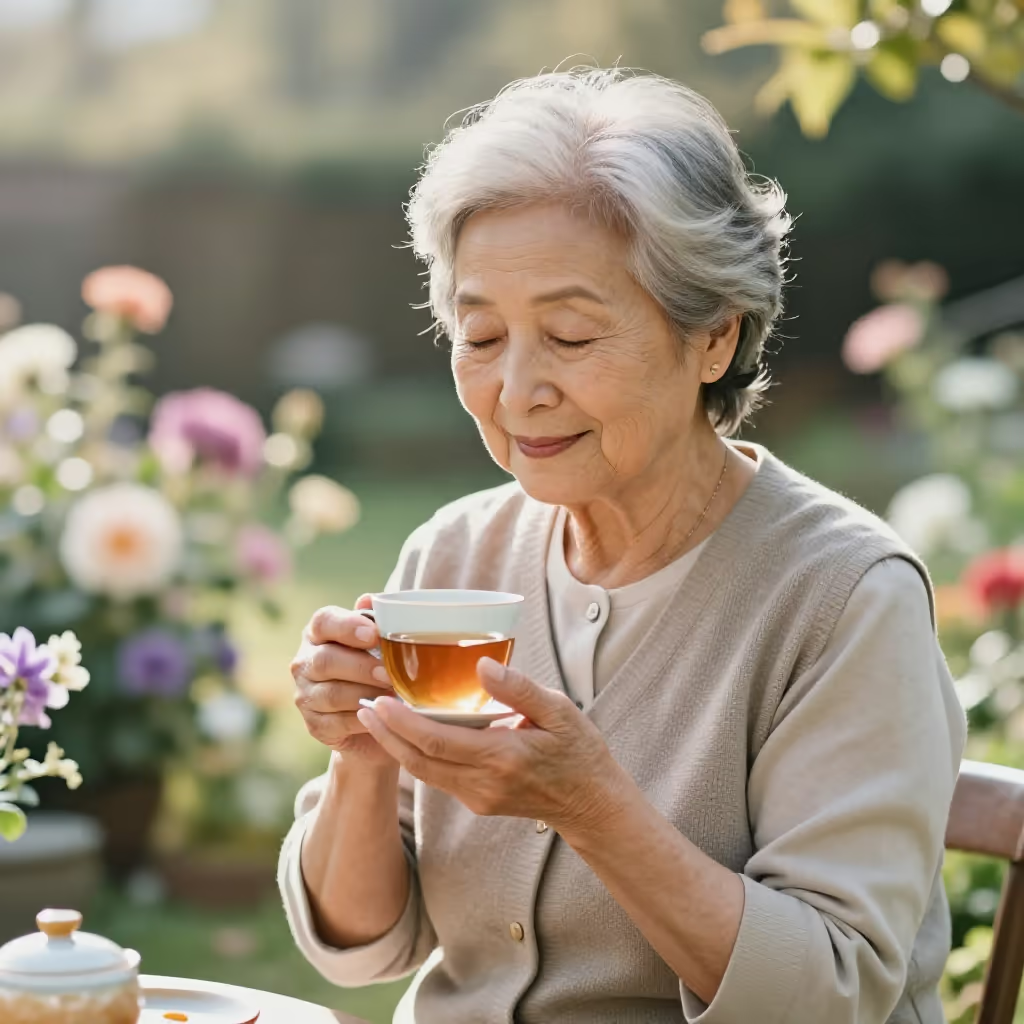
Describing a state of deep happiness, inner contentment, and peace.
EXAMPLE
Nach dem guten Essen lehnte er sich selig lächelnd zurück.
After the good meal, he leaned back with a blissful smile.
blissful / blessed / tipsy
Loading your saved state.
blissful
Describing a state of deep happiness, inner contentment, and peace.
Nach dem guten Essen lehnte er sich selig lächelnd zurück.
After the good meal, he leaned back with a blissful smile.
blessed
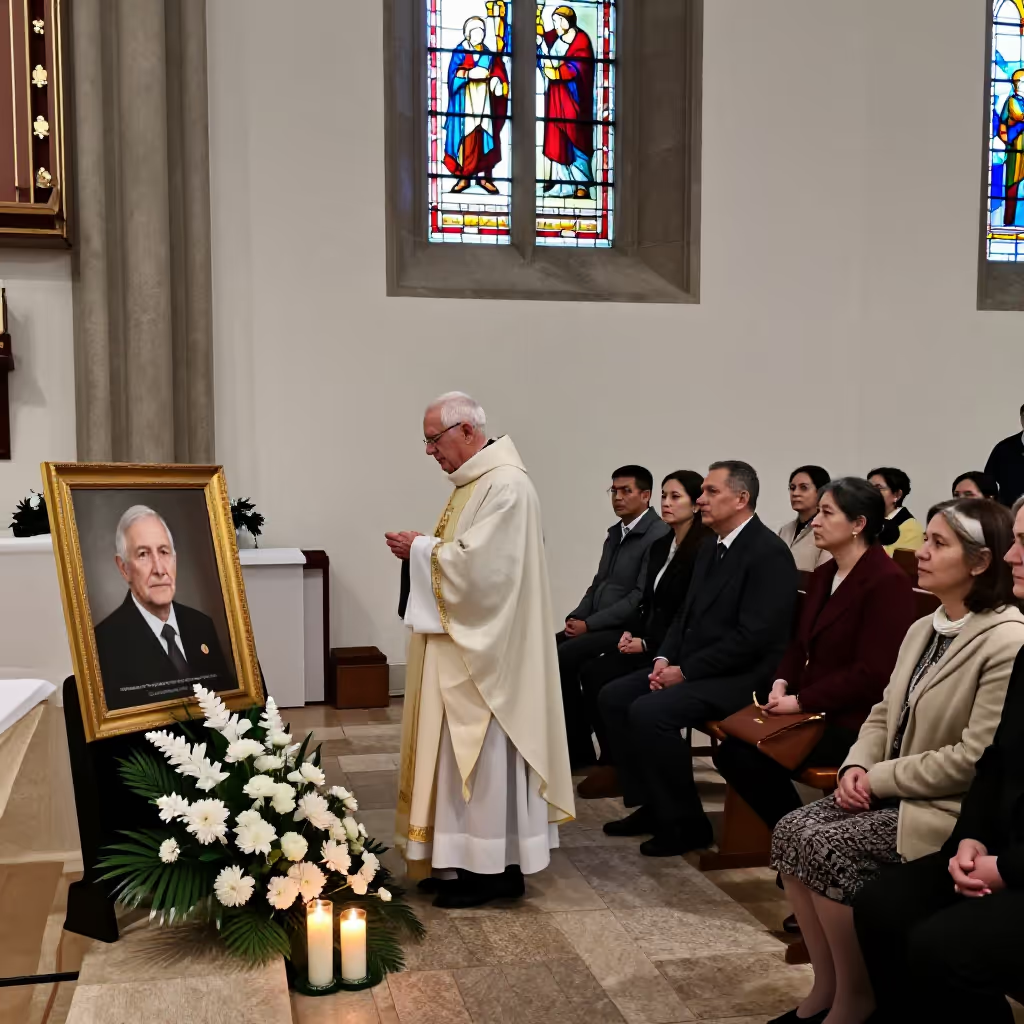
In a religious or spiritual context: redeemed after death and in paradise or heaven. Often used to speak reverently about deceased people.
Meine selige Großmutter hat diesen Kuchen immer so gebacken.
My blessed grandmother always baked this cake this way.
tipsy
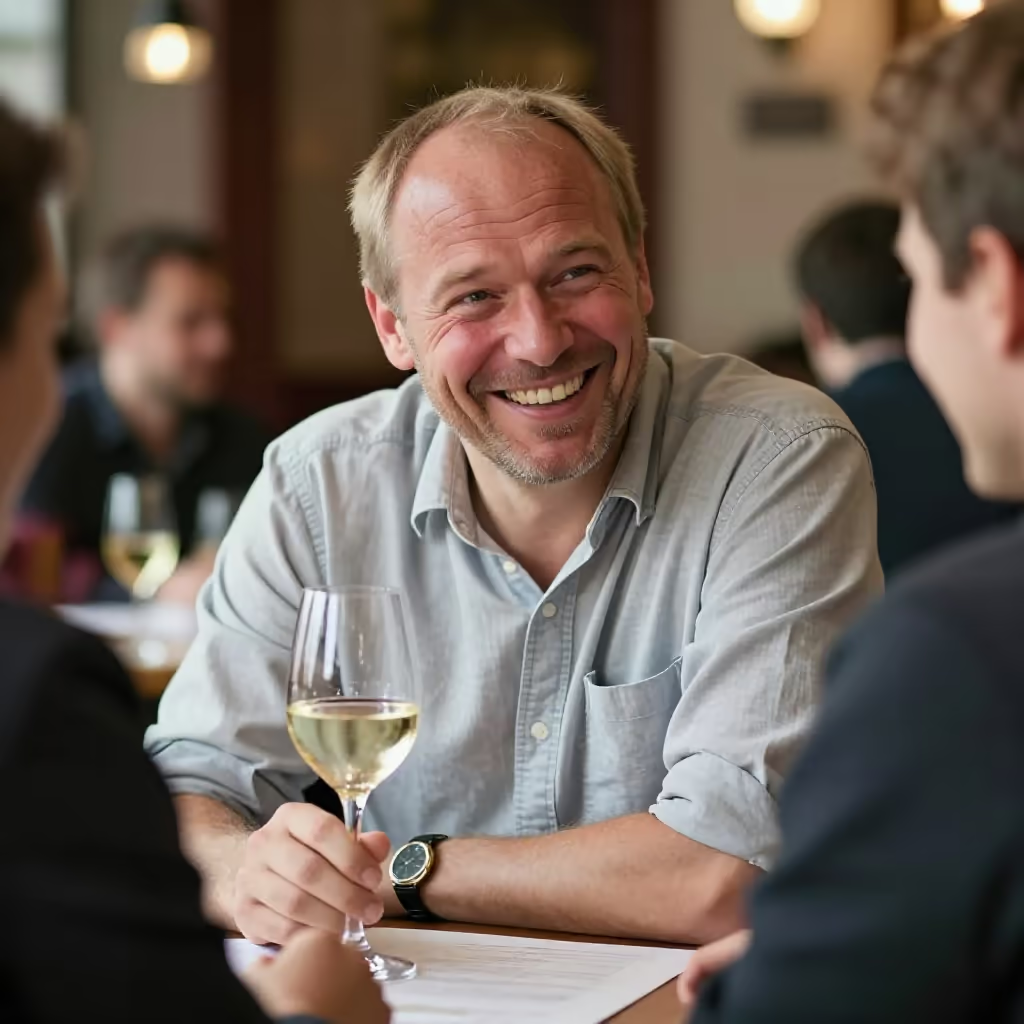
Colloquial for a state in which someone is slightly drunk and therefore cheerful and relaxed.
Nach zwei Gläsern Wein war die ganze Runde schon recht selig.
After two glasses of wine, the whole group was already quite tipsy.
Careful: 'selig' (blissful/blessed) sounds similar to the English word 'silly', but it has a completely different meaning. 'Selig' means happy or redeemed, while 'silly' in German is 'albern' or 'dumm'.
Das Baby schlief mit einem seligen Lächeln im Arm seiner Mutter.
The baby slept with a blissful smile in its mother's arms.
In the meaning 'verstorben' (deceased), 'selig' (blessed) comes directly after the noun and is not declined. This special word order is a clear sign of this reverent meaning.
Mein Großvater selig hat dieses Haus mit eigenen Händen gebaut.
My blessed grandfather built this house with his own hands.
The three meanings can be distinguished well from context. Talk of alcohol points to 'leicht angetrunken' (slightly tipsy). A state of calm and contentment means 'glücklich' (happy/blissful). The mention of a deceased person, often with the special word order, points to the religious meaning.
Nach dem langen Spaziergang saß er selig vor dem Kamin.
After the long walk, he sat blissfully in front of the fireplace.
In the meaning 'glücklich und zufrieden' (happy and content), 'selig' (blissful) is often combined with verbs of expression or state. Common phrases are 'selig lächeln' (to smile blissfully) or 'selig schlafen' (to sleep blissfully).
Die Katze lag selig schnurrend in der Sonne.
The cat lay in the sun, purring blissfully.
happy / lucky
Both words describe strongly positive feelings. „Glücklich“ generally refers to happiness and well-being, while „selig“ expresses an especially deep, peaceful, and almost transcendent happiness. „Glücklich“ fits ordinary personal happiness; an exceptionally peaceful state of joy can be described as „selig“.
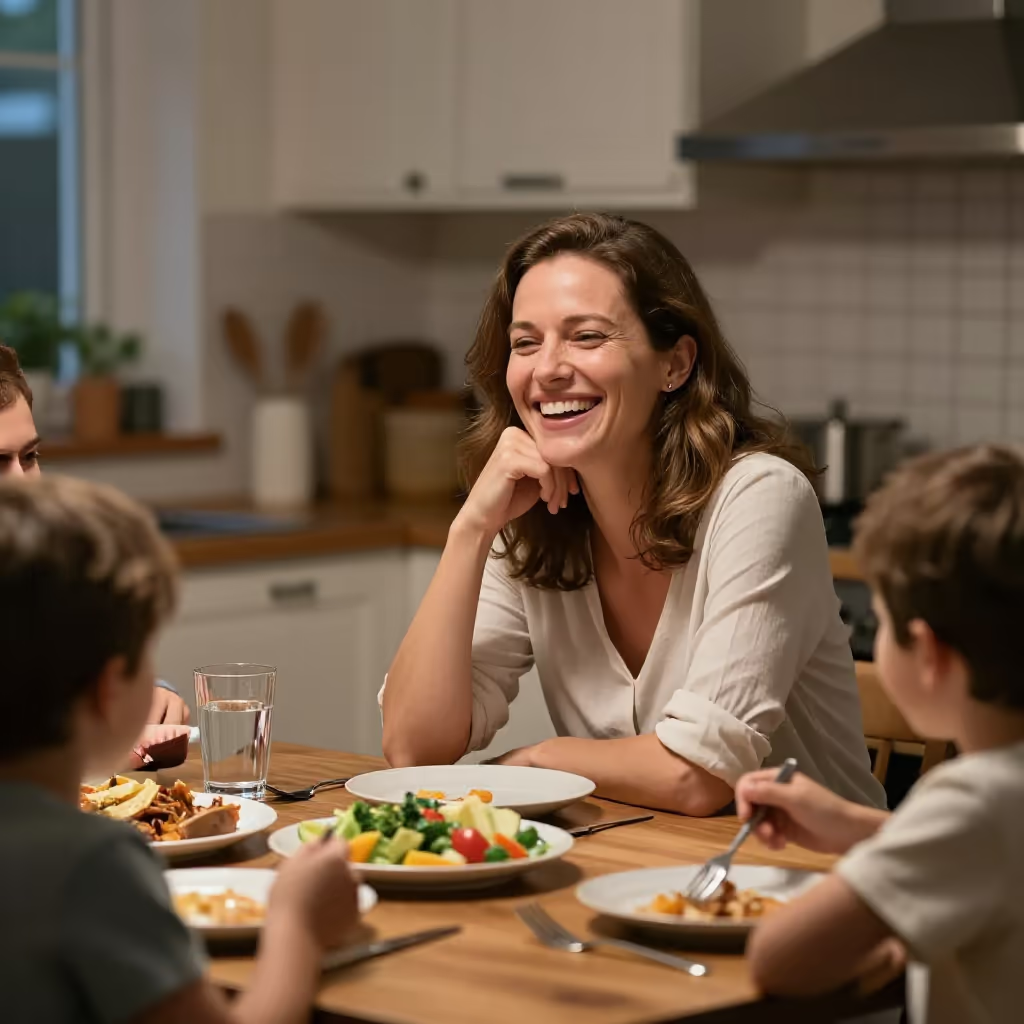
Nach der stillen Meditation lächelte sie selig.
After the quiet meditation, she smiled blissfully.
Nach dem Gespräch mit ihrer Familie fühlte sie sich glücklich.
After talking to her family, she felt happy.