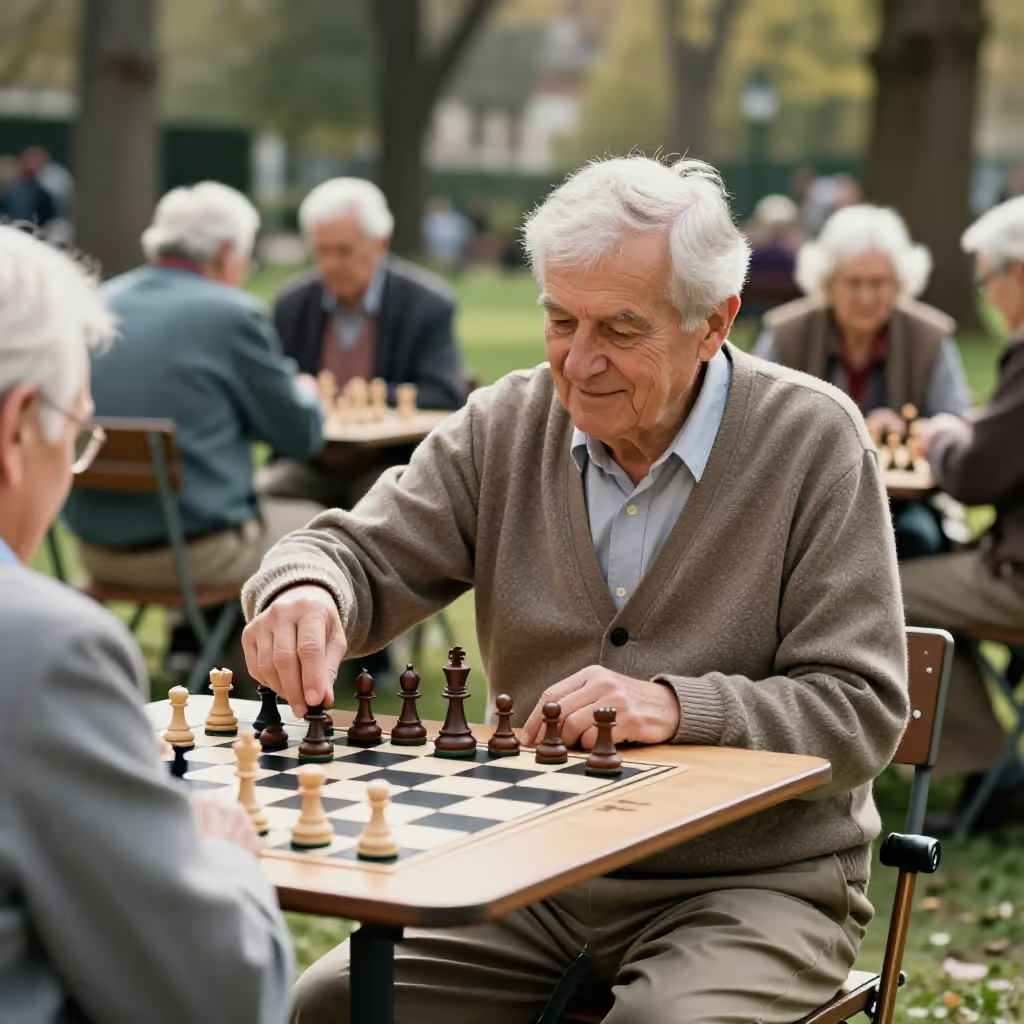
der Senior
senior citizen
An older person, usually of retirement age. Often used as a polite term for retirees.
Das Museum bietet einen ermäßigten Eintrittspreis für Senioren an.
The museum offers a reduced admission price for senior citizens.


senior
Loading your saved state.
senior citizen
An older person, usually of retirement age. Often used as a polite term for retirees.
Das Museum bietet einen ermäßigten Eintrittspreis für Senioren an.
The museum offers a reduced admission price for senior citizens.
The word comes directly from Latin, where 'senior' means 'the older one'. This basic meaning of 'older' or 'higher-ranking' connects all uses of the word.
Innerhalb der Familie ist er der Senior, also der Älteste.
Within the family, he is the senior, meaning the oldest.
Unlike in American English, 'Senior' in German is not used for a pupil or student in their final year of study. There is no direct equivalent for this.
Er ist Student im letzten Semester, aber man nennt ihn nicht „Senior“.
He is a student in his final semester, but he is not called a 'Senior'.
The context reveals the meaning: A discount points to an older person. A business card with 'Senior Manager' refers to rank. A sports event refers to the age class, and a name with an added title refers to the father.
Als Senior-Architekt hat er mehr Verantwortung.
As a senior architect, he has more responsibility.
As a term for older people, the word is often found in combinations such as 'Rabatt für Senioren' (discount for senior citizens), 'Seniorenheim' (retirement home), or 'Seniorenteller' (a smaller portion in a restaurant).
Viele ältere Menschen leben in einer Seniorenresidenz.
Many older people live in a senior residence.
In professional contexts, 'Senior' is placed as a title before the actual job title, e.g. 'Senior-Entwickler' (senior developer). It signals a high level of experience and responsibility.
Sie wurde zur Senior-Projektleiterin befördert.
She was promoted to senior project manager.
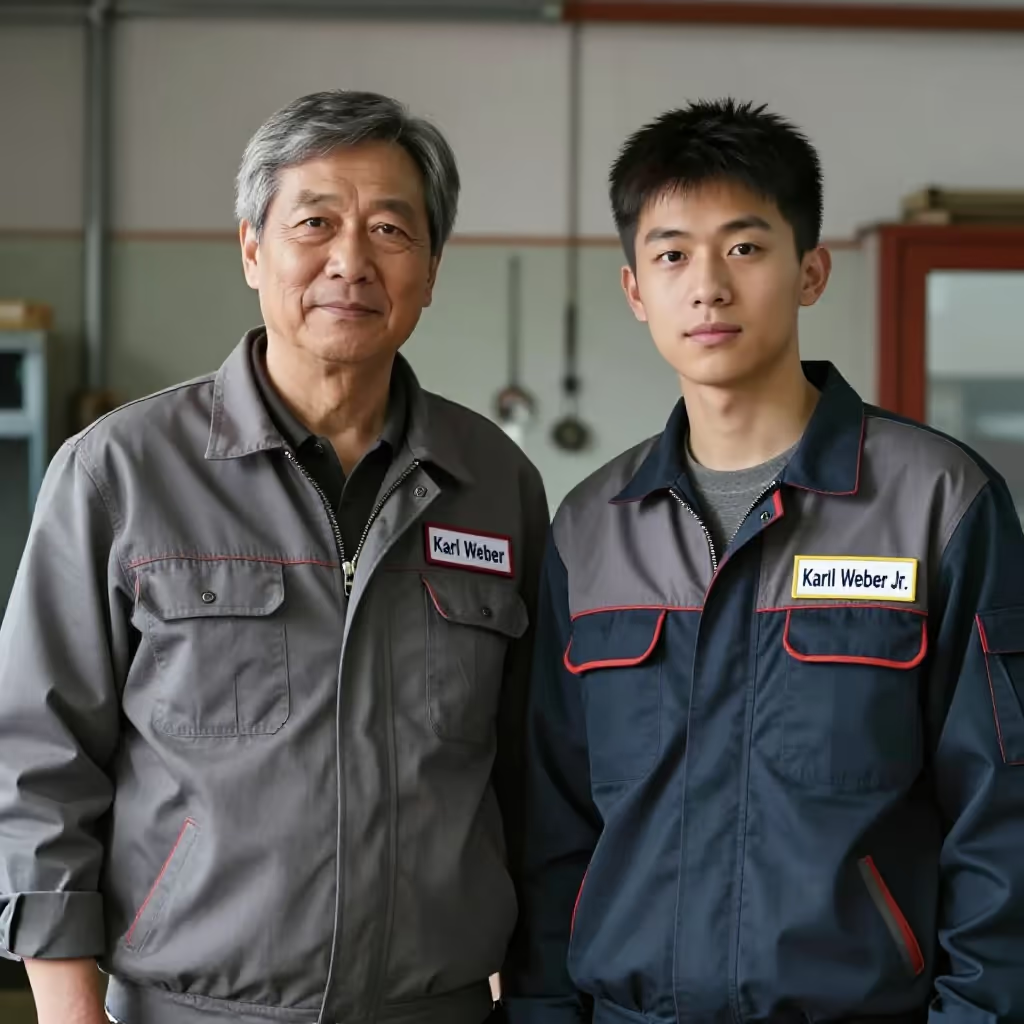
To distinguish a father from a son with the same name, 'Senior' (often abbreviated as 'sen.' or 'sr.') is added to the name. The son then receives the addition 'Junior'.
Das Geschäft gehört jetzt Paul Meier Junior, sein Vater war Paul Meier Senior.
The business now belongs to Paul Meier Junior; his father was Paul Meier Senior.
grandpa
'Opa' and 'Senior' can both have to do with an older man. However, 'Opa' is mainly a familiar word for one's own grandfather. It can also be used informally for an old man; depending on the tone, that can sound affectionate or somewhat disrespectful. 'Senior' is more neutral and polite, especially when speaking generally about older people, for example in offers, courses, or prices. Learners may confuse the words because both often refer to older men. The important point is: 'Opa' sounds family-like and familiar, while 'Senior' sounds more general and more respectful.

Im Schwimmbad bekommen Senioren am Vormittag einen günstigeren Eintritt.
At the swimming pool, senior citizens get cheaper admission in the morning.
Am Sonntag kommt mein Opa zum Essen zu uns.
On Sunday, my grandpa is coming to our place for dinner.