


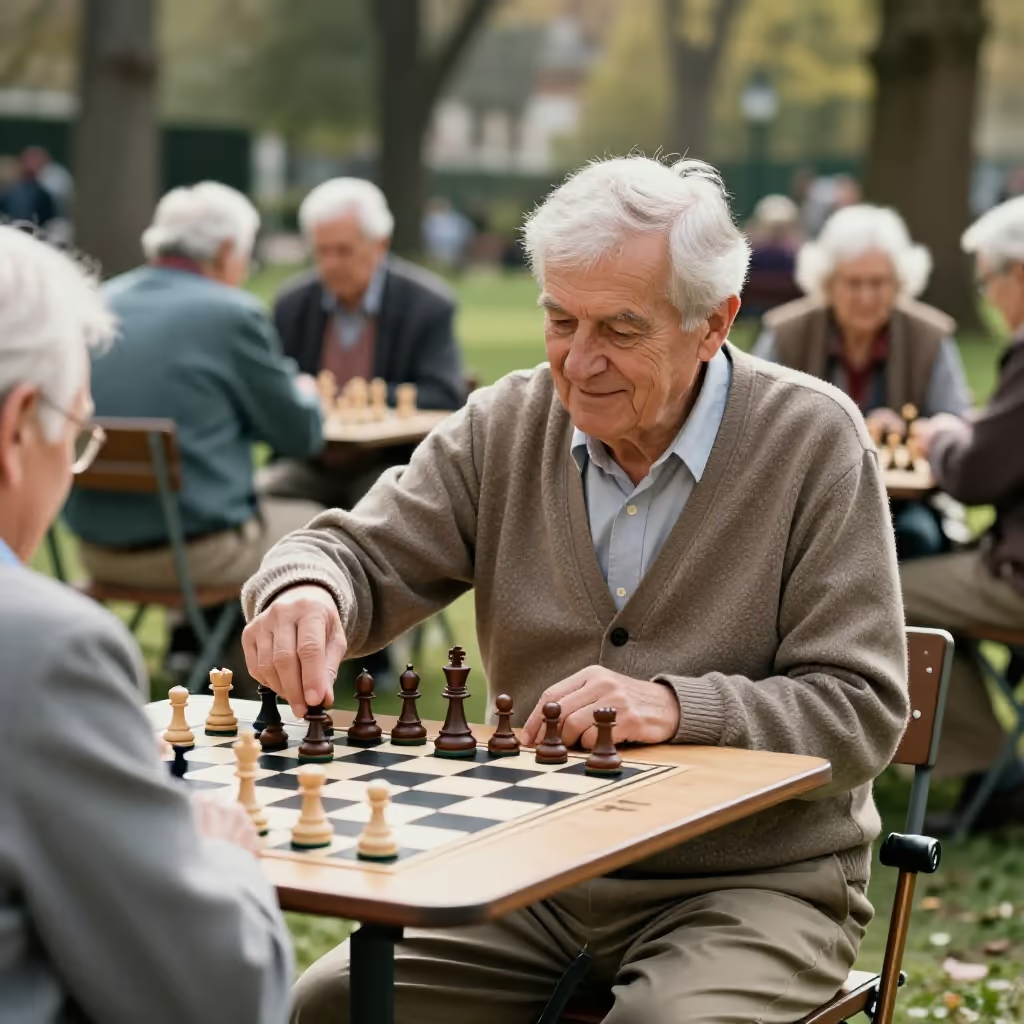
A very old man. The term is often perceived as dignified, but also as old-fashioned, and is mostly used in literature or in an elevated style.
example
Der weise Greis saß auf der Parkbank und erzählte den Kindern Geschichten von früher.
The wise old man sat on the park bench and told the children stories from long ago.
Usage tips
N-declension
'Der Greis' (the old man) belongs to the N-declension. This means that it takes an '-en' ending in all cases except the nominative singular. The genitive singular is an exception and is 'des Greises'.
EXAMPLE
Die Kinder lauschten den Geschichten des Greises.
The children listened to the old man's stories.
Register and style
This word belongs to an elevated, literary style and can sound old-fashioned or overly formal in everyday speech. It is often used to express wisdom and old age.
EXAMPLE
In alten Märchen trifft der Held oft einen weisen Greis im Wald.
In old fairy tales, the hero often meets a wise old man in the forest.
Typical adjectives
Common adjectives used with 'Greis' (old man) to characterize the figure are 'weise' (wise), 'ehrwürdig' (venerable), or simply 'alt' (old).
EXAMPLE
Ein ehrwürdiger Greis begrüßte die Gäste am Eingang des Klosters.
A venerable old man greeted the guests at the entrance to the monastery.
Compare with
near_synonym
Greis vs Opa
grandpa
'Opa' and 'Greis' can both refer to an old man. 'Opa' is informal and can sound friendly, familiar, or sometimes a bit disrespectful. It is much more commonly used in everyday language, especially when speaking in a familiar or casual way. 'Greis' means a very old man and sounds elevated, old-fashioned, or literary. In normal conversations, 'Greis' often feels unusual. When talking about your own grandfather, 'Opa' fits; when a text speaks in a very stylish or narrative way about a very old man, 'Greis' can fit.
Greis
In der Geschichte hilft ein Greis dem Jungen auf seinem Weg durch den Wald.
In the story, an old man helps the boy on his way through the forest.
Opa
Im Sommer besuchst du deinen Opa oft am Abend.
In the summer, you often visit your grandpa in the evening.