

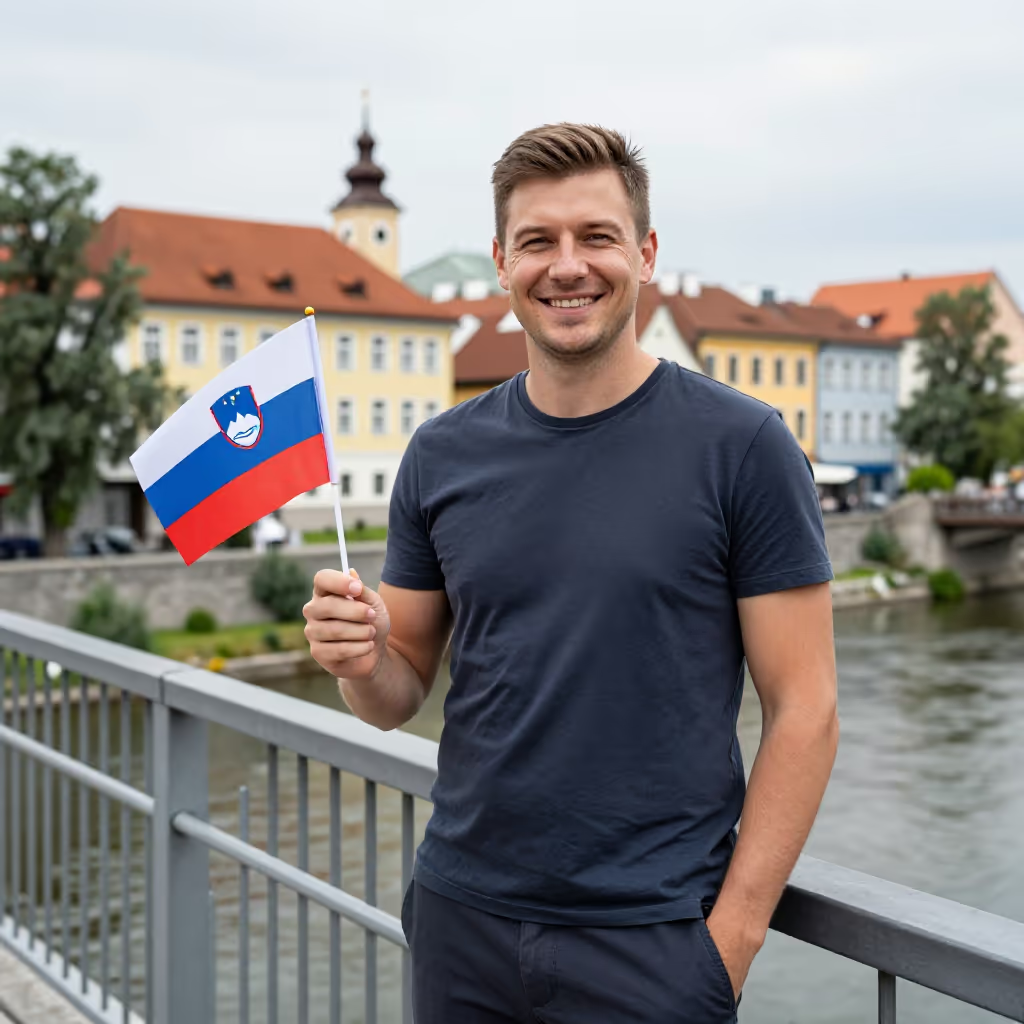
der Slowene
Slovene
A male citizen of Slovenia or a male person of Slovenian origin.
EXAMPLE
Der neue Spieler in der Basketballmannschaft ist ein Slowene aus Ljubljana.
The new player on the basketball team is a Slovene from Ljubljana.
Slovene
Loading your saved state.
Slovene
A male citizen of Slovenia or a male person of Slovenian origin.
Der neue Spieler in der Basketballmannschaft ist ein Slowene aus Ljubljana.
The new player on the basketball team is a Slovene from Ljubljana.
'Der Slowene' (the Slovene) is a noun of the N-declension. This means it takes the ending '-n' in all cases except the nominative singular: genitive, dative, and accusative.
Ich habe dem Slowenen den Weg zum Bahnhof erklärt.
I explained the way to the train station to the Slovene.
This word belongs to a word family that refers to the country 'Slowenien' (Slovenia). It also includes the feminine form 'die Slowenin' (female Slovene) and the adjective 'slowenisch' (Slovenian).
Die slowenische Küste ist sehr schön.
The Slovenian coast is very beautiful.
The plural form ('die Slowenen', the Slovenes) is identical to the forms for the genitive, dative, and accusative in the singular. Only the article and the sentence context show whether one or several people are meant.
Ich spreche mit dem Slowenen. (eine Person, Dativ)
I am speaking with the Slovene. (one person, dative)
Slovak
Der Slowene is a man from Slovenia or of Slovenian origin. Der Slowake, by contrast, is a man from Slovakia or with Slovak citizenship. The key distinction is therefore the country they are associated with: Slovenia or Slovakia.
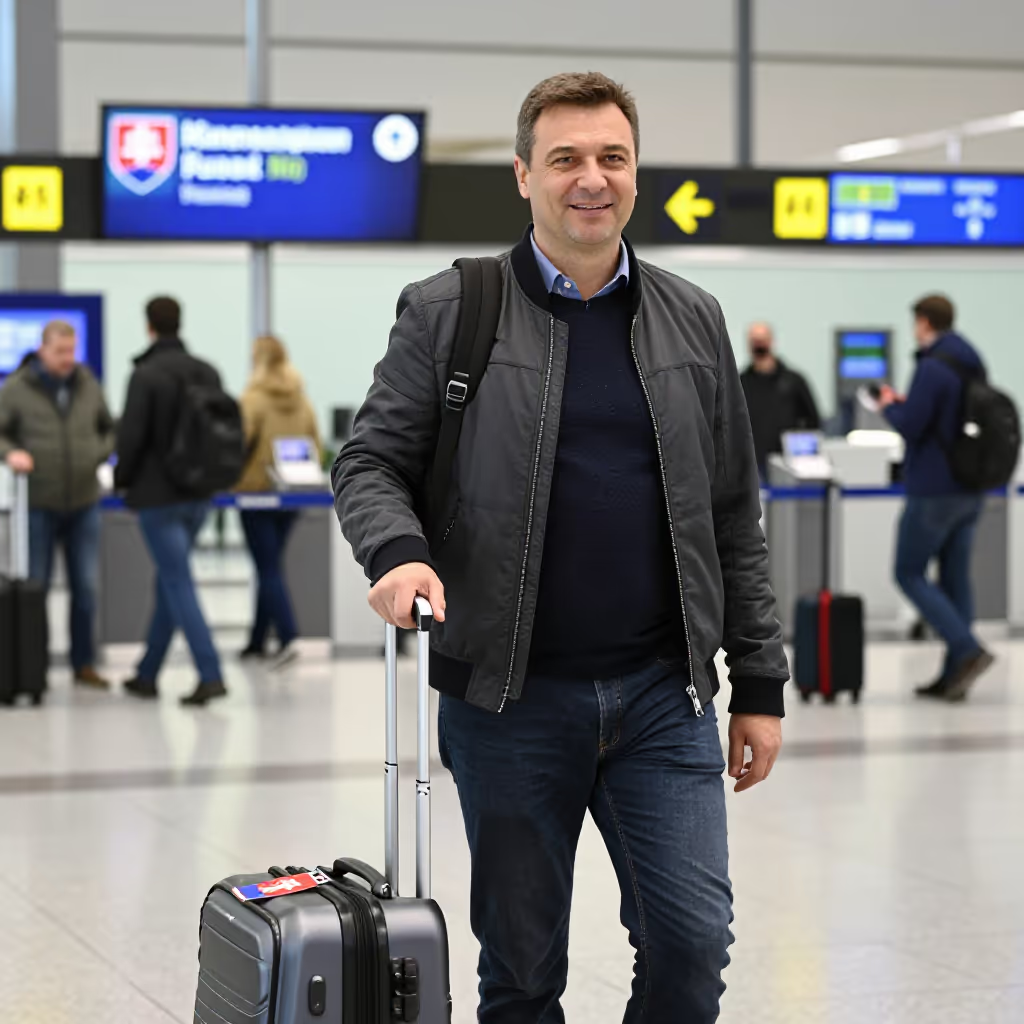
Marko kommt aus Slowenien und ist Slowene.
Marko is from Slovenia and is Slovene.
Martin kommt aus der Slowakei und ist Slowake.
Martin is from Slovakia and is Slovak.