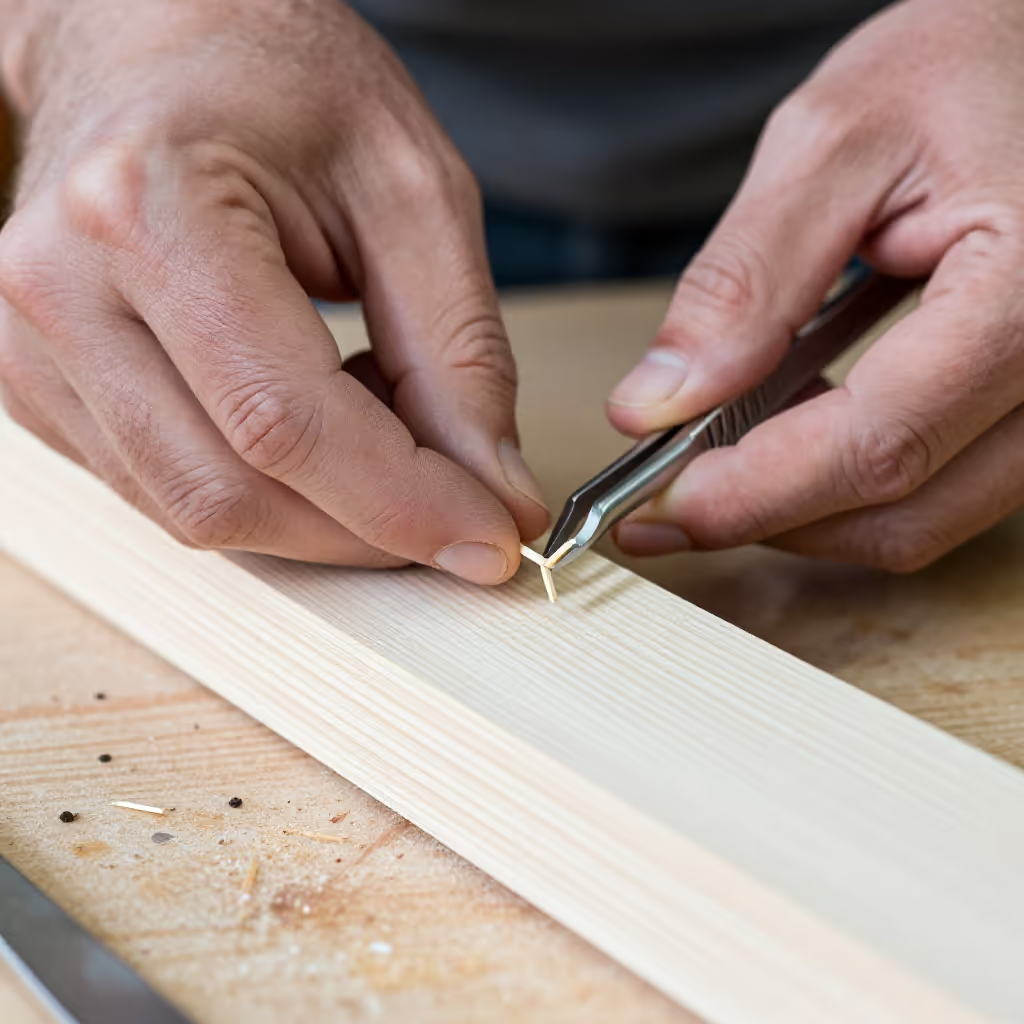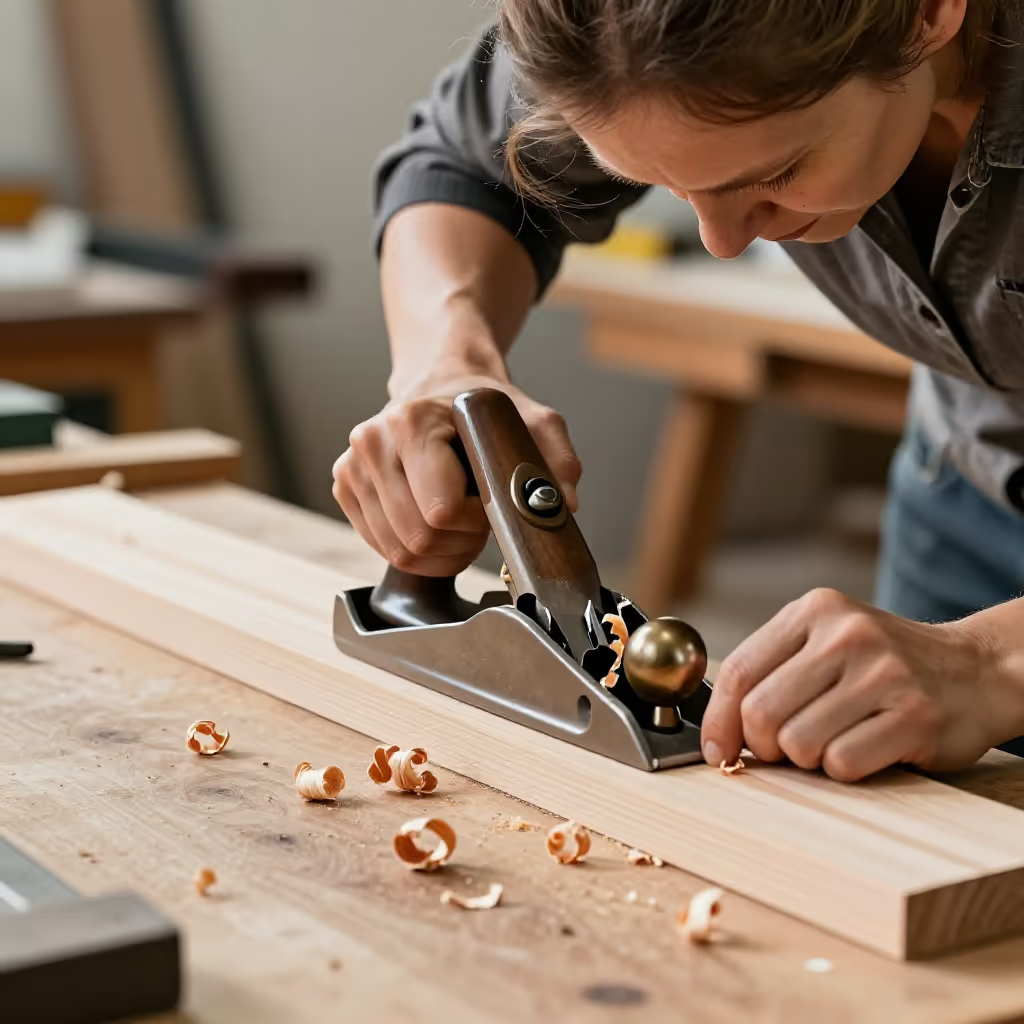
A small, often thin and separated piece of a material, especially wood or metal, produced when it is worked with tools such as saws, planes, or drills.
example
Nach dem Bohren der Löcher waren überall auf dem Boden feine Metallspäne verteilt.
After the holes were drilled, fine metal shavings were scattered all over the floor.
Usage tips
Typical collocations
In its material meaning, 'Span' (chip/shaving) is often combined with the material it consists of, e.g. 'Holzspan' (wood shaving), 'Metallspan' (metal shaving), or 'Eisenspan' (iron filing). Most of the time, the word is used in the plural 'Späne' (shavings/chips).
EXAMPLE
Nach dem Sägen mussten wir die ganzen Holzspäne zusammenkehren.
After sawing, we had to sweep up all the wood shavings.
Technical context
The word 'Span' (chip/shaving), and especially the plural 'Späne' (shavings/chips), is typical of the technical language of woodworking and metalworking. The related verbs are, for example, 'hobeln' (to plane), 'sägen' (to saw), or 'zerspanen' (to machine/cut by removing material).
EXAMPLE
Die Zerspanungstechnik ist ein wichtiges Fertigungsverfahren in der Metallindustrie.
Machining technology is an important manufacturing process in the metal industry.
Context clue
You can recognize the idiomatic meaning from the fact that it occurs almost exclusively in the complete proverb 'Wo gehobelt wird, da fallen Späne' (where there’s planing, shavings fall). If 'Span' (chip/shaving) or 'Späne' (shavings/chips) is used as a normal noun, it always refers to the piece of material.
EXAMPLE
Der Boden der Werkstatt war voller Späne.
The workshop floor was full of shavings.
Using the idiom
The proverb is used to justify negative side effects of a necessary action. It expresses that small disadvantages are unavoidable if you want to achieve a larger goal.
EXAMPLE
Natürlich gab es bei der Umstellung Probleme, aber wo gehobelt wird, da fallen eben Späne.
Of course there were problems during the changeover, but where there’s planing, shavings are bound to fall.
Compare with
near_synonym
Span vs Stückchen
little piece
'Stückchen' and 'Span' can both mean a small part of something larger. 'Stückchen' is very general and can be used for many things, such as food, paper, or fabric. 'Span' is more specific: it is usually thin and is produced when wood or metal is worked, for example when sawing, planing, or drilling. That is why 'Span' sounds natural mainly in workshop or craft contexts. You use 'Stückchen' when you simply want to say that something is small and separated.
Span
Beim Hobeln fiel ein langer Span auf den Boden.
While planing, a long shaving fell to the floor.
Stückchen
Nach dem Essen blieb nur ein kleines Stückchen Kuchen übrig.
After the meal, only a small piece of cake was left.