

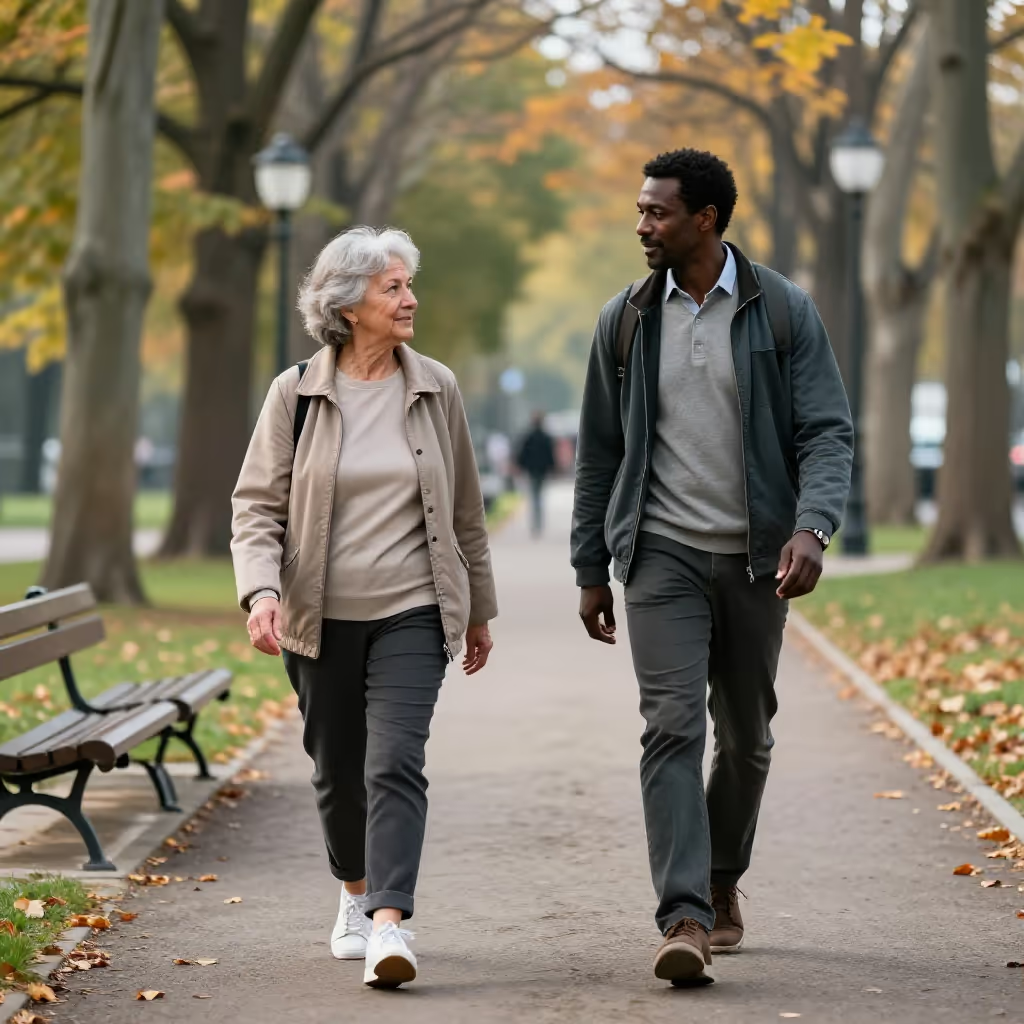
der Spaziergang
walk
A leisurely walk on foot outdoors that serves relaxation, recreation, or light exercise.
EXAMPLE
Am Sonntagnachmittag machen wir gerne einen Spaziergang im Park.
On Sunday afternoons, we like to take a walk in the park.
walk
Loading your saved state.
walk
A leisurely walk on foot outdoors that serves relaxation, recreation, or light exercise.
Am Sonntagnachmittag machen wir gerne einen Spaziergang im Park.
On Sunday afternoons, we like to take a walk in the park.

walk in the park
In a figurative sense, a very easy task that can be handled effortlessly. Usually used in the expression 'kein Spaziergang sein' (to be no walk in the park).
Die Abschlussprüfung wird sicher kein Spaziergang.
The final exam will certainly be no walk in the park.
'Der Spaziergang' (the walk) is the nominalization of the verb 'spazieren gehen' (to go for a walk). It summarizes the entire action in a single noun.
Lass uns heute Abend spazieren gehen.
Let's go for a walk this evening.
The most common and natural verb-noun combination is 'einen Spaziergang machen' (to take a walk). This is the standard phrasing for expressing that someone is going for a walk.
Wollen wir am Wochenende einen Spaziergang am See machen?
Do we want to take a walk by the lake on the weekend?
The figurative meaning is almost always used in the negative expression 'kein Spaziergang sein' (to be no walk in the park). It means that a task is very difficult or exhausting.
Das Projekt pünktlich fertigzustellen, war kein Spaziergang.
Finishing the project on time was no walk in the park.
hike / migration
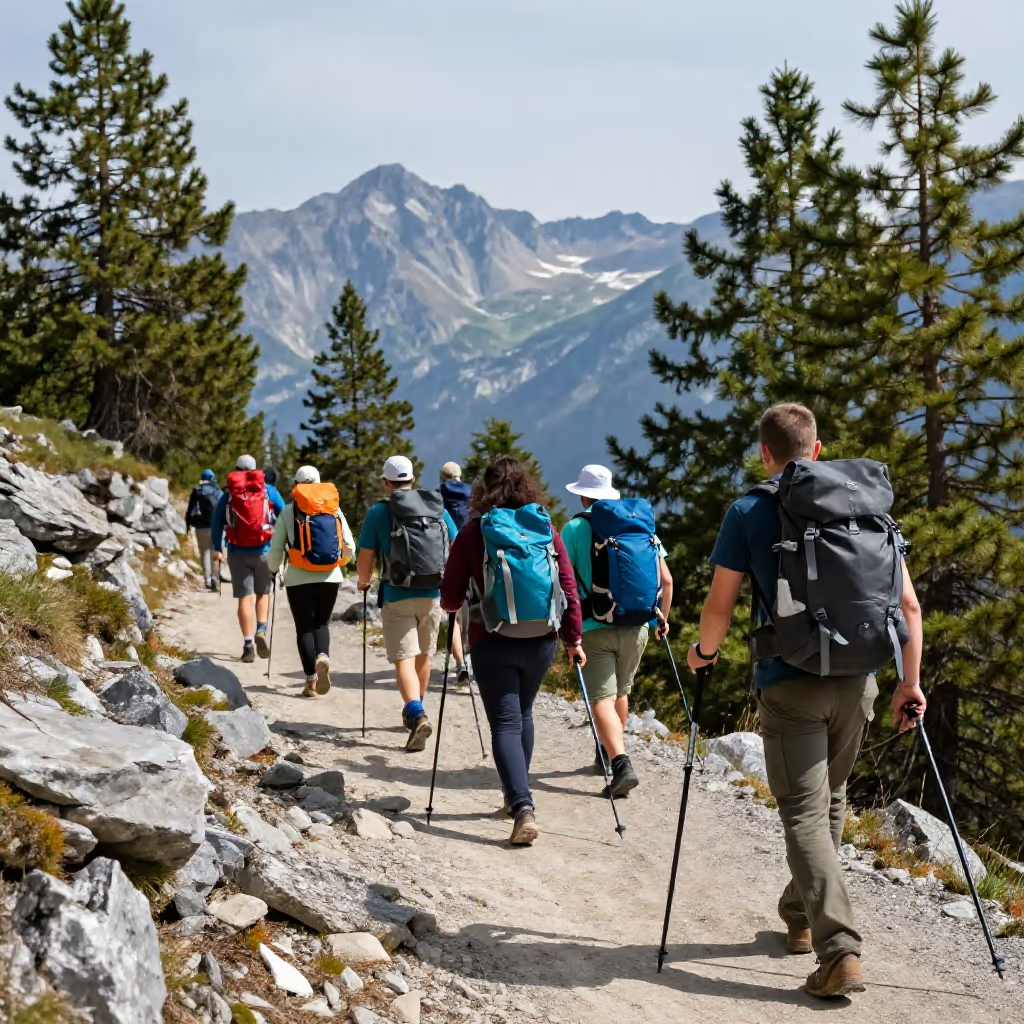
Both a Spaziergang (walk) and a Wanderung (hike) involve exercise and recreation outdoors. A Spaziergang is usually relaxed and fairly short, whereas a Wanderung is typically longer, planned, and more physically demanding. The boundary is not clear-cut; duration, distance, and effort are the main factors.
Nach dem Essen machen wir einen kurzen Spaziergang durch den Wald.
After the meal, we are taking a short walk through the forest.
Am Samstag machen wir eine dreistündige Wanderung durch den Wald.
On Saturday, we are going on a three-hour hike through the forest.