

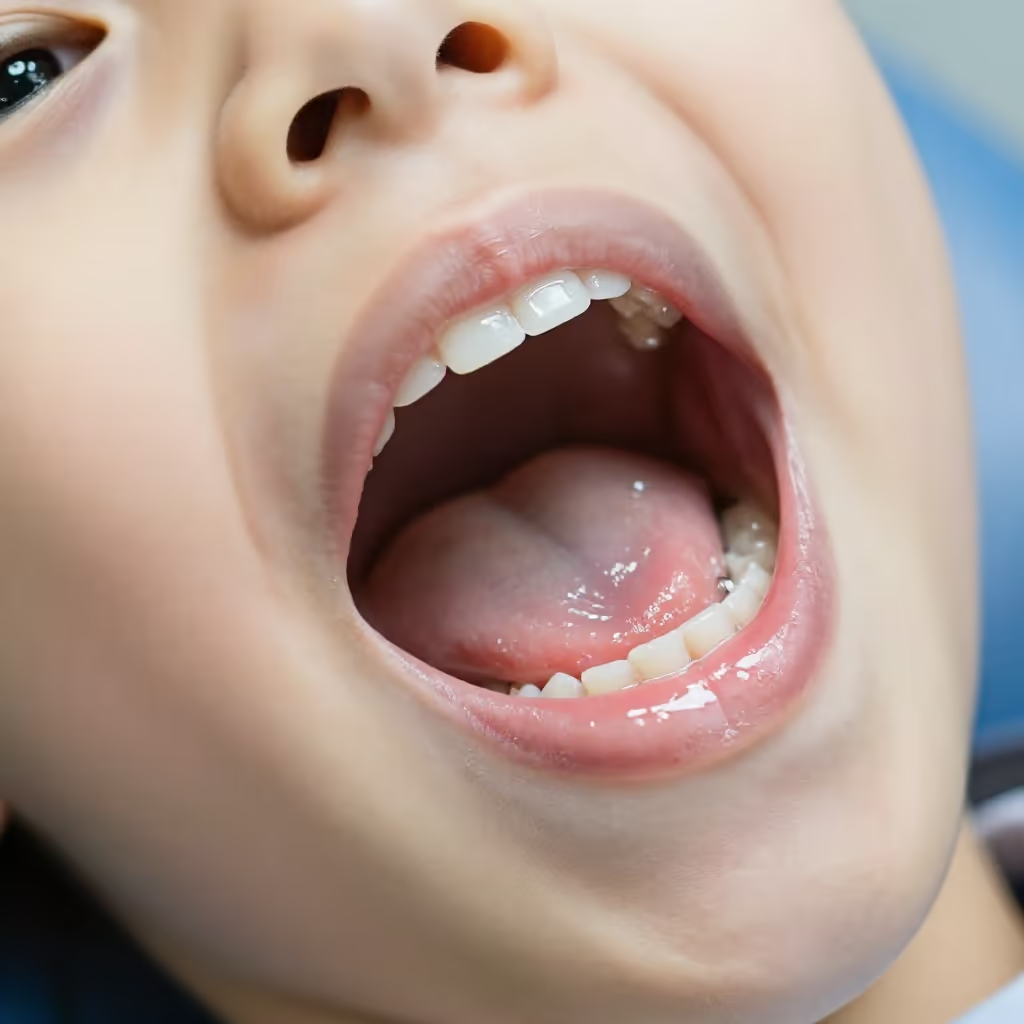
The clear fluid that is produced in the glands in the mouth. Saliva helps with the digestion of food and keeps the mouth moist.
example
Dem Hund lief beim Anblick des Futters der Speichel im Mund zusammen.
The dog's mouth watered at the sight of the food.
Usage tips
Uncountable noun
'Der Speichel' (saliva) is an uncountable noun (singulare tantum). It is used almost exclusively in the singular, since the fluid cannot be counted individually.
EXAMPLE
Zu wenig Speichel kann zu Problemen im Mund führen.
Too little saliva can lead to problems in the mouth.
Typical collocations
Common phrases are 'Speichel produzieren' (to produce saliva), 'Speichel schlucken' (to swallow saliva), or 'der Speichel fließt' (saliva flows). A well-known idiom is 'jemandem läuft der Speichel im Mund zusammen' (someone's mouth waters), used when someone has a strong appetite.
EXAMPLE
Beim Zahnarzt muss man oft den Speichel absaugen lassen.
At the dentist's, you often have to have saliva suctioned away.
Register
'Der Speichel' (saliva) is the neutral and medical technical term. It is used in factual, biological, or medical contexts.
EXAMPLE
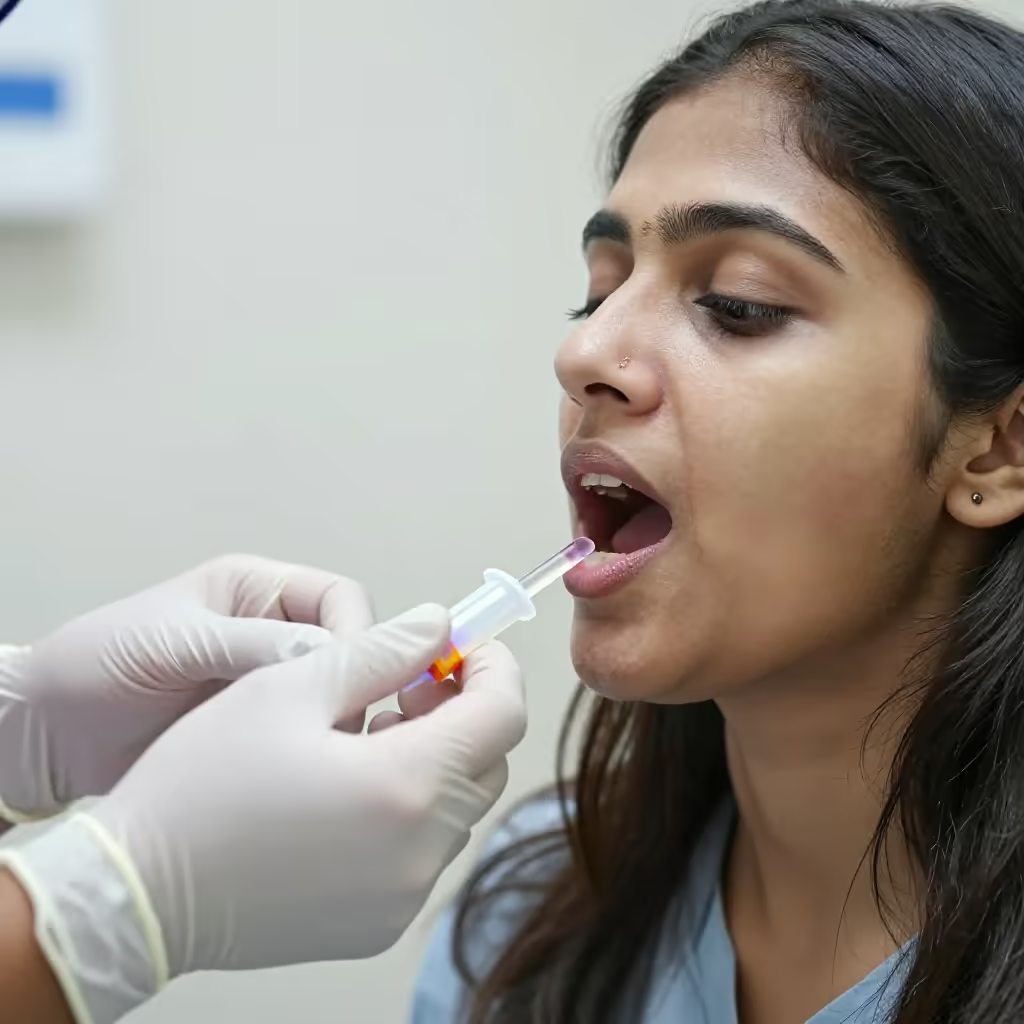
Der Arzt nahm eine Probe vom Speichel des Patienten.
The doctor took a sample of the patient's saliva.
Compare with
confusable
Speichel vs Schleim
mucus / slime
'der Schleim' and 'der Speichel' are both moist fluids from the body. They can be confused because they can occur in the mouth and throat area. 'Speichel' is the normal, rather clear fluid in the mouth. It is produced when eating, speaking, or swallowing. 'Schleim' is thicker and stickier. It occurs, for example, in the nose, throat, or lungs, especially when you have a cold. When talking about the mouth and digestion, 'Speichel' fits. When talking about coughing, a runny nose, or a thick mass, 'Schleim' fits.
Speichel
Der Speichel macht das Essen im Mund weich.
Saliva softens food in the mouth.
Schleim
Bei der Erkältung habe ich viel Schleim im Hals.
With this cold, I have a lot of mucus in my throat.