der Spieß
skewer
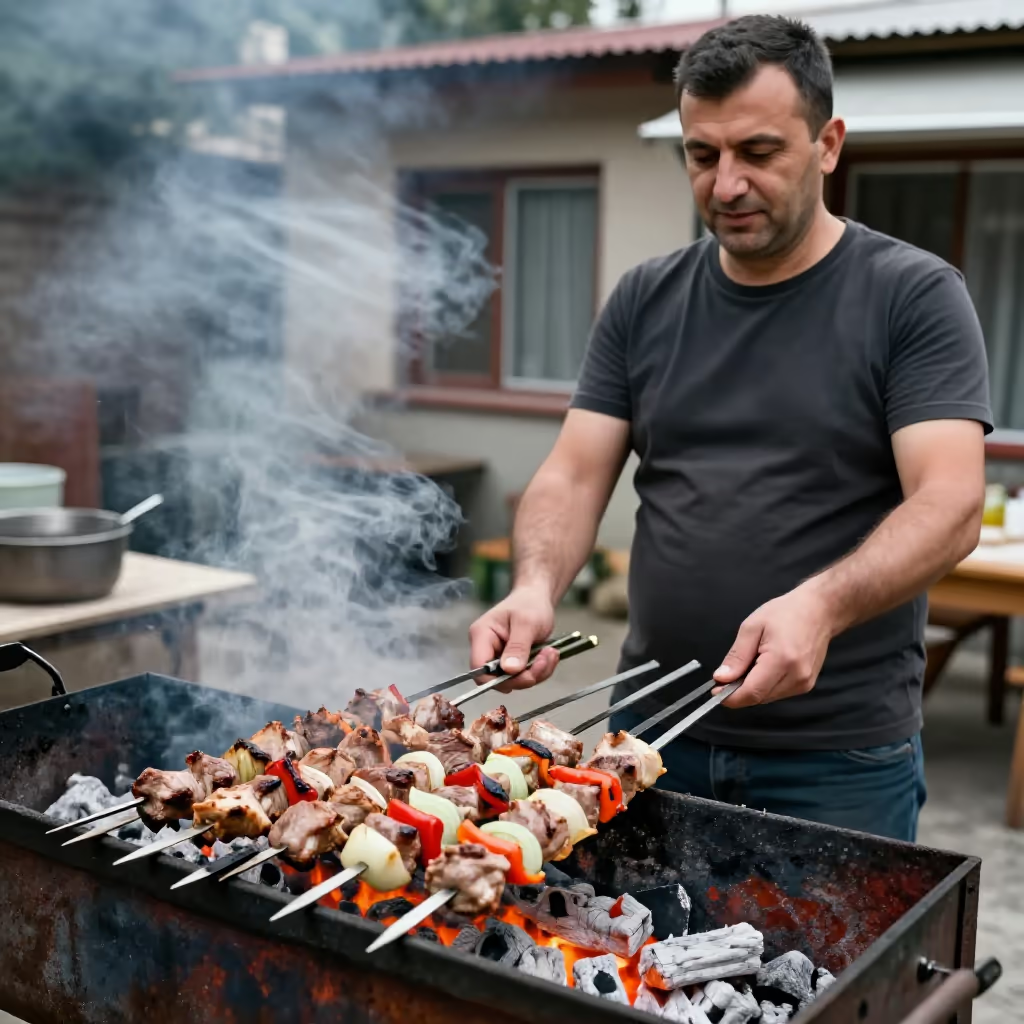
A long, thin rod made of metal or wood onto which meat or vegetables are put in order to grill or roast them.
Für das Barbecue haben wir leckere Fleischspieße vorbereitet.
For the barbecue, we prepared delicious meat skewers.
skewer / spear
Loading your saved state.

skewer
A long, thin rod made of metal or wood onto which meat or vegetables are put in order to grill or roast them.
Für das Barbecue haben wir leckere Fleischspieße vorbereitet.
For the barbecue, we prepared delicious meat skewers.

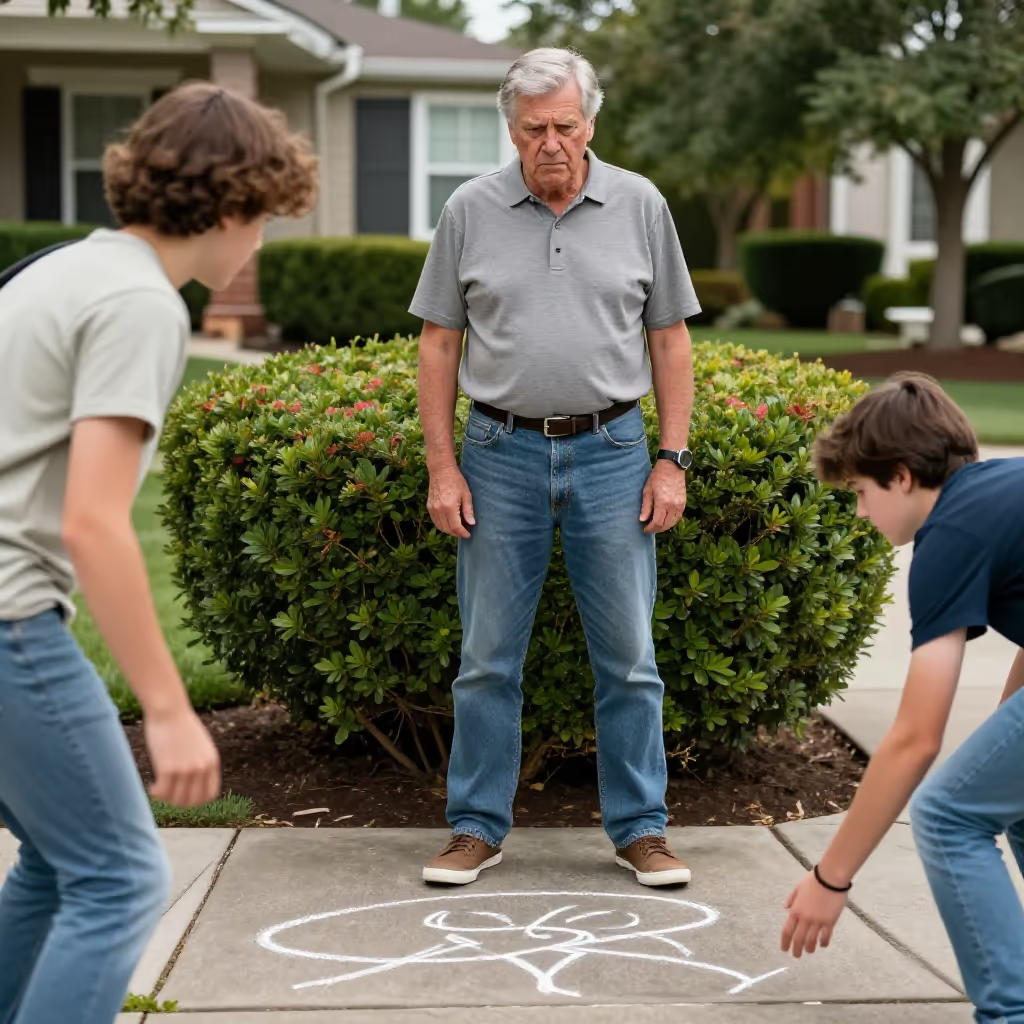
to turn the tables
An idiom meaning to turn a situation around and respond to an attack with a counterattack.
Im Interview drehte die Politikerin den Spieß um und stellte dem Journalisten kritische Fragen.
In the interview, the politician turned the tables and asked the journalist critical questions.

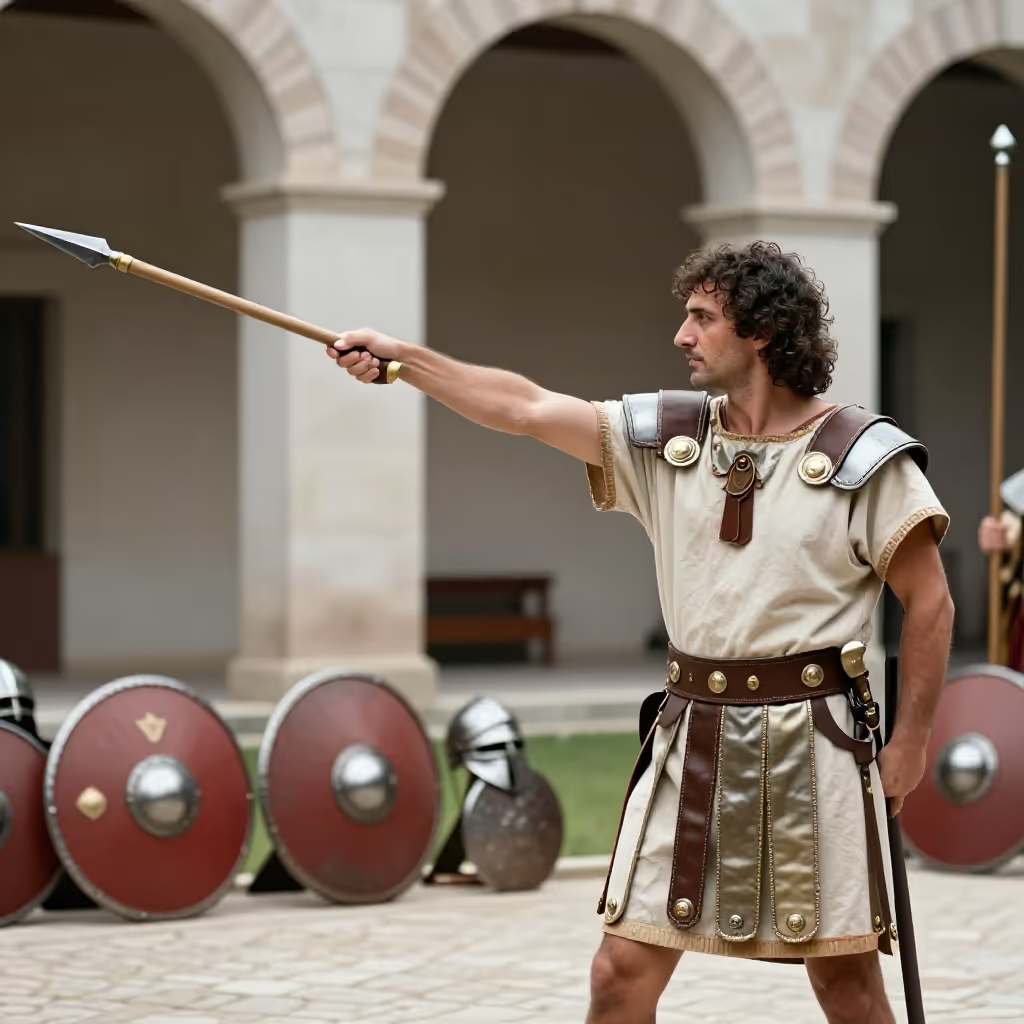
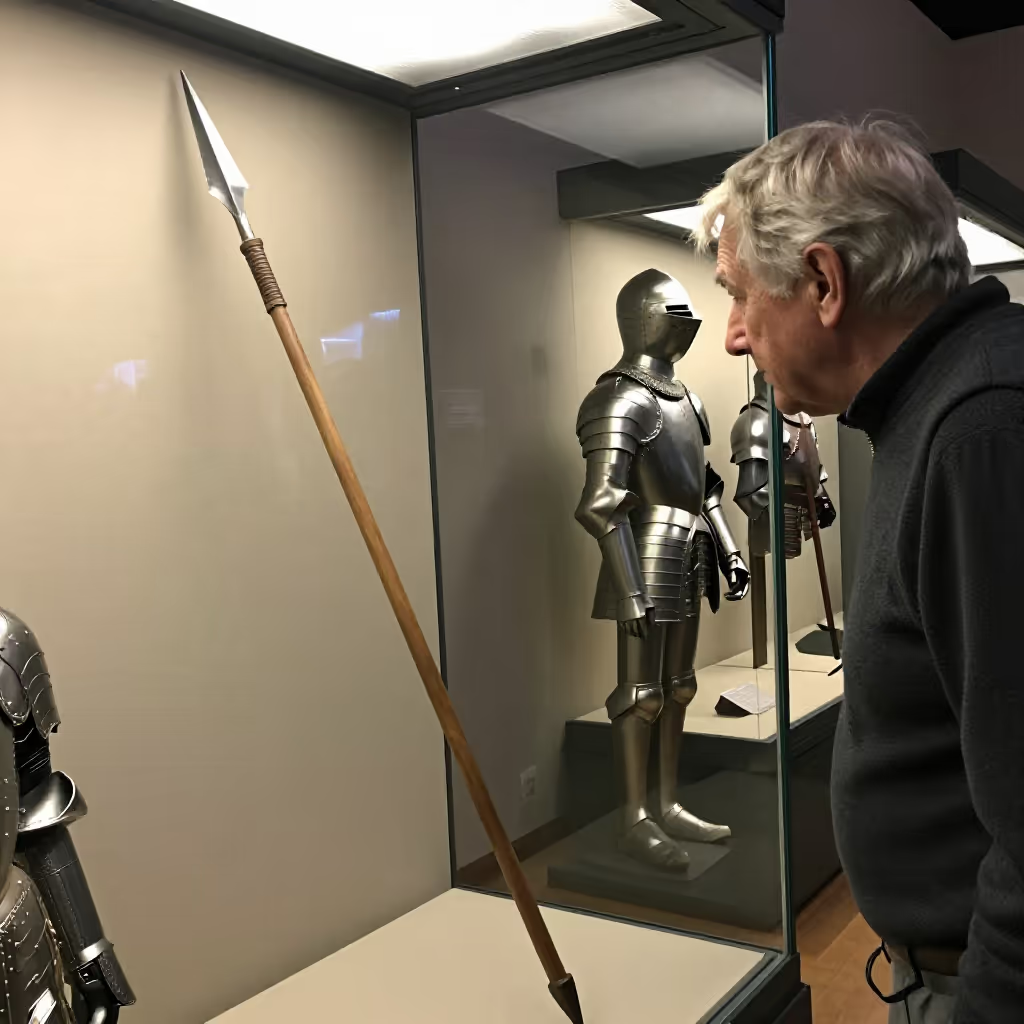
spear
A historical thrusting weapon with a long shaft and a metal point.
Die mittelalterlichen Soldaten waren mit langen Spießen bewaffnet.
The medieval soldiers were armed with long spears.

stick-in-the-mud
A colloquial, derogatory short form of 'Spießer' (bourgeois conformist); a narrow-minded, overly proper person.
Sei doch nicht so ein Spieß und komm mit auf die Party!
Don't be such a stick-in-the-mud and come to the party!
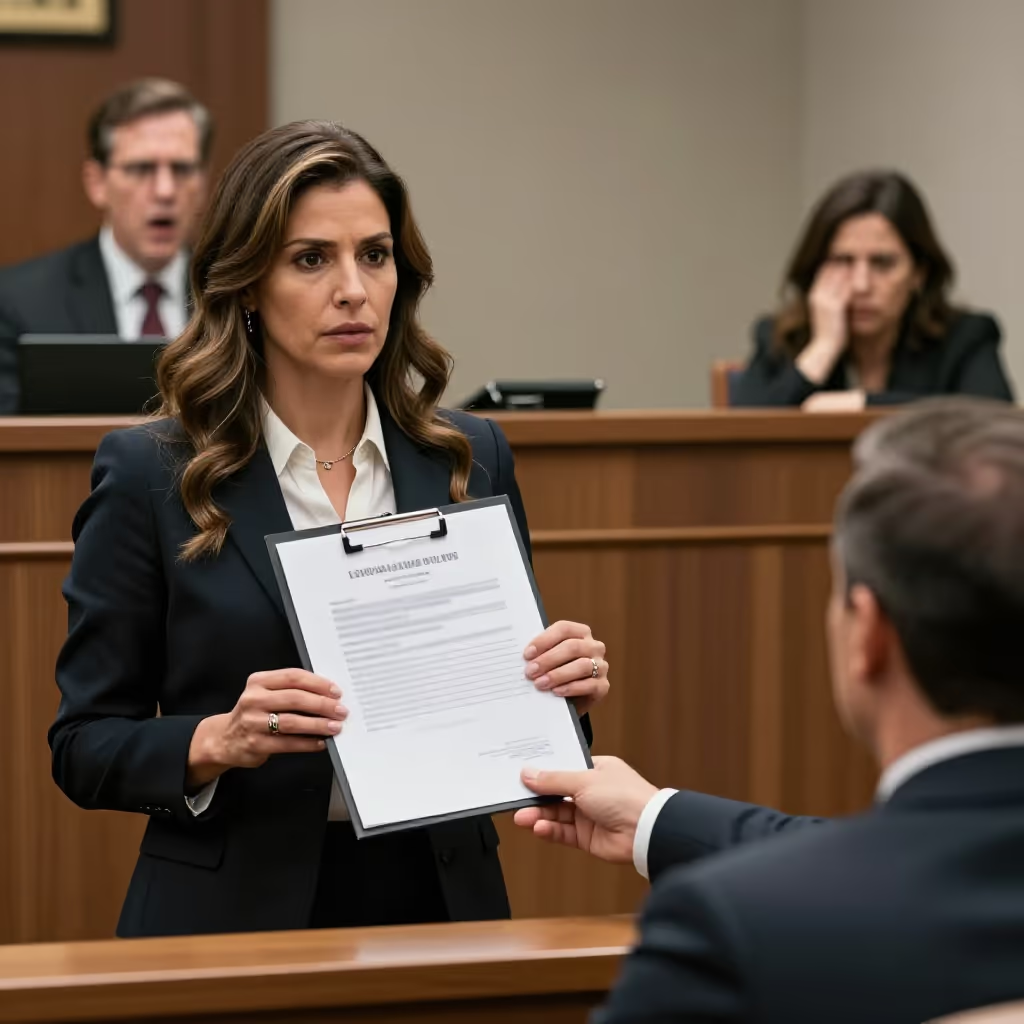
The idiom 'den Spieß umdrehen' (to turn the tables) is a fixed unit. The verb 'umdrehen' (to turn around) and the article 'den' are fixed components used to express the figurative meaning.
Der Angeklagte drehte den Spieß um und warf der Zeugin Lügen vor.
The defendant turned the tables and accused the witness of lying.
When 'Spieß' (stick-in-the-mud) describes a person, the term is colloquial and has a clearly negative, derogatory meaning. It is used to criticize narrow-mindedness.
Er regt sich über laute Musik auf, er ist halt ein echter Spieß.
He gets upset about loud music; he's just a real stick-in-the-mud.
The context makes clear which meaning is intended. Words like 'grillen' (to grill), 'Fleisch' (meat), or 'Gemüse' (vegetables) point to the cooking skewer. Words like 'Soldaten' (soldiers), 'Waffe' (weapon), or 'mittelalterlich' (medieval) indicate the historical weapon.
Steckst du bitte noch die Paprika auf den Spieß?
Could you please put the bell pepper on the skewer too?
In the kitchen or when grilling, people often talk about 'Fleischspieße' (meat skewers), 'Gemüsespieße' (vegetable skewers), or 'Grillspieße' (grill skewers). You can also put something 'auf einen Spieß stecken' (onto a skewer).
Die Gemüsespieße auf dem Grill sehen köstlich aus.
The vegetable skewers on the grill look delicious.
spear
Spieß and Speer are historical weapons with a long shaft and a point. A Spieß is a thrusting weapon and is used for thrusting. A Speer, on the other hand, can be both thrust and thrown; when it is thrown, only Speer is appropriate.

Der Kämpfer hält den langen Spieß zum Stoßen vor sich.
The fighter holds the long spear in front of him, ready to thrust.
Der Kämpfer wirft den Speer auf sein entferntes Ziel.
The fighter throws the spear at his distant target.