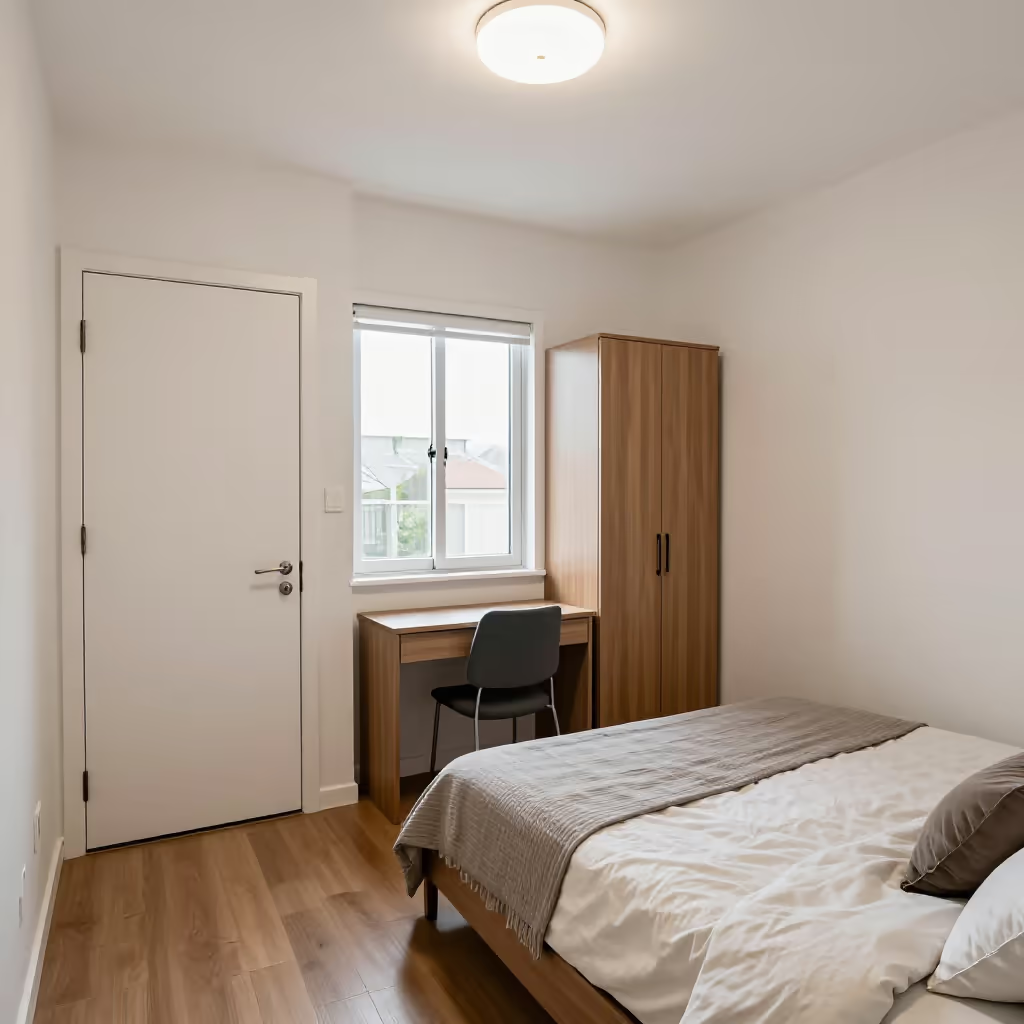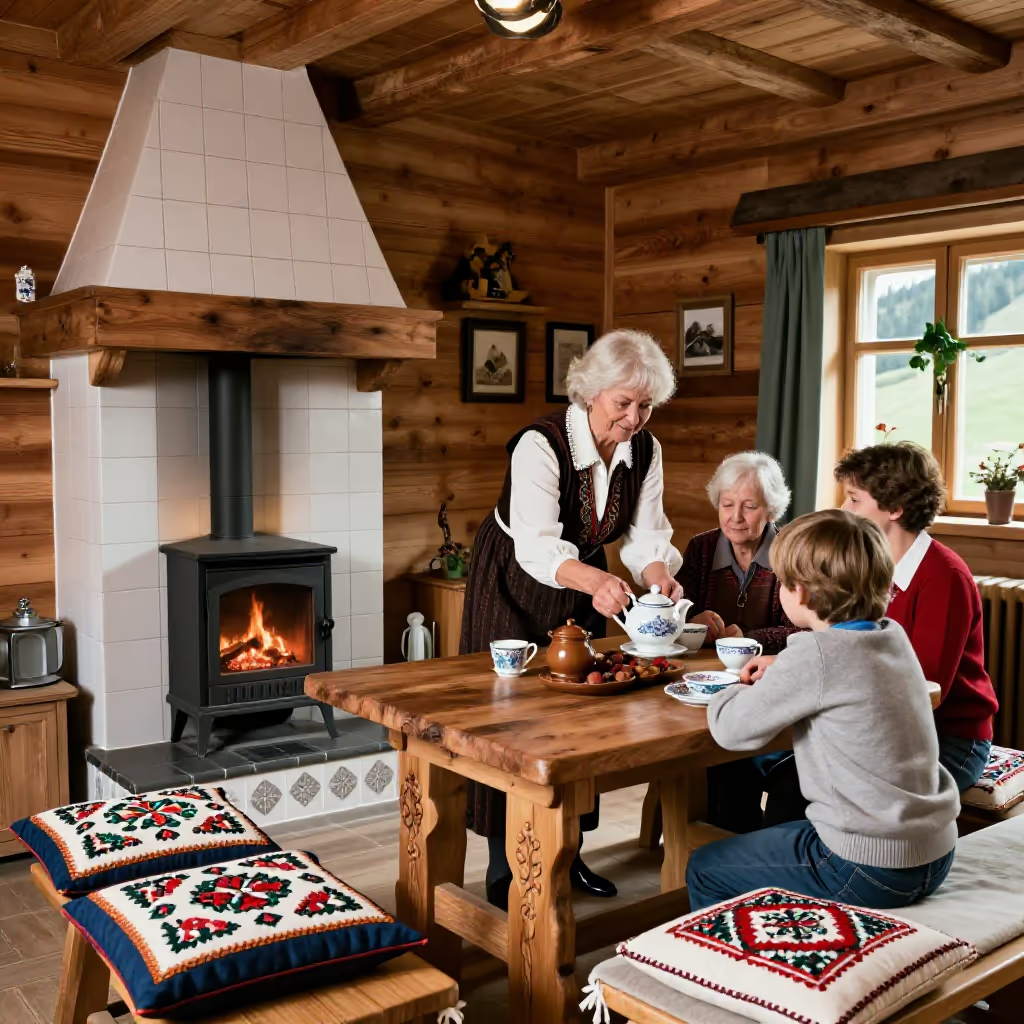
A living room, often in a traditional, cozy, or rural context. The term is used especially in southern Germany, Austria, and Switzerland.
example
Nach dem Skifahren saßen wir alle in der warmen Stube am Kachelofen.
After skiing, we all sat in the warm living room by the tiled stove.

Usage tips
Context clue
The context makes it clear which meaning of 'Stube' (living room/shared room) is meant. If people are talking about family, coziness, or a tiled stove, it means the living room. In connection with soldiers, a barracks, or a boarding school, it means the shared room.
EXAMPLE
Die ganze Familie saß abends in der gemütlichen Stube.
The whole family sat in the cozy living room in the evening.
Register and region
The word 'Stube' (living room) is often perceived as traditional or rural. It is used especially in southern Germany, Austria, and Switzerland.
EXAMPLE
In der Bauernstube stand ein großer Holztisch.
There was a large wooden table in the farmhouse living room.
Typical collocations
In a military or institutional context, there are fixed compounds such as 'Stubenarrest' (being confined to one's room as punishment) or 'Stubenkamerad' (roommate/bunkmate).
EXAMPLE
Wegen seines Verhaltens bekam der Rekrut drei Tage Stubenarrest.
Because of his behavior, the recruit got three days of confinement to quarters.
Compare with
near_synonym
Stube vs Raum
room / space
'der Raum' and 'die Stube' can both mean a room in a house. 'Raum' is neutral and very general; it can be any room or hall. 'Stube' usually means a living room or a cozy common room and sounds traditional, rural, or regional. The word is heard more often especially in southern Germany, Austria, and Switzerland. If you simply mean a room, 'Raum' is more natural. 'Stube' fits when you intentionally mean a cozy or traditional atmosphere.
Stube
Heute essen wir in der warmen Stube am großen Holztisch.
Today we are eating in the warm living room at the large wooden table.
Raum
Ist der Raum für das Bewerbungsgespräch schon frei?