

der Tee
tea
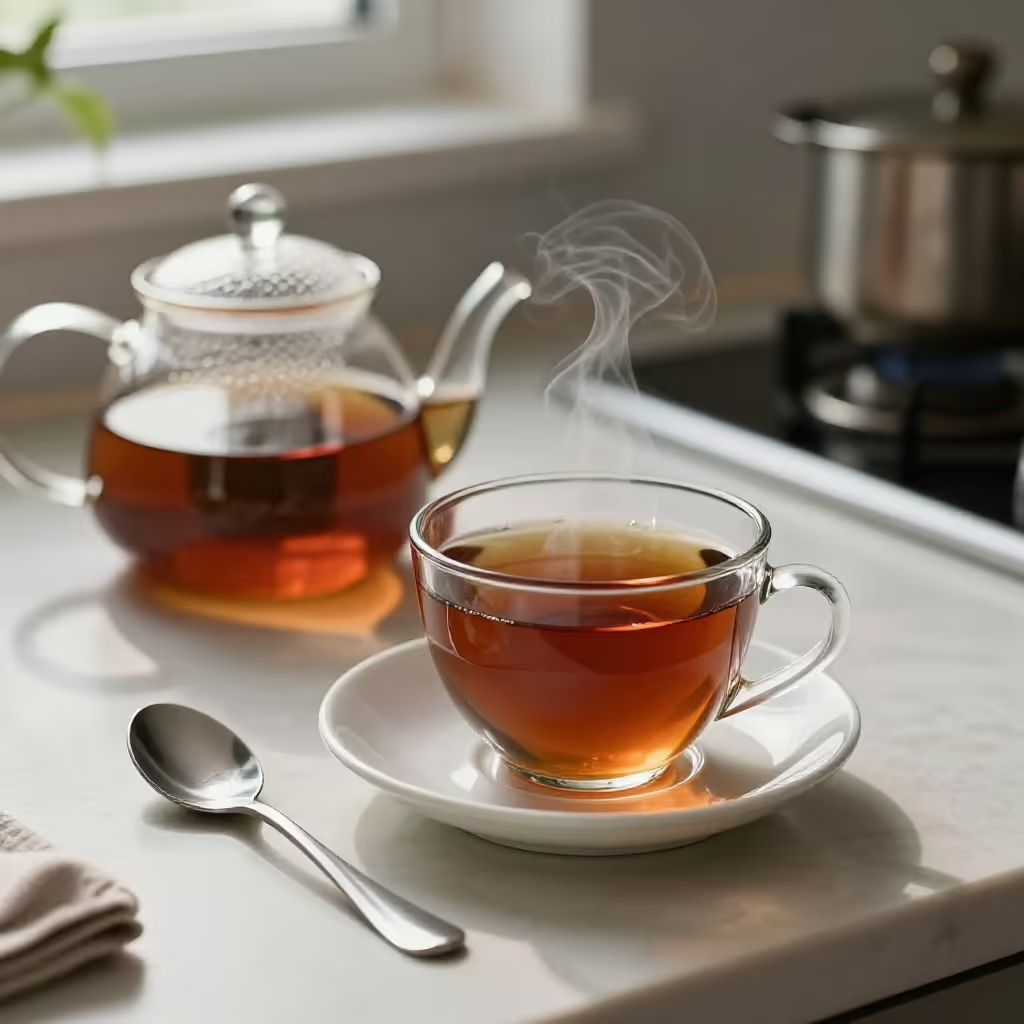
A hot drink prepared by pouring water over dried plant parts, usually tea leaves.
EXAMPLE
Möchtest du eine Tasse Tee zum Aufwärmen?
Would you like a cup of tea to warm up?
tea
Loading your saved state.
tea
A hot drink prepared by pouring water over dried plant parts, usually tea leaves.
Möchtest du eine Tasse Tee zum Aufwärmen?
Would you like a cup of tea to warm up?
tea
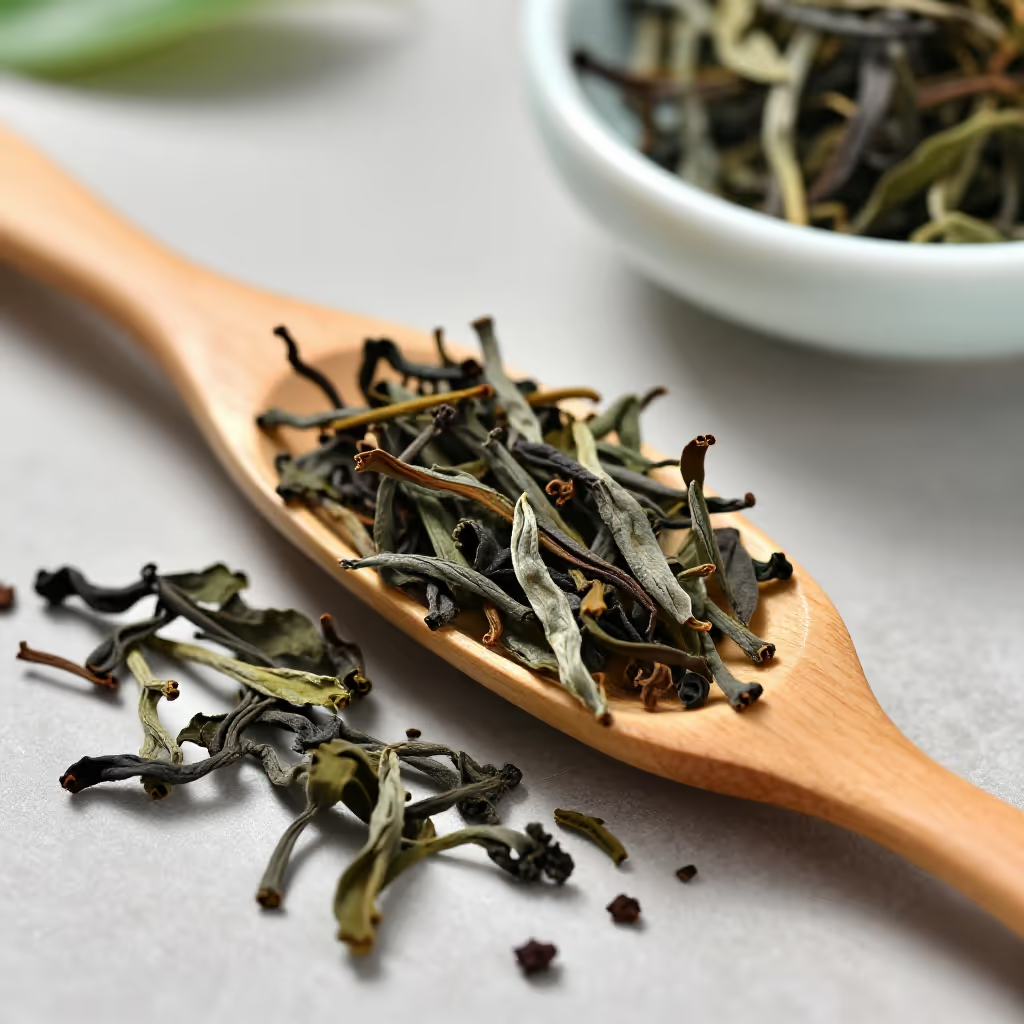
The dried leaves of the tea plant or other plants that are used to prepare the drink.
Ich habe einen neuen Tee aus Japan mitgebracht, den müssen wir probieren.
I brought a new tea from Japan; we have to try it.
tea
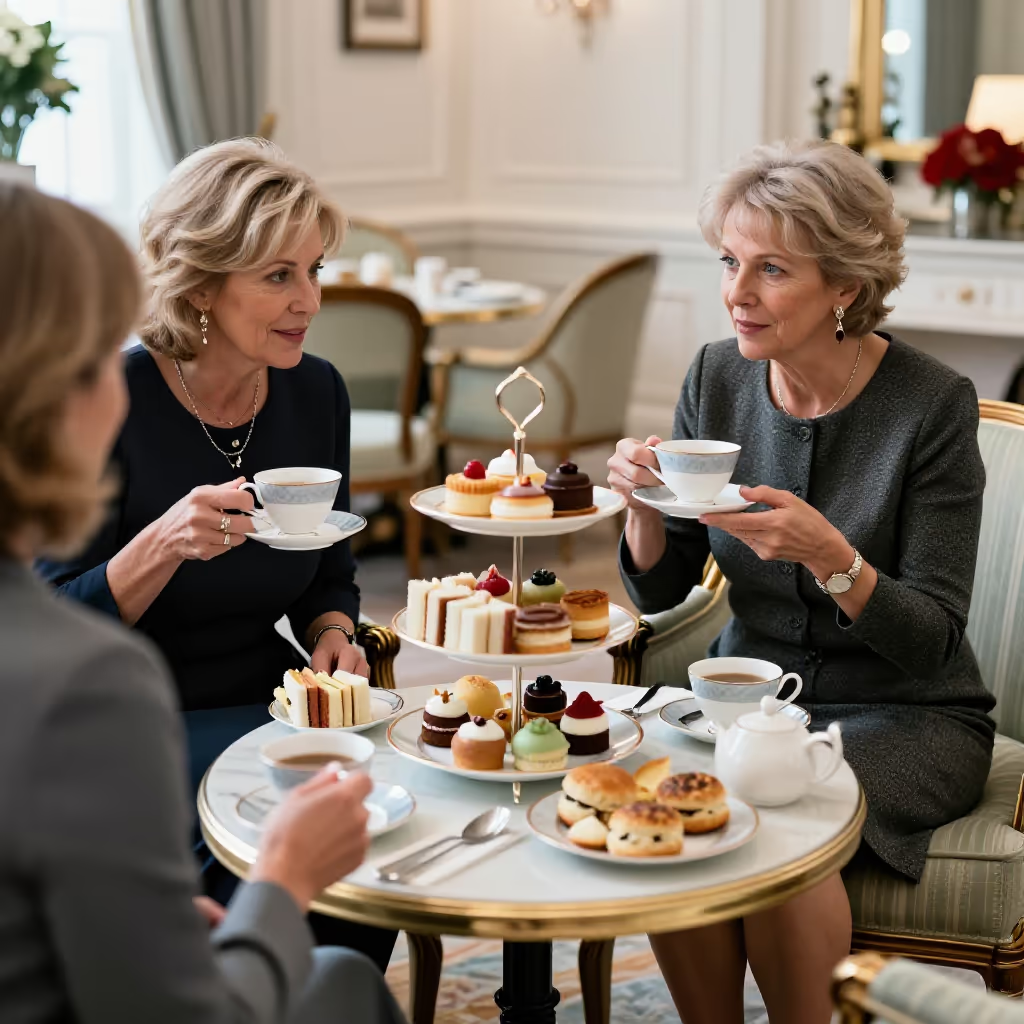
A social event in the afternoon at which tea and small dishes are served. This meaning is more common in British culture.
Die Königin lud zum Tee in den Palastgarten ein.
The queen invited guests to tea in the palace garden.
'Tee' (tea) is a very productive base word for many compounds in German. Examples include 'Teebeutel' (tea bag), 'Teekanne' (teapot), 'Eistee' (iced tea), or names for varieties such as 'Früchtetee' (fruit tea) and 'Kräutertee' (herbal tea).
Für den kalten Tee brauchst du eine Teekanne und viele Eiswürfel.
For the cold tea, you need a teapot and lots of ice cubes.
In German, people very often say 'Tee kochen' (to make tea; literally: to cook/boil tea), even though you actually only boil the water and pour it over the tea. This phrasing is completely normal and widespread.
Ich koche uns schnell einen Tee, dann wird uns wieder warm.
I'll quickly make us some tea, then we'll warm up again.
The context makes it clear whether the drink (m01) or the dry leaves (m02) are meant. Phrases such as 'eine Tasse Tee' (a cup of tea) refer to the drink, while 'eine Packung Tee' (a package of tea) means the leaves.
Kannst du mir bitte eine Tasse Tee bringen?
Can you please bring me a cup of tea?
The meaning of 'Tee' (tea) as a social event is rare in German. It is used almost exclusively to refer to cultural customs abroad, especially in Great Britain.
In England wird der Nachmittagstee traditionell um 17 Uhr serviert.
In England, afternoon tea is traditionally served at 5 p.m.
iced tea
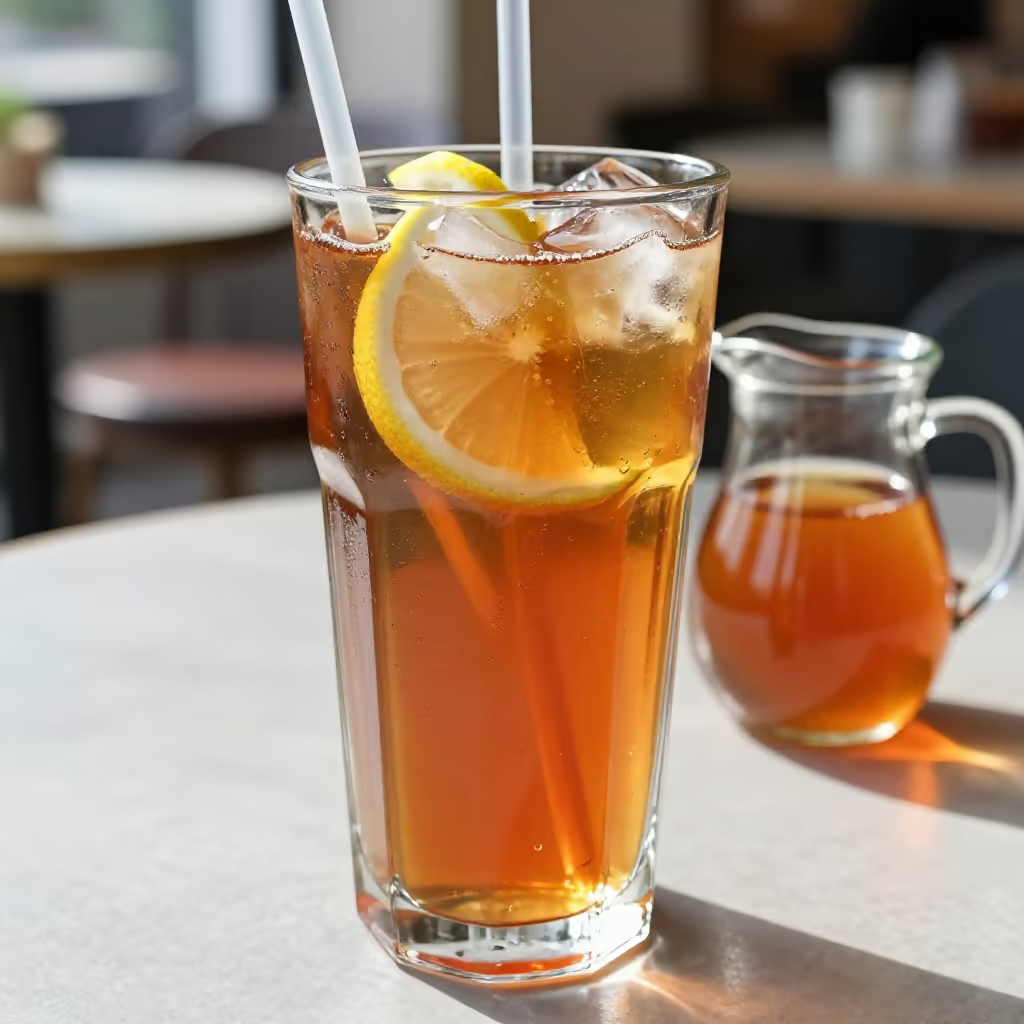
“Der Tee” refers here to the hot drink made by pouring water over dried plant parts. “Der Eistee,” by contrast, specifically refers to a cold tea drink that is often sweetened and flavored. If you are ordering a hot drink, say “Tee”; if you want it cold, say “Eistee.”
Im Café bestellte sie einen heißen Tee mit Zitrone.
At the café, she ordered a hot tea with lemon.
Im Café bestellte sie einen kalten Eistee mit Zitrone.
At the café, she ordered a cold iced tea with lemon.