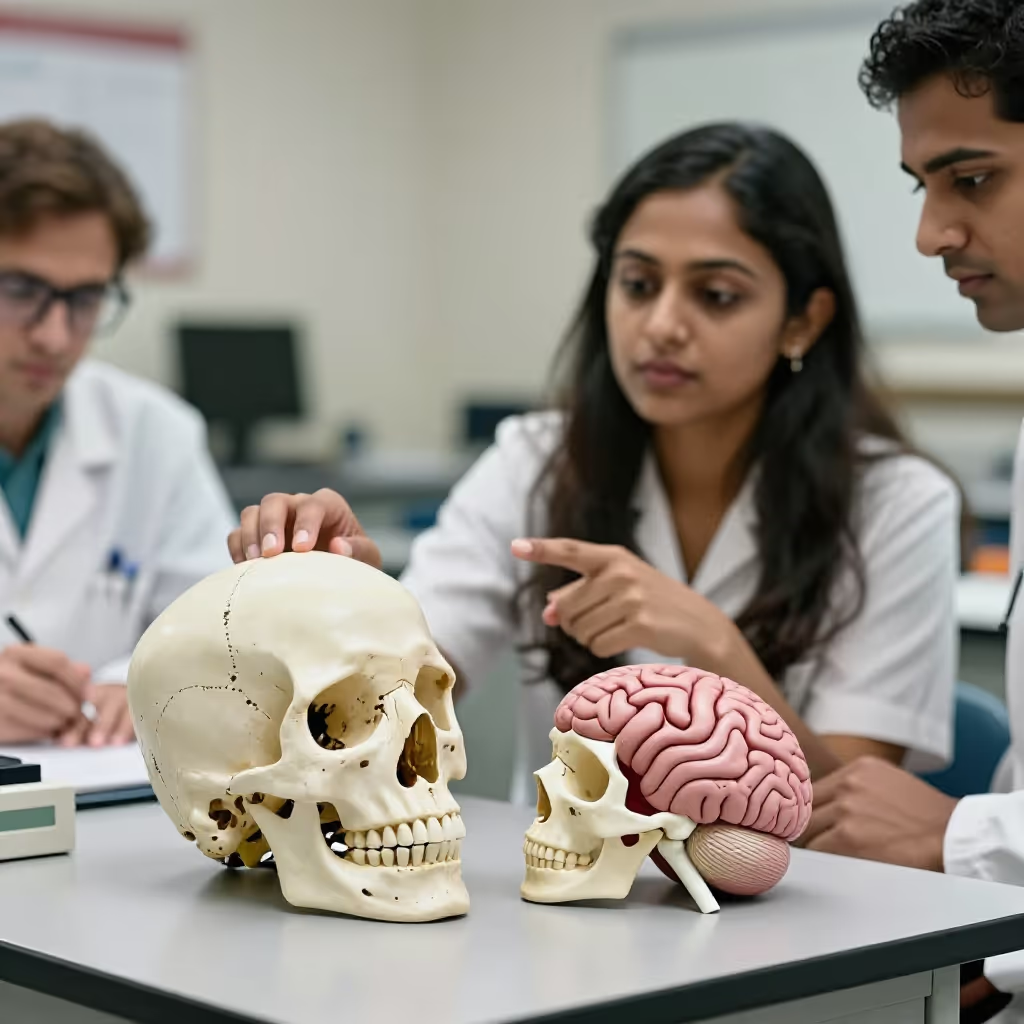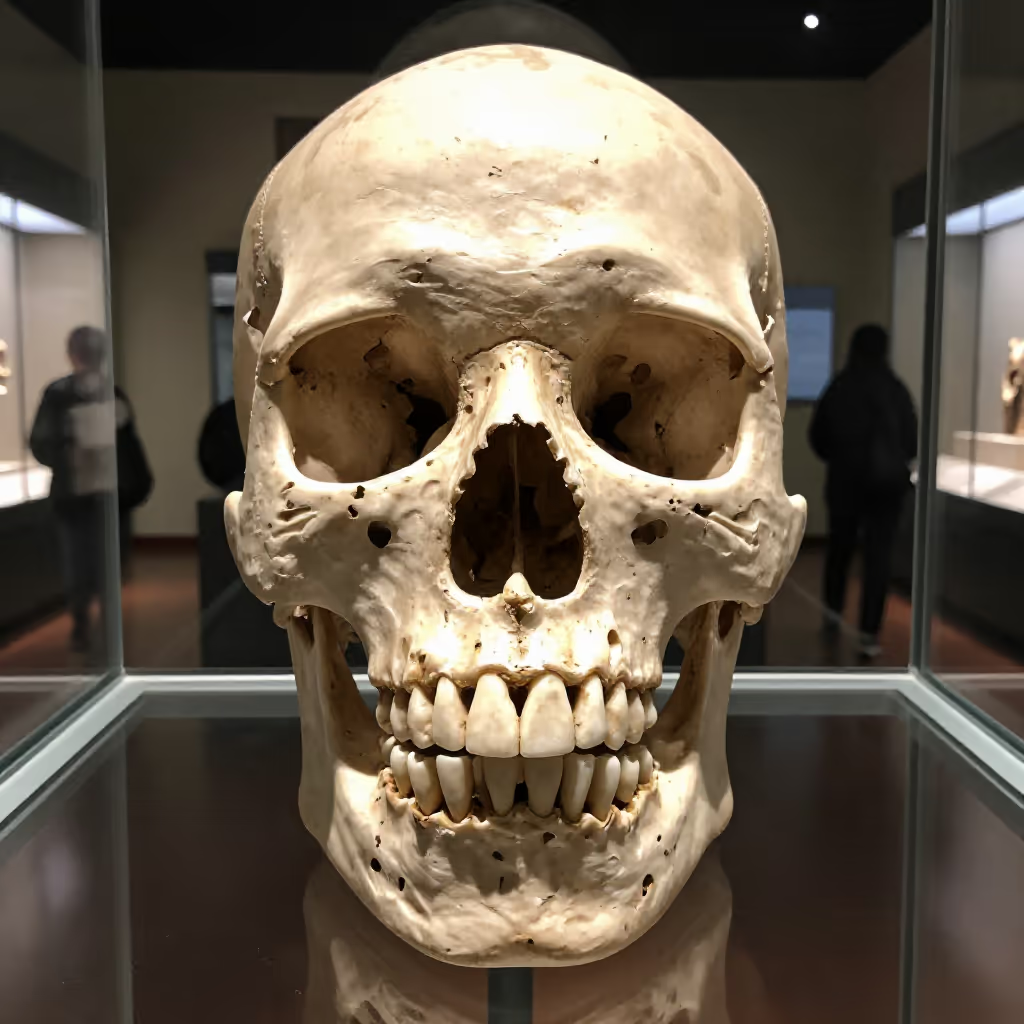
The bony skull of a deceased human or animal. It is often used as a symbol of death, danger, or piracy.
example
Auf der alten Piratenflagge war ein Totenkopf mit gekreuzten Knochen abgebildet.
A skull with crossed bones was shown on the old pirate flag.

Usage tips
Compound word
The word is a direct compound of 'Toten' (genitive of 'die Toten', the dead) and 'Kopf' (head). So it literally means the 'head of a dead person.'
EXAMPLE
Archäologen fanden bei der Ausgrabung einen alten Totenkopf.
Archaeologists found an old skull during the excavation.
Typical collocations
In its symbolic meaning, the Totenkopf is often mentioned together with 'gekreuzten Knochen' (crossed bones). It is often found on flags, warning signs, or as a symbol in the Gothic scene.
EXAMPLE
Das Warnschild für Giftstoffe zeigt einen Totenkopf.
The warning sign for toxic substances shows a skull.
Context clue
Whether the skull (m01) or the moth (m02) is meant becomes clear from the context. If people are talking about biology, insects, or nature, the moth is probably meant. In contexts such as piracy, danger, or death, it refers to the skull.
EXAMPLE
Der Biologe erklärte die Besonderheiten des Nachtfalters, der auch Totenkopf genannt wird.
The biologist explained the special features of the moth, which is also called a death's-head moth.
Compare with
confusable
Totenkopf vs Kopf
head
'der Kopf' and 'der Totenkopf' look similar, but they do not mean the same thing. 'Kopf' is the normal upper part of the body of a living person or animal. 'Totenkopf' refers to the bony skull of a dead person or animal, or to a symbol of it. You might see a skull, for example, on warning signs or pirate flags. Learners may confuse the words because of the shared word part 'Kopf'. The important point is: a living person has a Kopf; a Totenkopf stands for a skull, death, or danger.
Totenkopf
Auf der Flasche ist ein Totenkopf als Warnzeichen zu sehen.
A skull can be seen on the bottle as a warning symbol.
Kopf
Im Zug legt das Kind den Kopf an die Fensterscheibe.
On the train, the child rests their head against the windowpane.