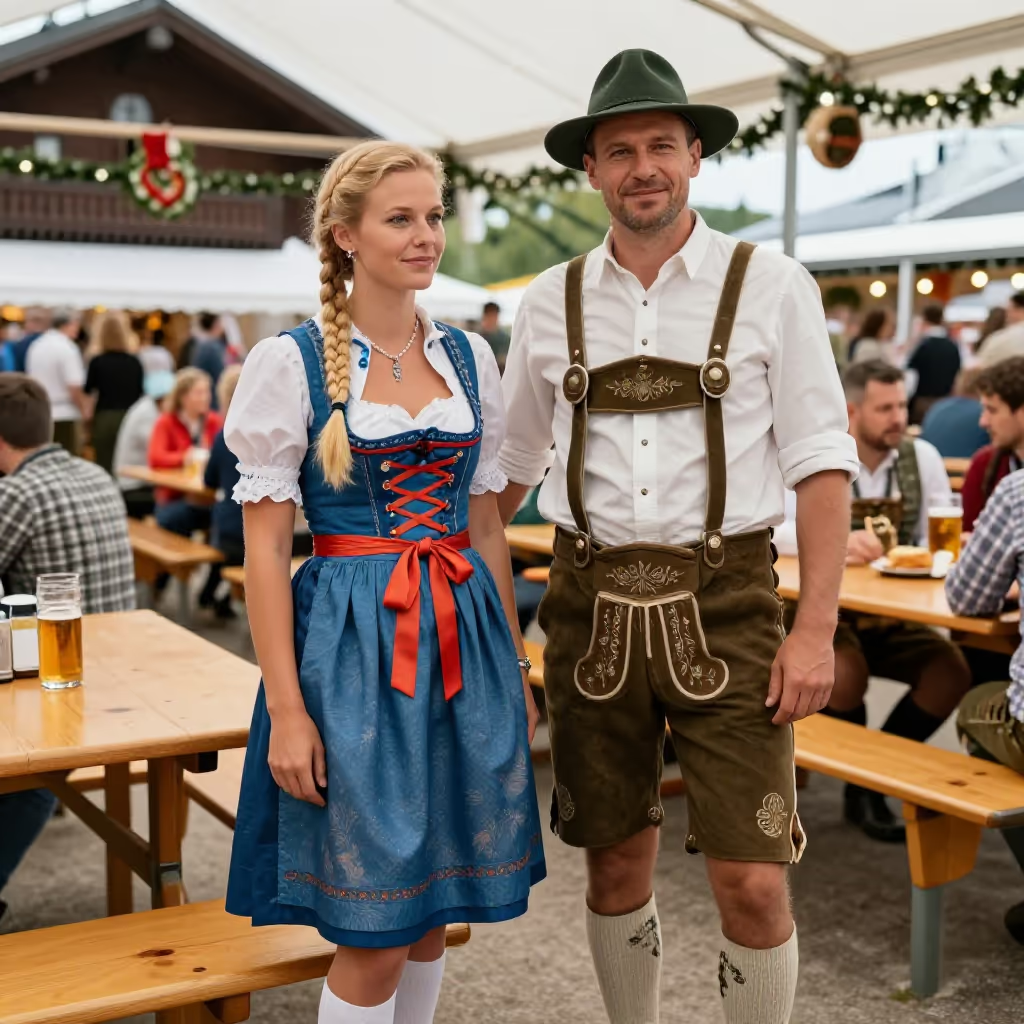
Traditional clothing that is characteristic of a particular region, ethnic group, or profession. It is often worn on festive occasions.
example
Zum Oktoberfest tragen viele Besucher bayerische Tracht.
For Oktoberfest, many visitors wear Bavarian traditional costume.
Usage tips
Word family
The word 'Tracht' is closely related to the verb 'tragen' (to carry, to wear). This connection explains several meanings: the clothing one wears, the load one carries, and even the food that bees carry into the hive.
EXAMPLE
Die traditionelle Tracht wird von Generation zu Generation weitergegeben.
The traditional costume is passed down from generation to generation.
Context clue: clothing
When 'Tracht' appears in connection with festivals like Oktoberfest, regions like Bavaria, or words like 'traditionell' (traditional), it always means traditional clothing.
EXAMPLE
In Bayern sieht man zu festlichen Anlässen viele Menschen in Tracht.
In Bavaria, you see many people in traditional costume on festive occasions.
Context clue: beekeeping
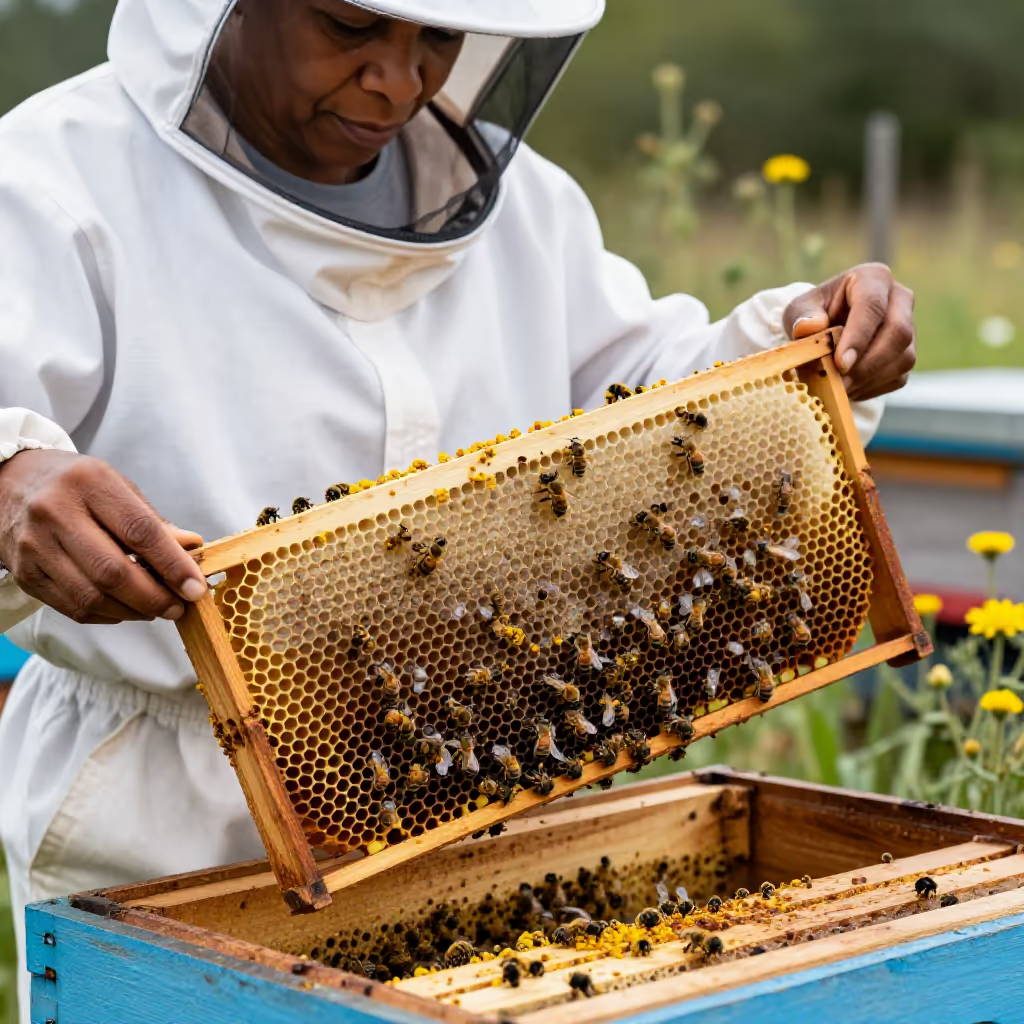
In texts about bees, honey, or beekeeping, 'Tracht' refers to the food collected by bees. Watch for words like 'Biene' (bee), 'Imker' (beekeeper), or 'Nektar' (nectar).
EXAMPLE
Die Imkerin freut sich über die gute Tracht in diesem Frühling.
The beekeeper is happy about the good forage this spring.
Register: hunting terminology
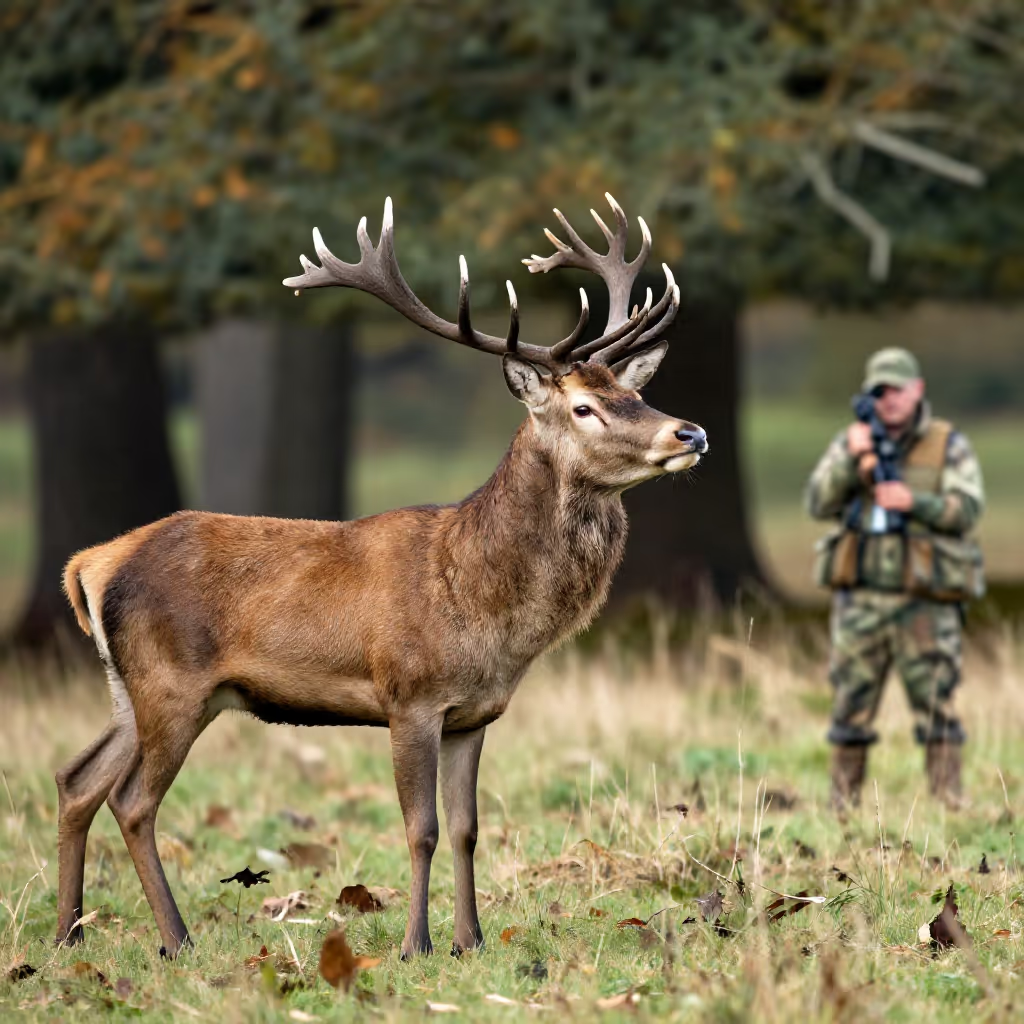
The meaning 'Haltung eines Tieres' (posture or bearing of an animal) belongs to the specialized language of hunters (hunting terminology) and is not used in normal everyday speech.
EXAMPLE
An der Tracht des Hauptes erkannte der Jäger das Alter des Rehbocks.
The hunter recognized the age of the roebuck by the bearing of its head.
Register: outdated
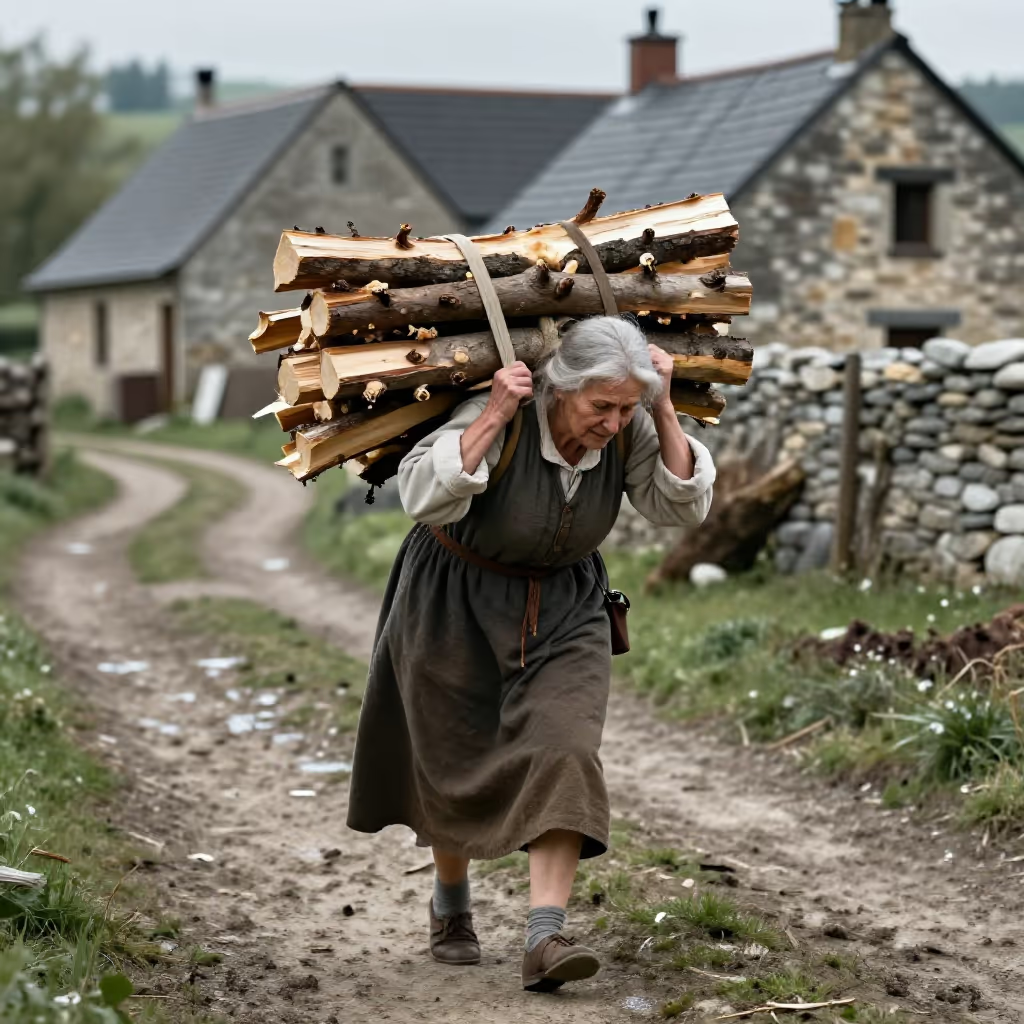
The meaning 'Last' (load) is outdated. Today, it is found almost only in historical or literary texts.
EXAMPLE
Früher brachten die Maultiere ihre schwere Tracht vom Berg ins Tal.
In the past, the mules brought their heavy load from the mountain down into the valley.
Compare with
near_synonym · confusable
Tracht vs Haltung
posture / attitude
'Haltung' and 'Tracht' can both describe, in a very specific sense, how a body or body part is held. 'Haltung' is the normal word for the posture of people or animals. In this meaning, 'Tracht' refers to the position or carriage of the head or other body parts in wild animals and belongs to hunting terminology. In everyday language, 'Tracht' usually means traditional clothing, so the word can easily be misunderstood. In normal situations, you almost always say 'Haltung'. 'Tracht' only fits in a technical context about wild animals.
Tracht
Der Jäger erkannte das Tier an der besonderen Tracht des Kopfes.
The hunter recognized the animal by the distinctive carriage of its head.
Haltung
Nach langem Sitzen achtet Lisa im Büro bewusst auf ihre Haltung.
After sitting for a long time, Lisa consciously pays attention to her posture at the office.