

trist
dreary
Bleak, dreary, and without variety or anything enjoyable.
EXAMPLE
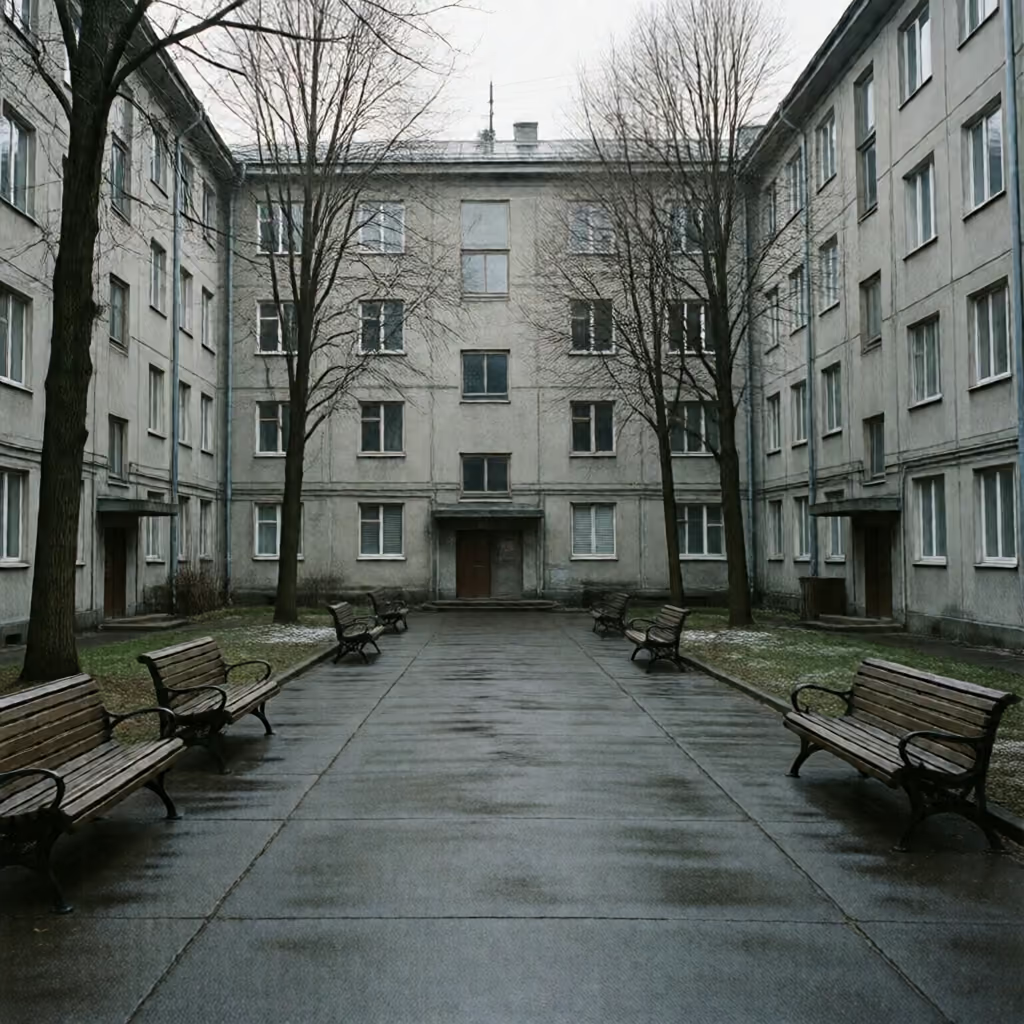
Die grauen Wohnblocks und die kahlen Innenhöfe wirkten trist.
The gray apartment blocks and bare courtyards looked dreary.
dreary / sad
trist – trister – am tristesten
Loading your saved state.
dreary
Bleak, dreary, and without variety or anything enjoyable.
Die grauen Wohnblocks und die kahlen Innenhöfe wirkten trist.
The gray apartment blocks and bare courtyards looked dreary.
joyless
Sad and lacking joy; characterized by a depressed mood.
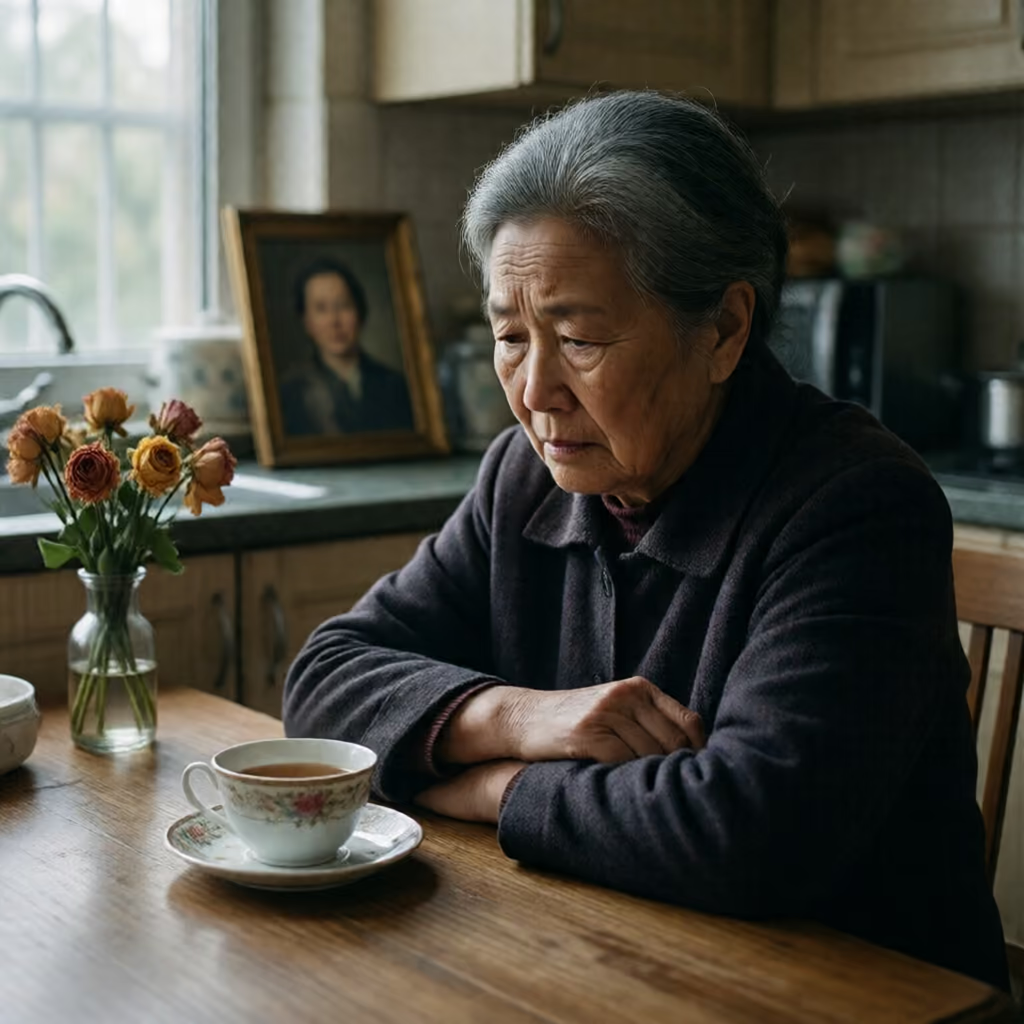
Nach dem Tod ihres Freundes verbrachte sie triste Tage voller Trauer.
After her friend’s death, she spent joyless days filled with grief.
| basic form | trist |
|---|---|
| comparative | trister |
| superlative | am tristesten |
| masc. | fem. | neut. | plural | |
|---|---|---|---|---|
| nom. | -e | -e | -e | -en |
| acc. | -en | -e | -e | -en |
| dat. | -en | -en | -en | -en |
| gen. | -en | -en | -en | -en |
Add the ending to trist.
| masc. | fem. | neut. | plural | |
|---|---|---|---|---|
| nom. | -er | -e | -es | -en |
| acc. | -en | -e | -es | -en |
| dat. | -en | -en | -en | -en |
| gen. | -en | -en | -en | -en |
Add the ending to trist.
| masc. | fem. | neut. | plural | |
|---|---|---|---|---|
| nom. | -er | -e | -es | -e |
| acc. | -en | -e | -es | -e |
| dat. | -em | -er | -em | -en |
| gen. | -en | -er | -en | -er |
Add the ending to trist.
With “trist” (dreary / sad), the words it describes often show which meaning is intended: nouns for places, rooms, or landscapes refer to a joyless environment; nouns for feelings, days, or moods refer to a depressing inner situation.
Der triste Bahnhof lag an einer verlassenen Straße.
The dreary train station stood on an abandoned street.
Nach dem Streit herrschte eine triste Stimmung im Büro.
After the argument, there was a sad mood in the office.
When describing a joyless environment, “trist” (dreary) often occurs with words such as “der Alltag” (everyday life), “die Landschaft” (landscape), “die Umgebung” (surroundings), “das Wohnviertel” (residential neighborhood), or “die Aussicht” (view).
Der triste Alltag in dem abgelegenen Dorf ließ ihn schnell ermüden.
The dreary everyday life in the remote village quickly exhausted him.
When referring to a depressing mood, “trist” (joyless) often combines with words such as “die Stimmung” (mood), “die Tage” (days), “die Gedanken” (thoughts), or “die Erinnerung” (memory).
Sie verbrachte einige triste Tage allein in ihrer Wohnung.
She spent several joyless days alone in her apartment.