

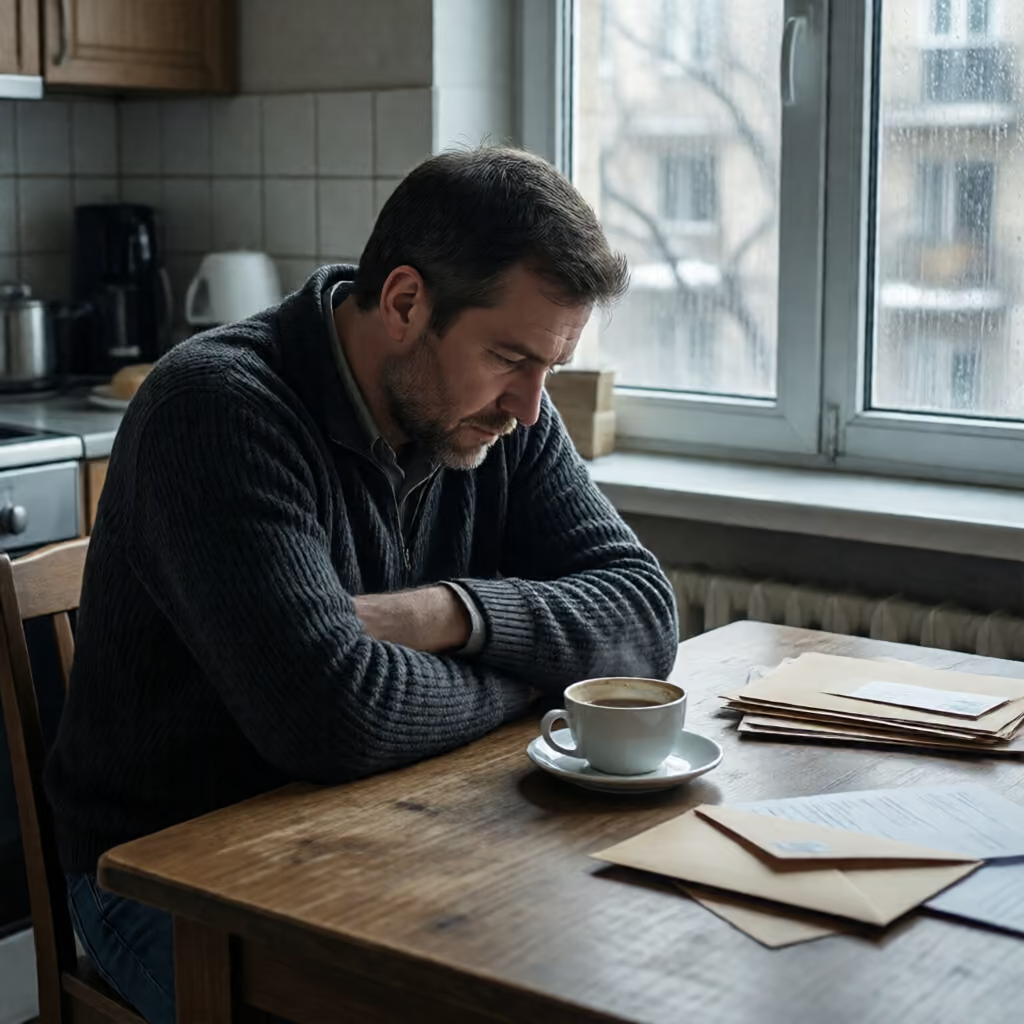
trostlos
bleak
Without hope, joy, or the prospect of a better future; very sad and depressing.
EXAMPLE
Nach dem Verlust seiner Arbeit führte er ein trostloses Leben.
After losing his job, he led a bleak life.
bleak / desolate
trostlos – trostloser – am trostlosesten
Loading your saved state.
bleak
Without hope, joy, or the prospect of a better future; very sad and depressing.
Nach dem Verlust seiner Arbeit führte er ein trostloses Leben.
After losing his job, he led a bleak life.
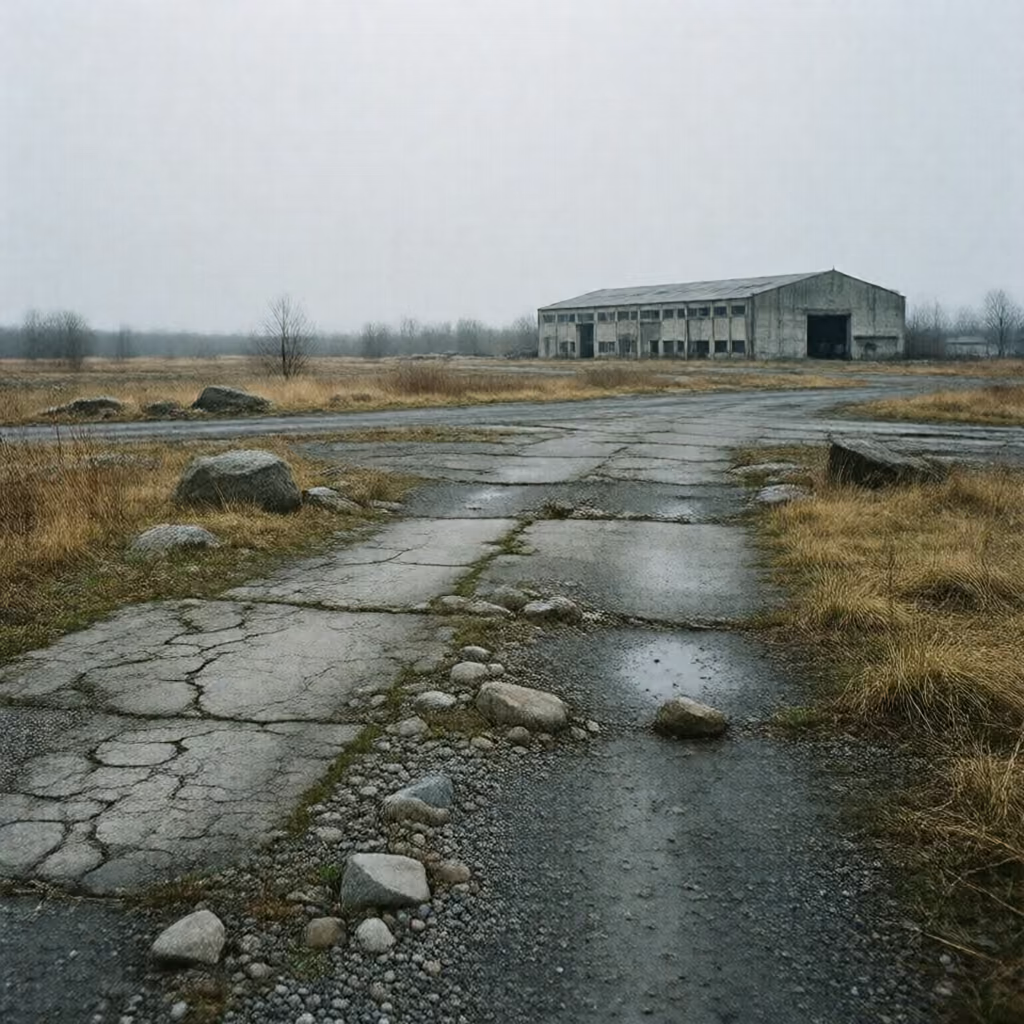
desolate
Dreary, empty, and unattractive, giving a place a deserted or depressing impression.
Die trostlose Landschaft bestand nur aus grauen Felsen und vertrocknetem Gras.
The desolate landscape consisted only of gray rocks and withered grass.
| basic form | trostlos |
|---|---|
| comparative | trostloser |
| superlative | am trostlosesten |
| masc. | fem. | neut. | plural | |
|---|---|---|---|---|
| nom. | -e | -e | -e | -en |
| acc. | -en | -e | -e | -en |
| dat. | -en | -en | -en | -en |
| gen. | -en | -en | -en | -en |
Add the ending to trostlos.
| masc. | fem. | neut. | plural | |
|---|---|---|---|---|
| nom. | -er | -e | -es | -en |
| acc. | -en | -e | -es | -en |
| dat. | -en | -en | -en | -en |
| gen. | -en | -en | -en | -en |
Add the ending to trostlos.
| masc. | fem. | neut. | plural | |
|---|---|---|---|---|
| nom. | -er | -e | -es | -e |
| acc. | -en | -e | -es | -e |
| dat. | -em | -er | -em | -en |
| gen. | -en | -er | -en | -er |
Add the ending to trostlos.
'Trostlos' (bleak / desolate) consists of 'Trost' (comfort) and the ending '-los' (without). This ending expresses that something is missing; in this case, comfort, which helps with grief or worries, is missing.
Nach dem Tod ihres besten Freundes fühlte sie sich einsam und trostlos.
After the death of her best friend, she felt lonely and desolate.
Common collocations include 'eine trostlose Lage' (a bleak situation), 'ein trostloser Alltag' (a bleak daily life), and 'eine trostlose Zukunft' (a bleak future). 'Trostlos' is used here to evaluate the entire situation very negatively.
Ohne Arbeit und ohne Freunde erschien ihm die Zukunft trostlos.
Without a job or friends, the future seemed bleak to him.
When referring to places, 'trostlos' (desolate) is often used with 'wirken' (to seem) or 'aussehen' (to look). It describes the personal impression made by an area, a square, or a building, for example.
Mit den geschlossenen Geschäften und den leeren Häusern wirkte die Straße trostlos.
With the shops closed and the houses empty, the street looked desolate.