


unlösbar
unsolvable
So difficult or complicated that there is no solution or no one can find a solution.
EXAMPLE
Das Rätsel war selbst für die Experten unlösbar.
The riddle was unsolvable even for the experts.
unsolvable / inseparable
unlösbar – unlösbarer – am unlösbarsten
Loading your saved state.
unsolvable
So difficult or complicated that there is no solution or no one can find a solution.
Das Rätsel war selbst für die Experten unlösbar.
The riddle was unsolvable even for the experts.
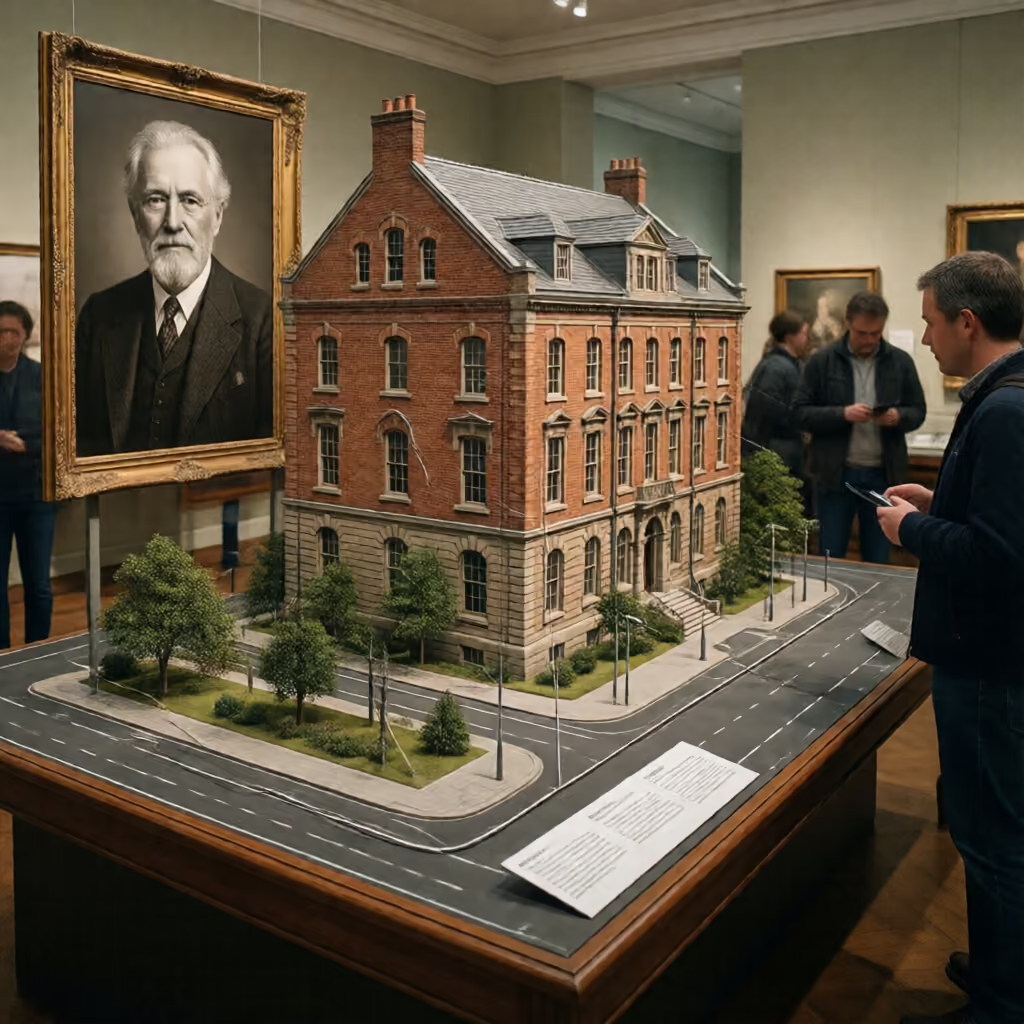
inseparable
So closely connected that it cannot be separated. The word is often used figuratively for a very close, lasting connection.
Der Name des Architekten ist unlösbar mit diesem Gebäude verbunden.
The architect's name is inseparably connected with this building.
| basic form | unlösbar |
|---|---|
| comparative | unlösbarer |
| superlative | am unlösbarsten |
| masc. | fem. | neut. | plural | |
|---|---|---|---|---|
| nom. | -e | -e | -e | -en |
| acc. | -en | -e | -e | -en |
| dat. | -en | -en | -en | -en |
| gen. | -en | -en | -en | -en |
Add the ending to unlösbar.
| masc. | fem. | neut. | plural | |
|---|---|---|---|---|
| nom. | -er | -e | -es | -en |
| acc. | -en | -e | -es | -en |
| dat. | -en | -en | -en | -en |
| gen. | -en | -en | -en | -en |
Add the ending to unlösbar.
| masc. | fem. | neut. | plural | |
|---|---|---|---|---|
| nom. | -er | -e | -es | -e |
| acc. | -en | -e | -es | -e |
| dat. | -em | -er | -em | -en |
| gen. | -en | -er | -en | -er |
Add the ending to unlösbar.
'Unlösbar' (unsolvable / inseparable) consists of 'un-' and 'lösbar' (solvable). The prefix 'un-' changes 'lösbar' into its opposite; 'lösbar' belongs to the word family of 'lösen' (to solve) and helps you work out the meaning.
Für die Ermittler schien der Fall zunächst unlösbar.
The case initially seemed unsolvable to the investigators.
'Unlösbar' (unsolvable) is especially common with problems, tasks, riddles, conflicts, and cases. The combination 'scheinbar unlösbar' (apparently unsolvable) is also very common.
Die beiden Parteien standen vor einem unlösbaren Konflikt.
The two parties were facing an insoluble conflict.
When a person or group is the focus, 'für' (for) is often used with the accusative: Etwas ist für jemanden unlösbar (Something is unsolvable for someone). 'Unlösbar' (unsolvable) also often follows verbs such as 'scheinen' (to seem) or 'sich erweisen' (to prove to be).
Die technische Aufgabe war für unser Team unlösbar.
The technical task was unsolvable for our team.