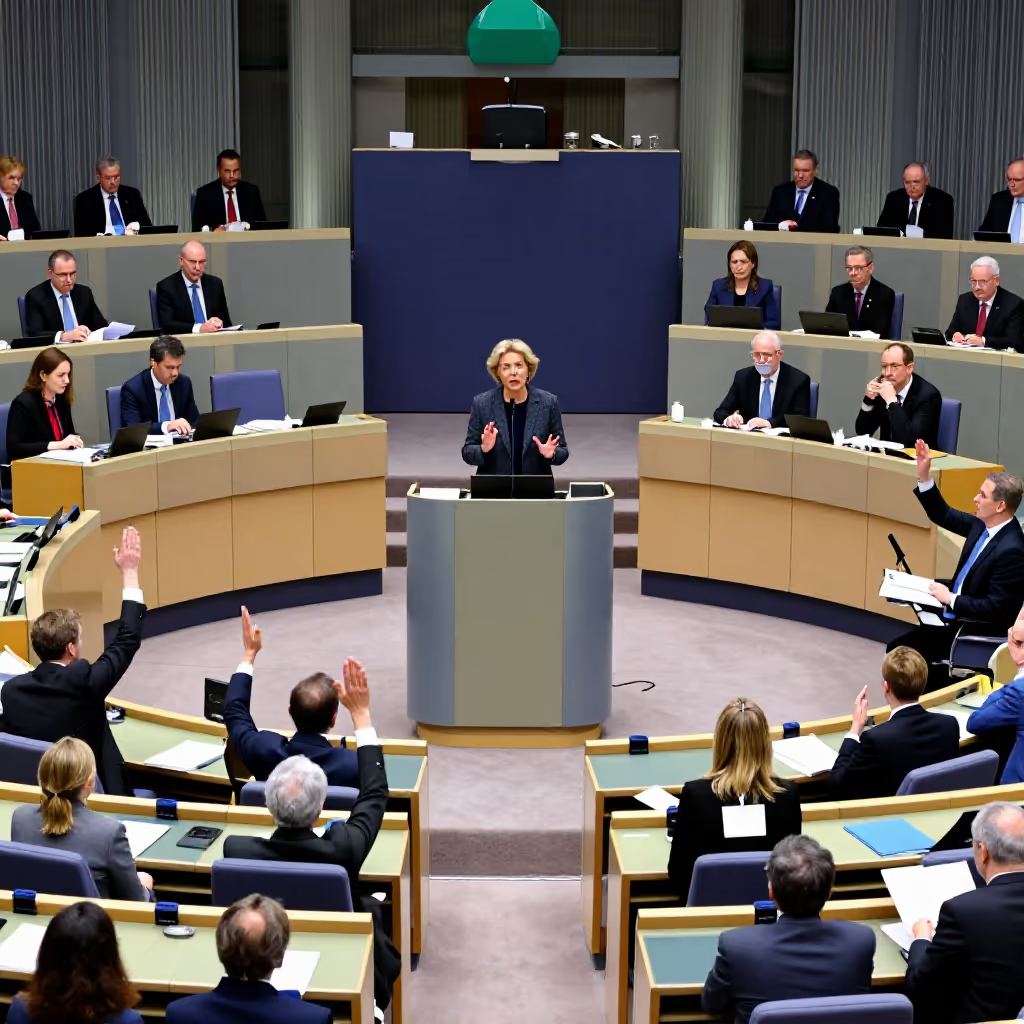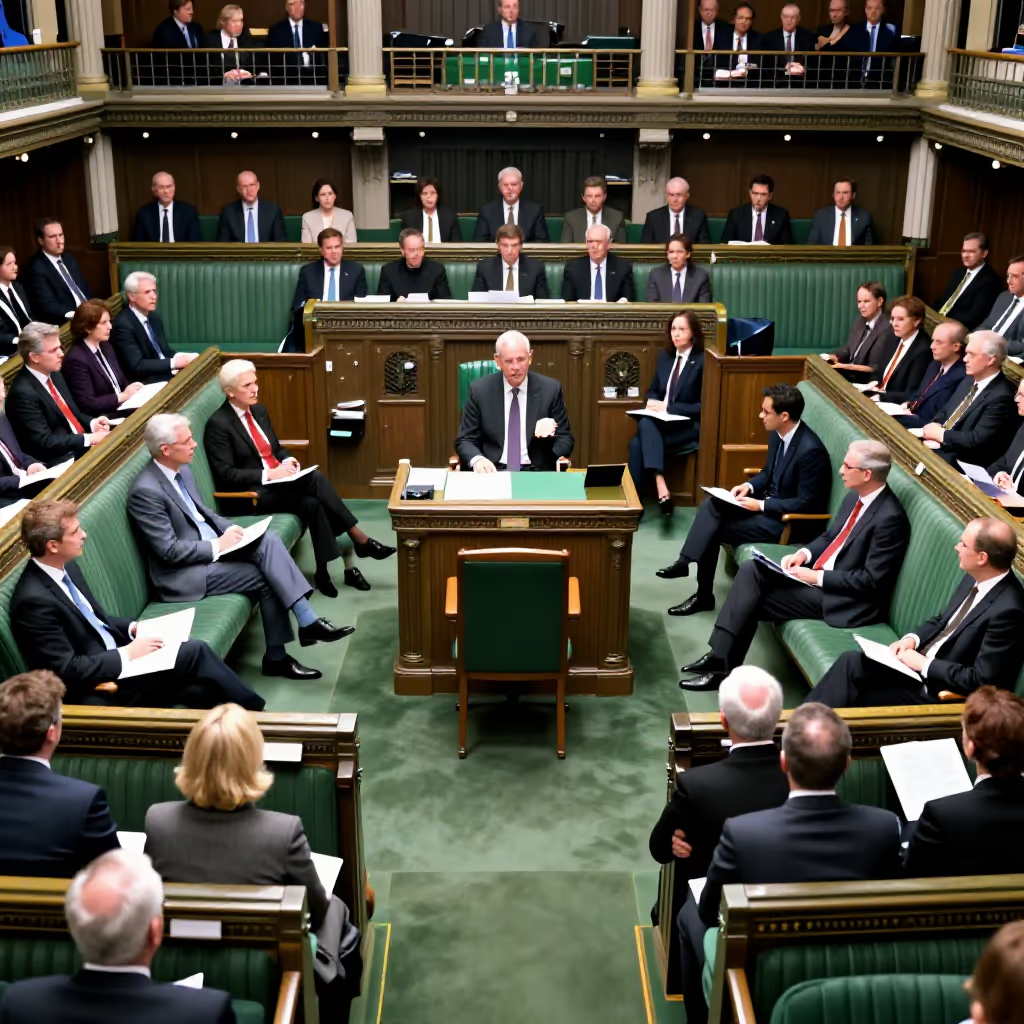
The second chamber of a parliament in a bicameral system, usually elected directly by the people, especially the British 'House of Commons'.
example
Das Gesetz wurde nach einer langen Debatte im Unterhaus verabschiedet.
The law was passed after a long debate in the lower house.
Usage tips
Compound structure
The word is made up of 'unter' (under/lower) and 'Haus' (house). So the meaning is literally 'the lower house', which can refer either to the lower part of a building or to the lower chamber of a parliament.
EXAMPLE
Die Entscheidung des Unterhauses wird morgen erwartet.
The decision of the lower house is expected tomorrow.
Context clue
You can recognize the meaning from the context. If it is about politics, laws, or countries like Great Britain, it refers to the parliamentary chamber. If it is about architecture, living, or specific buildings, it refers to the lower part of a building.
EXAMPLE
Die Abgeordneten debattierten hitzig im Unterhaus.
The members of parliament debated heatedly in the lower house.
Typical collocations
In a political context, typical phrases are 'im Unterhaus debattieren' (to debate in the lower house), 'ein Gesetz im Unterhaus verabschieden' (to pass a law in the lower house), or 'die Abgeordneten des Unterhauses' (the members of the lower house).
EXAMPLE
Die Regierung hat im Unterhaus keine Mehrheit mehr.
The government no longer has a majority in the lower house.
Register and style
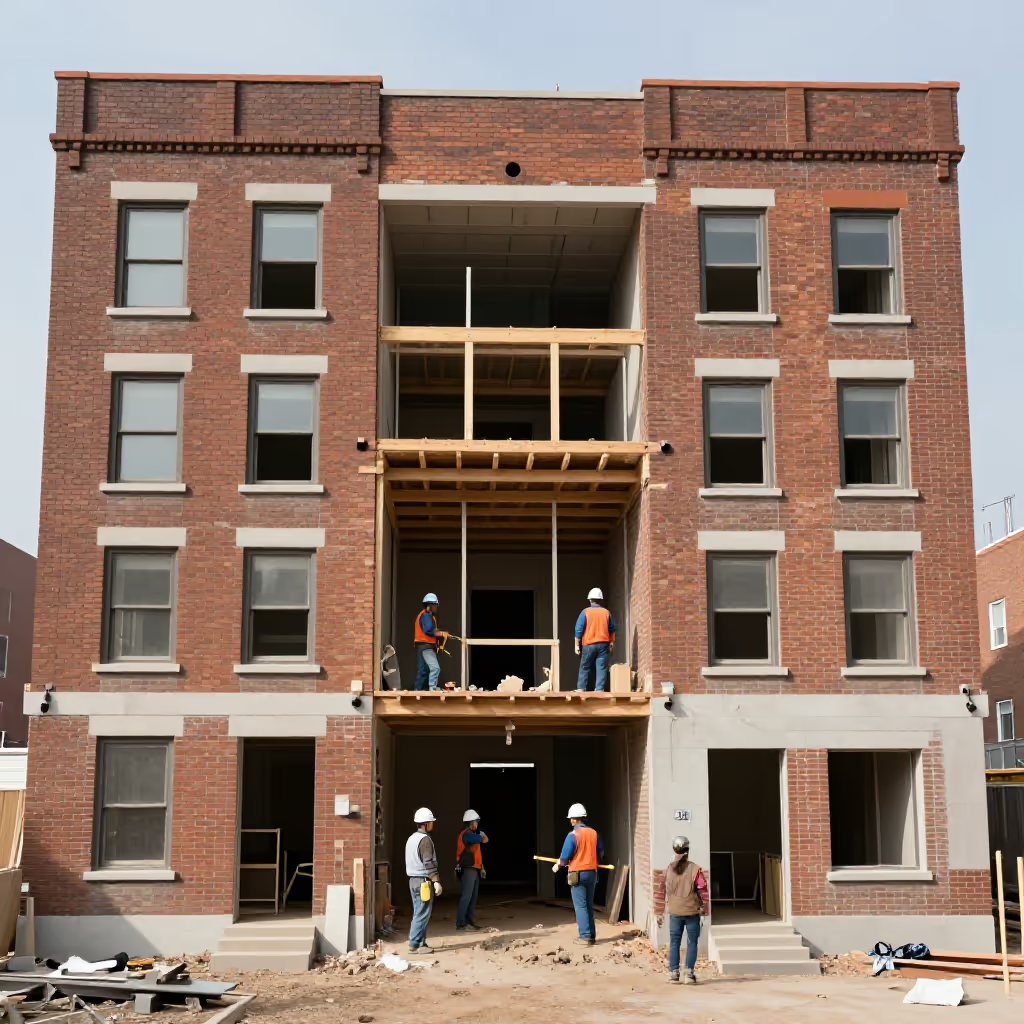
The meaning 'unterer Teil eines Gebäudes' (lower part of a building) is rather rare today and is mainly used when describing old or rural houses.
EXAMPLE
Der Wein wurde im kühlen Unterhaus gelagert.
The wine was stored in the cool lower part of the house.
Compare with
near_synonym · confusable
Unterhaus vs Keller
basement
'der Keller' and 'das Unterhaus' can both refer to a lower part of a building. 'der Keller' is the normal word for rooms below ground or at the very bottom of a house, often used for storage. In this meaning, 'das Unterhaus' is much rarer and more generally means the lower part of a building, for example the ground floor or basement. Learners may confuse the words because of 'unter' and 'Haus'. In everyday language, people almost always say 'Keller' when they mean the room under the house. 'Unterhaus' is only used in special or more precise descriptions of a building; it also has a political meaning.
Unterhaus
Das Unterhaus des alten Gebäudes wird morgen besichtigt.
The lower part of the old building will be inspected tomorrow.
Keller
Im Keller stehen die alten Fahrräder und mehrere Kisten mit Werkzeug.
The old bicycles and several boxes of tools are in the basement.