

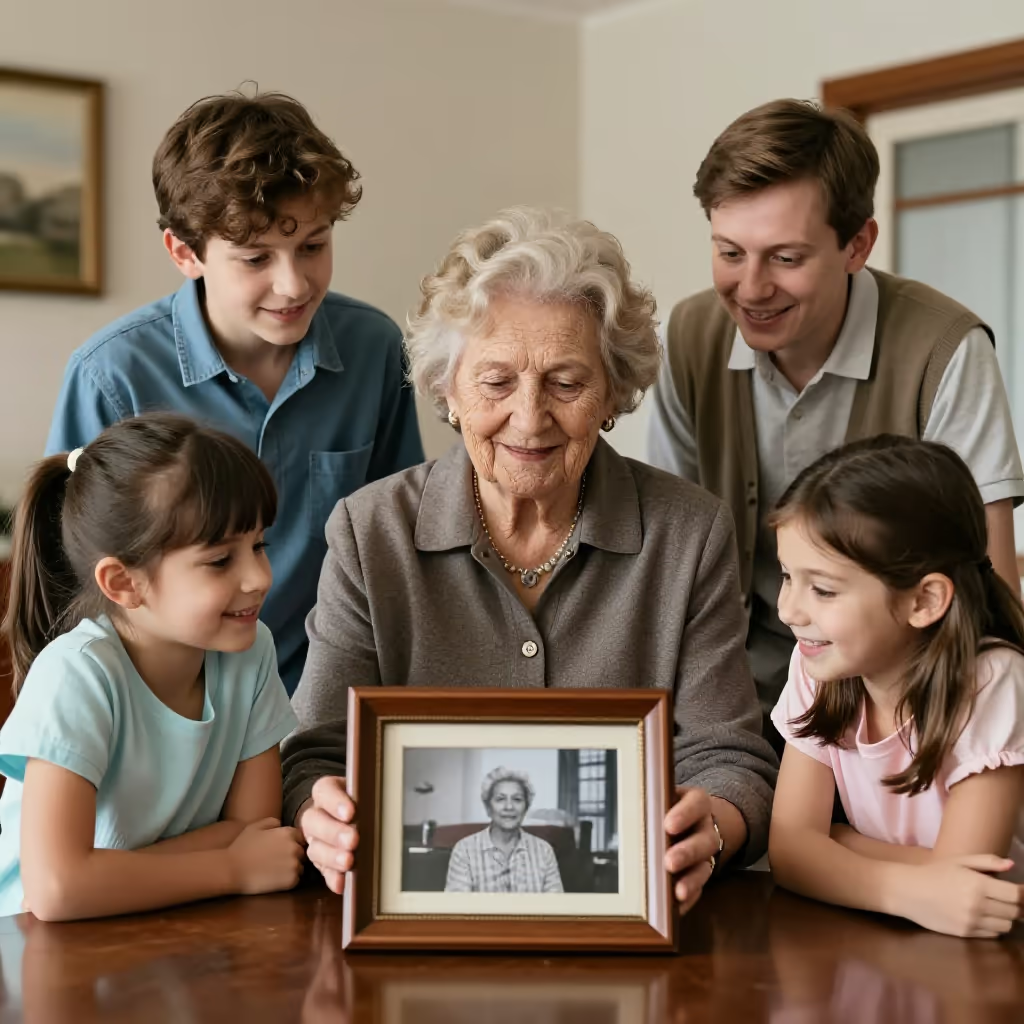
Describes a person or event that, even after a long time, is still vividly and usually positively remembered and has not been forgotten.
example
Die Konzerte dieser Band aus den 80er Jahren sind für ihre Fans unvergessen.
The concerts of this band from the 80s are unforgettable for their fans.

Usage tips
Word structure
The word consists of the prefix 'un-' and the past participle 'vergessen' (forgotten). It literally means 'not forgotten' and functions like an adjective.
EXAMPLE
Er ist ein unvergessener Held seiner Zeit.
He is an unforgettable hero of his time.
Use with 'bleiben'
'Unvergessen' (unforgettable) is very frequently combined with the verb 'bleiben' (to remain) to express that a memory is lasting and vivid.
EXAMPLE
Ihre Taten werden für immer unvergessen bleiben.
Her deeds will remain unforgettable forever.
Emotional meaning
This word is not only neutral, but has a strong emotional and positive meaning. It is used to honor a person or to emphasize the special importance of an event.
EXAMPLE
Der gemeinsame Urlaub war ein unvergessenes Erlebnis für die ganze Familie.
The vacation together was an unforgettable experience for the whole family.
Compare with
antonym
unvergessen vs vergessen
to forget
'vergessen' and 'unvergessen' stand in clear contrast. With 'vergessen', a person, event, or piece of information is no longer in memory. 'Unvergessen', on the other hand, describes something that remains vividly remembered even after a long time, often with a positive feeling. 'Vergessen' is a verb and describes the process or state of not remembering. 'Unvergessen' is an adjective and describes how important or strong the memory has remained.
unvergessen
Der gemeinsame Urlaub am Meer bleibt für uns unvergessen.
Our vacation together by the sea remains unforgettable for us.