

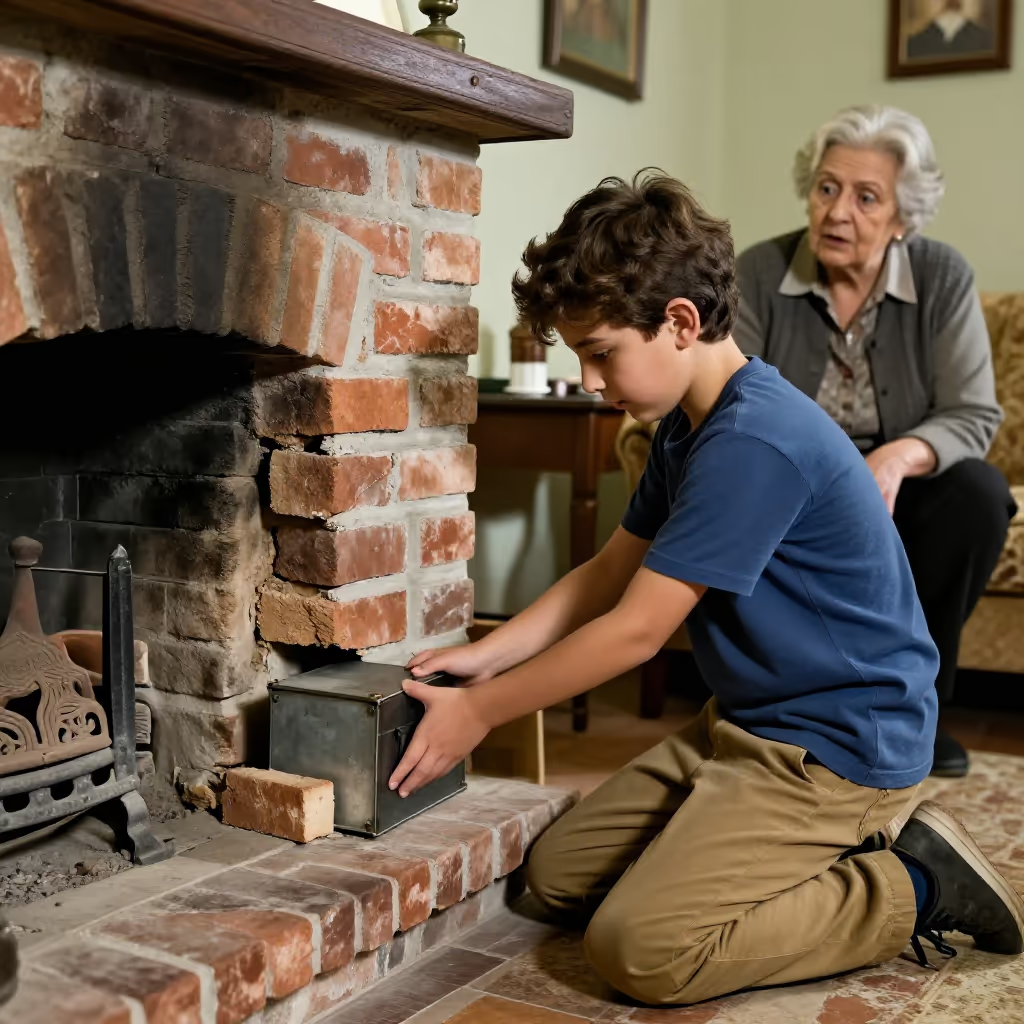
Hidden, secret, or not immediately visible or recognizable. This can refer to physical places or objects, as well as abstract things like talents or intentions.
example
In der alten Truhe fanden sie einen verborgenen Schatz.
In the old chest, they found a hidden treasure.
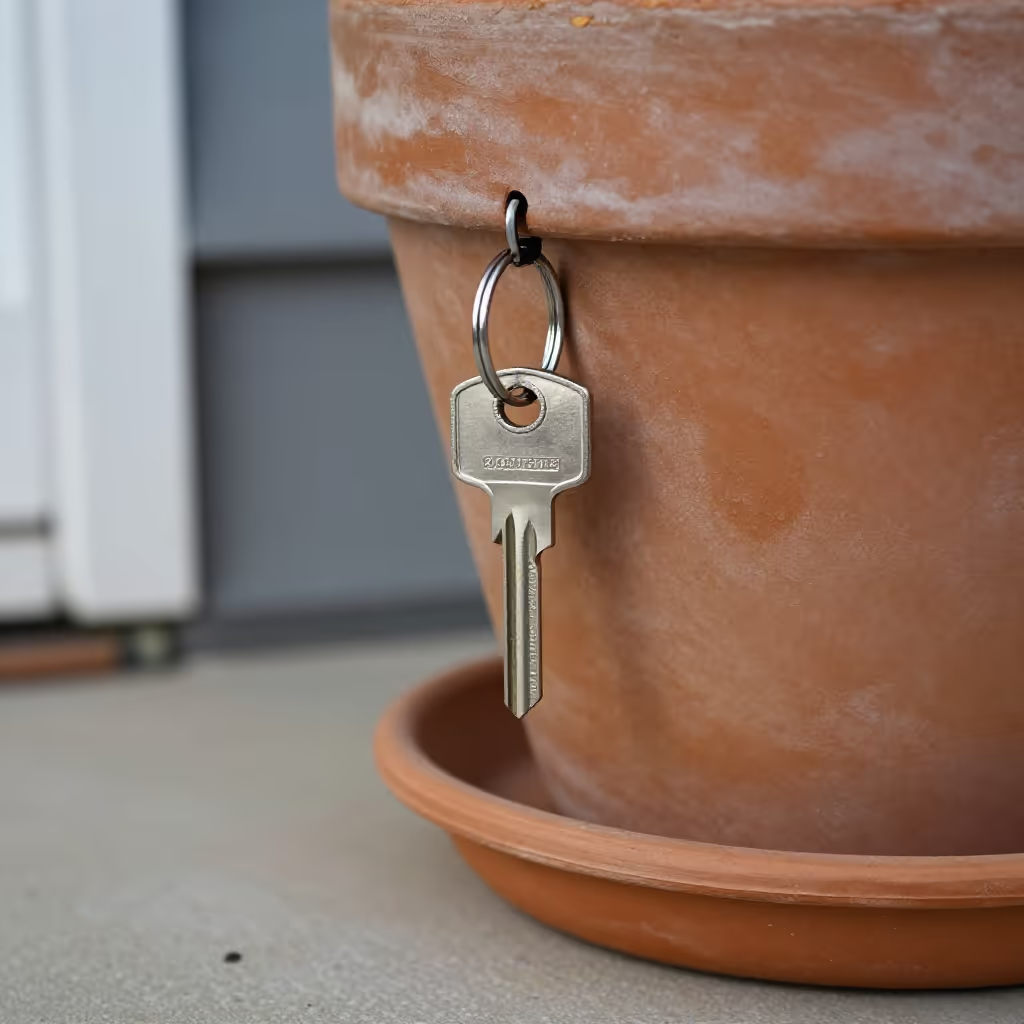
Usage tips
Participle as adjective
'Verborgen' is the past participle of the strong verb 'verbergen' (to hide). It is very often used like a normal adjective to describe a state.
EXAMPLE
Er versuchte, seine wahren Gefühle zu verbergen.
He tried to hide his true feelings.
Typical collocations
The word is used not only for physical objects, but also for abstract things. Typical combinations are 'ein verborgener Schatz' (a hidden treasure), but also 'verborgene Talente' (hidden talents), 'verborgene Absichten' (hidden intentions), or 'eine verborgene Bedeutung' (a hidden meaning).
EXAMPLE
In dem Gedicht steckt eine verborgene Botschaft.
There is a hidden message in the poem.
Use with 'bleiben'
A very common construction is 'verborgen bleiben' (to remain hidden). It expresses that something continues to be undiscovered or secret.
EXAMPLE
Der genaue Standort des Schatzes ist bis heute verborgen geblieben.
The exact location of the treasure has remained hidden to this day.
Compare with
antonym
verborgen vs offen
open
'offen' and 'verborgen' form a contrast when something is shown or not shown. 'offen' then means that you are not hiding anything and clearly say what is going on. 'verborgen' means that something is not visible, not known, or deliberately secret. 'verborgen' can also refer to things, places, or intentions, while in this contrast 'offen' is often used with statements, feelings, or information.
verborgen
Hinter dem alten Schrank lag eine verborgene Tür.
Behind the old cupboard was a hidden door.
offen
Du kannst offen sagen, wenn du mit dem Plan nicht einverstanden bist.
You can say openly if you do not agree with the plan.