

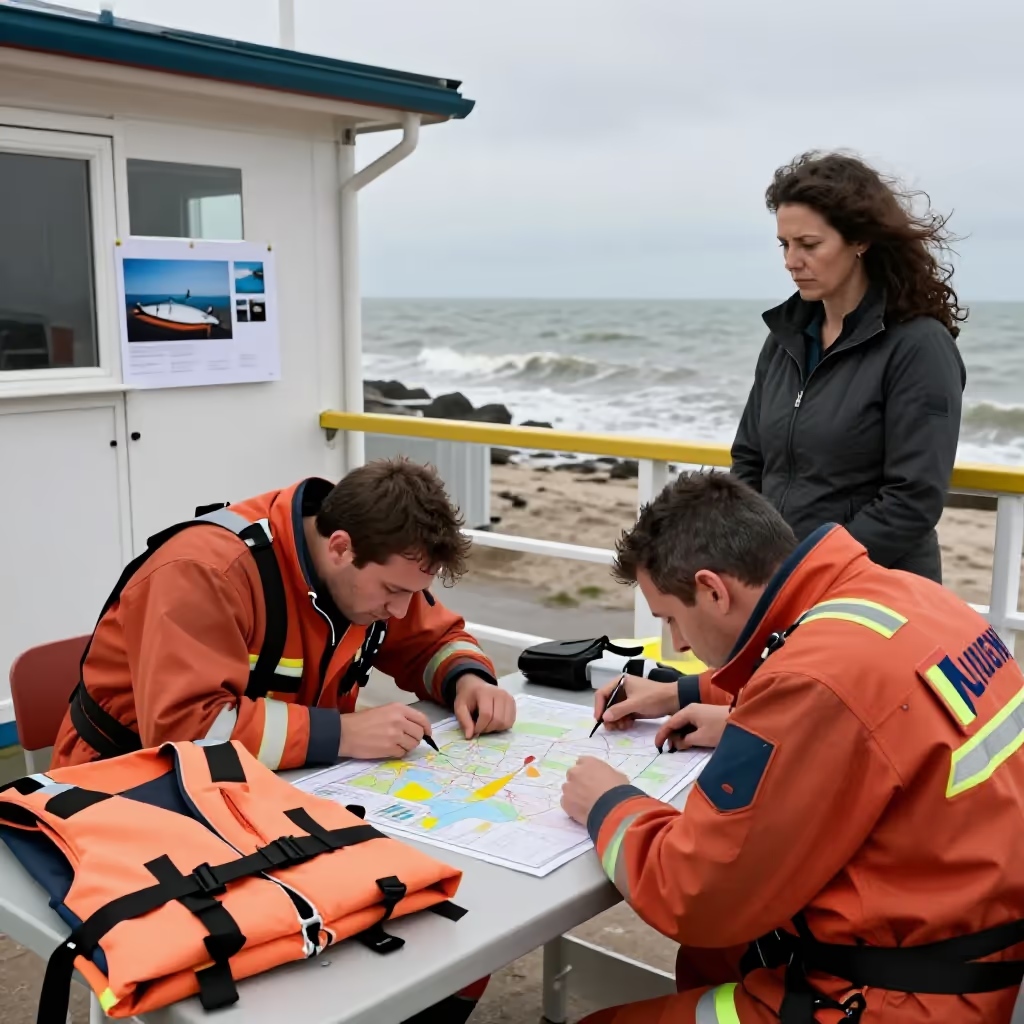
Describes a person or thing whose whereabouts are unknown and who or which is considered lost or dead, often after a disaster, a war, or a long absence. It is assumed that the search has been unsuccessful.
example
Der Bergsteiger gilt seit dem Lawinenunglück als verschollen.
The mountaineer has been considered missing since the avalanche accident.

Usage tips
Word structure
The word 'verschollen' (missing, presumed lost) is the past participle of the outdated verb 'verschallen', which means 'verhallen' (to fade away) or 'verklingen' (to die away). The idea is that a person or thing has disappeared like a sound that can no longer be heard.
EXAMPLE
Viele Kunstwerke aus dieser Epoche sind verschollen.
Many works of art from this era are missing.
Sentence structure
'Verschollen' (missing) is almost always used predicatively, that is, in connection with verbs like 'sein' (to be), 'bleiben' (to remain), or 'gelten als' (to be considered). Using it directly before a noun (attributively) is rare.
EXAMPLE
Das Schiff ist seit dem Sturm verschollen.
The ship has been missing since the storm.
Typical context
This word is mostly used in serious contexts such as disasters, wars, or for people and objects that have been missing for a long time. It has an official and often dramatic tone that occurs in news reports or written reports.
EXAMPLE
Nach dem Erdbeben werden noch immer viele Menschen als verschollen gemeldet.
After the earthquake, many people are still being reported missing.
Compare with
near_synonym · confusable
verschollen vs verloren
lost
'verloren' and 'verschollen' can both mean that someone or something can no longer be found. 'verloren' is used very generally, for example for keys, bags, or even people in a certain situation. 'verschollen' is stronger and more serious. It fits especially with people or things whose whereabouts have been unknown for a long time, often after a war, accident, journey, or disaster. Learners may confuse the words because both have to do with not being able to find something or someone. As a memory aid: a key is normally 'verloren', but a person after a disaster may be 'verschollen'.
verschollen
Nach dem Sturm galt der Fischer mehrere Tage als verschollen.
After the storm, the fisherman was considered missing for several days.