

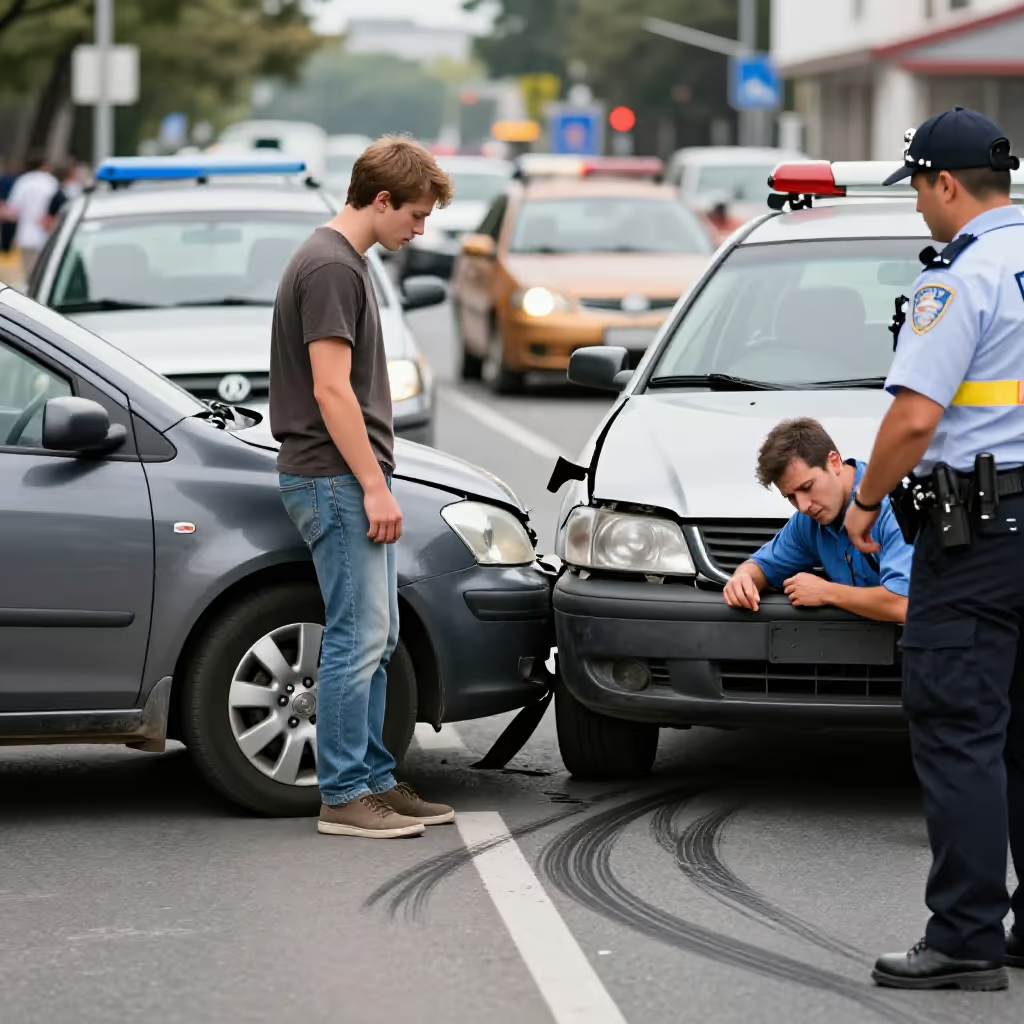
A person, group, or thing that has caused something, usually something negative such as an accident, damage, or a problem.
example
Die Polizei konnte den Verursacher des Auffahrunfalls schnell ermitteln.
The police were quickly able to identify the culprit behind the rear-end collision.

Usage tips
Word structure
The word derives from the verb 'verursachen' (to cause), which itself is formed from 'ver-' and 'Ursache' (cause). A 'Verursacher' (cause/culprit) is therefore literally someone who creates a cause for something.
EXAMPLE
Wer hat den Lärm in der Nacht verursacht?
Who caused the noise during the night?
Negative context
'Verursacher' (cause/culprit) is used almost exclusively for people or things that have triggered something negative. Typical contexts are accidents, damage, problems, or costs.
EXAMPLE
Der Verursacher des Feuers muss für den Schaden aufkommen.
The person responsible for the fire must pay for the damage.
Sentence structure with genitive
To specify what was caused, the genitive is used very often. This structure is typical in formal and police language.
EXAMPLE
Die Polizei sucht den Verursacher des Unfalls.
The police are looking for the culprit behind the accident.
Compare with
antonym
Verursacher vs Opfer
victim / sacrifice
'das Opfer' and 'der Verursacher' are on two different sides of a negative event in many situations. The 'Opfer' suffers the harm, for example in an accident or a crime. The 'Verursacher' caused the harm or the problem. The person responsible does not always have to act intentionally, but they are the cause. The victim is the person affected. This contrast is especially important in reports about accidents, damage, or conflicts.
Verursacher
Der Verursacher des Schadens meldet sich erst am nächsten Tag bei der Versicherung.
The person responsible for the damage does not contact the insurance company until the next day.
Opfer
Nach dem Unfall kümmert sich die Ärztin zuerst um das Opfer.
After the accident, the doctor takes care of the victim first.