

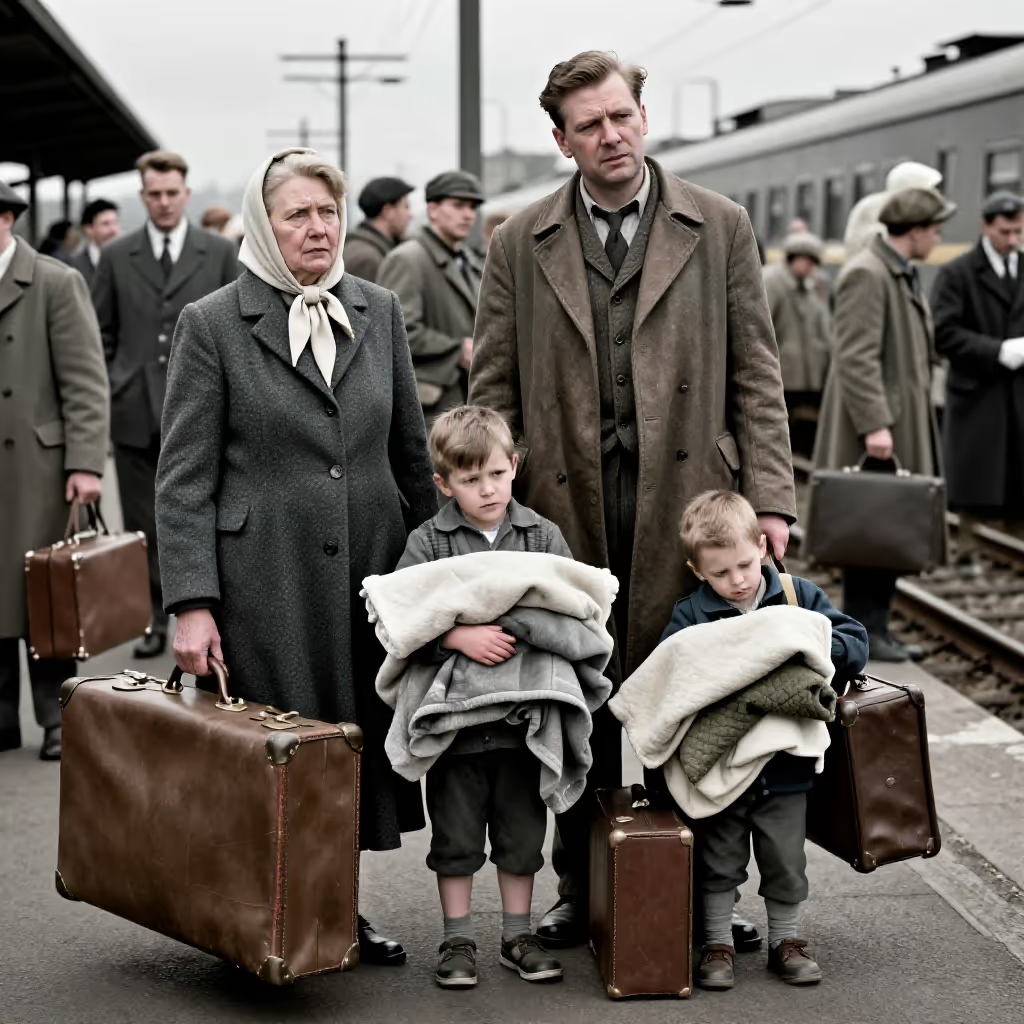
A person who was forced to leave their homeland because of war, ethnic cleansing, or political persecution. In Germany, the term is used historically above all for the German population groups who were expelled after the Second World War from the former eastern German territories and other parts of Eastern and Southeastern Europe.
example
Mein Großvater war ein Vertriebener aus Schlesien und musste nach dem Krieg eine neue Heimat finden.
My grandfather was an expellee from Silesia and had to find a new home after the war.
Usage tips
Word structure
'Der Vertriebene' (the expellee) is a nominalized participle. It comes from the verb 'vertreiben' (to force someone to leave their homeland). Literally, it therefore means 'eine Person, die vertrieben wurde' (a person who was expelled).
EXAMPLE
Die Armee hat die feindlichen Truppen aus der Stadt vertrieben.
The army drove the enemy troops out of the city.
Adjective declension
Since this noun was formed from a participle, it is declined like an adjective. Pay attention to the endings: 'ein Vertriebener' (a male expellee; masculine, nominative), 'die Vertriebene' (the female expellee; feminine, nominative), 'die Vertriebenen' (the expellees; plural).
EXAMPLE
Er sprach mit einem Vertriebenen über dessen Geschichte.
He spoke with an expellee about his story.
Historical context
In German usage, the term is very closely linked to the history after the Second World War. It primarily refers to Germans who had to flee from the former eastern German territories and other parts of Eastern Europe or were expelled from them.
EXAMPLE
Der „Bund der Vertriebenen“ ist eine Organisation, die ihre Interessen vertritt.
The 'Bund der Vertriebenen' (Federation of Expellees) is an organization that represents their interests.
Compare with
near_synonym · confusable
Vertriebene vs Flüchtling
refugee
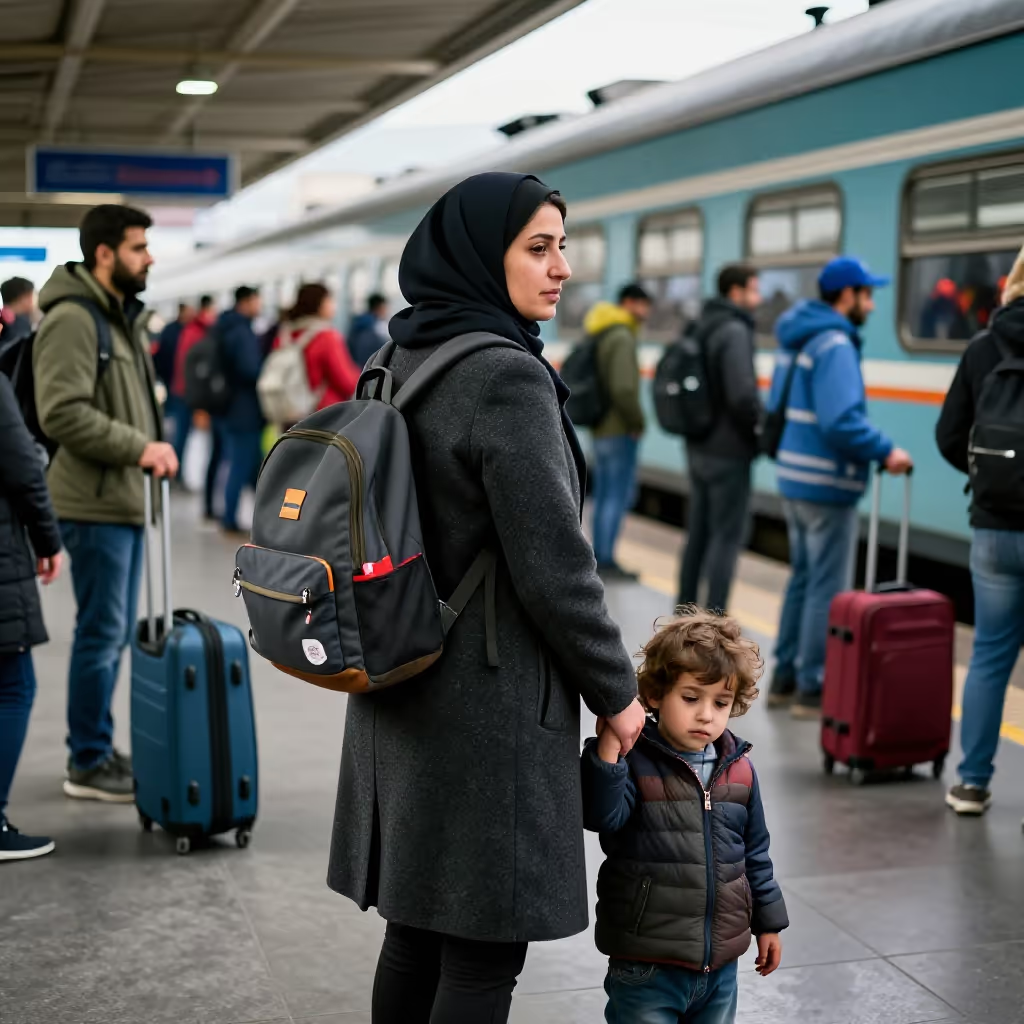
'Flüchtling' and 'Vertriebener' are closely related because both words mean people who do not leave their homeland voluntarily. With 'Flüchtling', the focus is often on the fact that someone is fleeing war, persecution, or a disaster and is seeking protection. 'Vertriebener' emphasizes more strongly that someone was actively driven out of their homeland, meaning they had to leave because of violence or political power. In Germany, 'Vertriebener' also often has a historical connection to people who lost their homeland after the Second World War. The words can be confused because both express coercion. In practice: 'Flüchtling' is more general for flight and protection, while 'Vertriebener' sounds more like forced expulsion and often a historical situation.
Vertriebene
Wegen der politischen Gewalt kann der Vertriebene nicht in sein Heimatdorf zurückkehren.
Because of the political violence, the expellee cannot return to his home village.
Flüchtling
In der Schule hat sie berichtet, wie ein Flüchtling nach langer Reise in Sicherheit kam.
At school, she reported on how a refugee reached safety after a long journey.