

vorfahren
to pull up
To drive a vehicle to a specific place or in front of a specific building and arrive there.
EXAMPLE
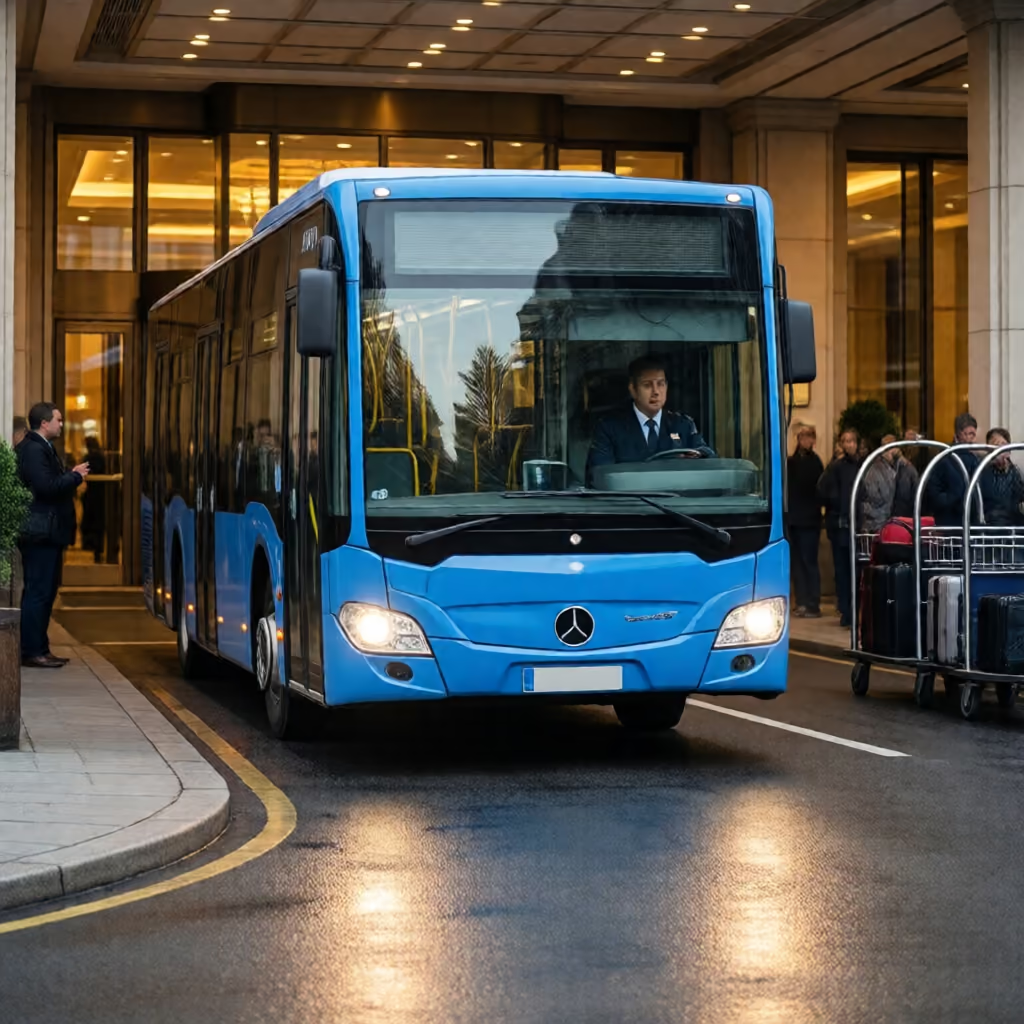
Der Bus fuhr pünktlich vor dem Hotel vor.
The bus pulled up in front of the hotel right on time.
to pull up / drive ahead
vorfahren – fuhr vor – hat vorgefahren
Loading your saved state.
to pull up
To drive a vehicle to a specific place or in front of a specific building and arrive there.
Der Bus fuhr pünktlich vor dem Hotel vor.
The bus pulled up in front of the hotel right on time.
to drive ahead
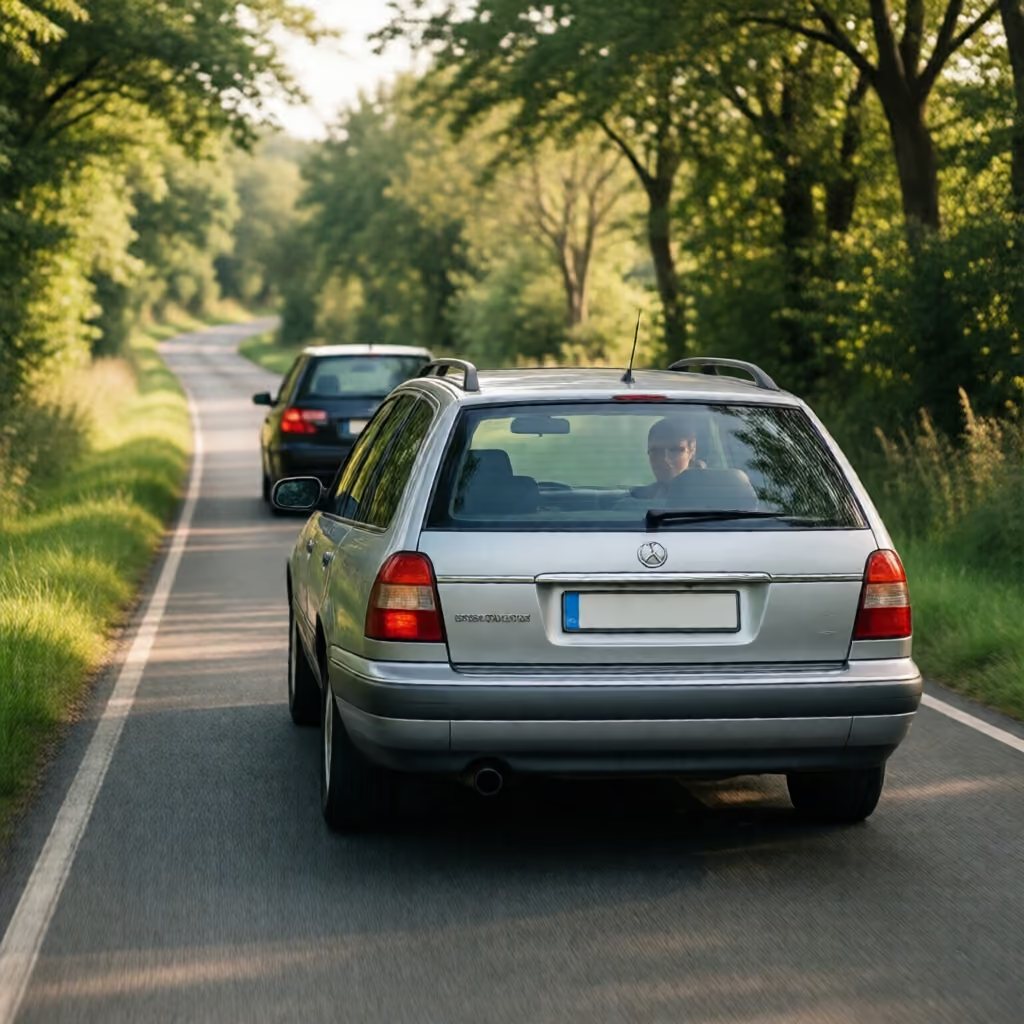
To drive a vehicle in front of someone or another vehicle so that you are ahead of them or driving in front.
Fahr schon vor, ich komme später nach.
Go ahead, I'll catch up later.
to move forward
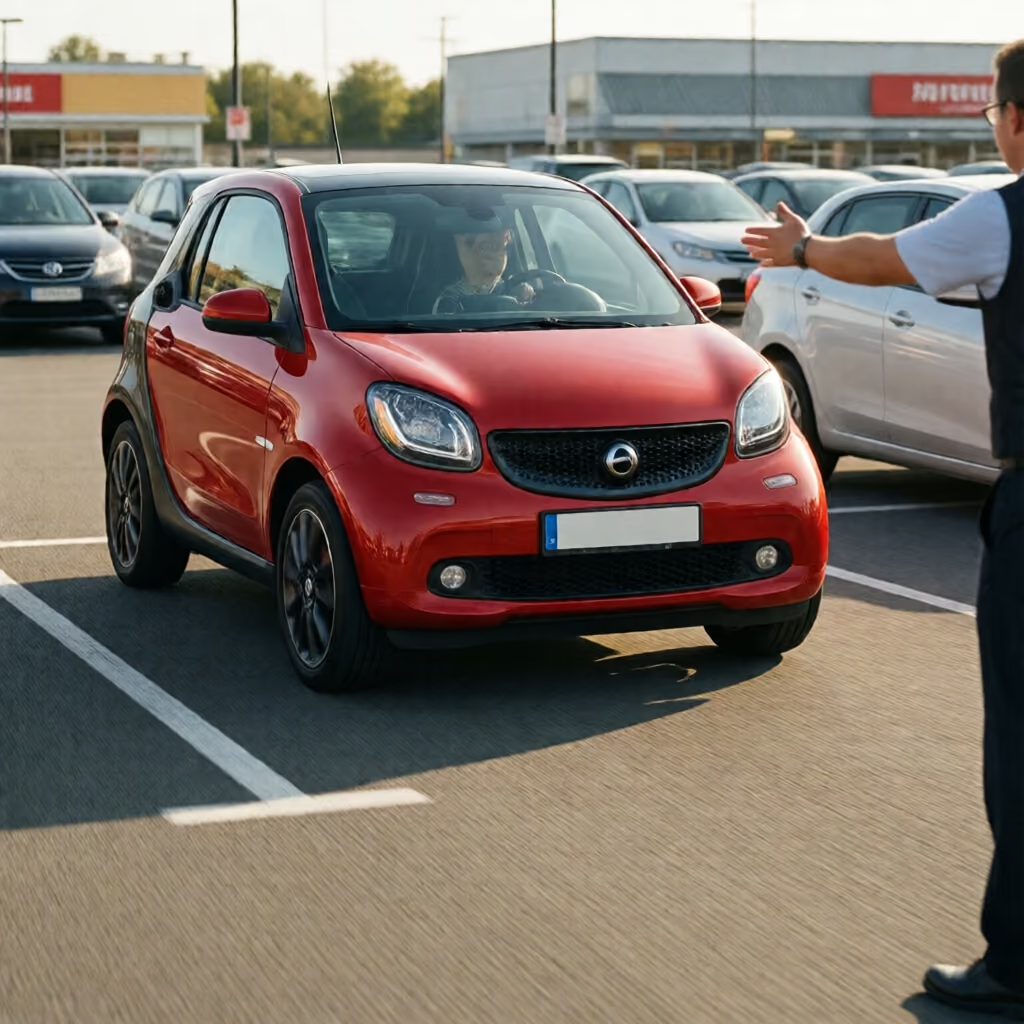
To drive a vehicle a little farther forward.
Bitte fahren Sie noch einen Meter vor.
Please move forward another meter.
| ich | fahre vor |
|---|---|
| du | fährst vor |
| er/sie/es | fährt vor |
| wir | fahren vor |
| ihr | fahrt vor |
| sie | fahren vor |
| ich | fuhr vor |
|---|---|
| du | fuhrst vor |
| er/sie/es | fuhr vor |
| wir | fuhren vor |
| ihr | fuhrt vor |
| sie | fuhren vor |
| ich | habe vorgefahren bin vorgefahren |
|---|---|
| du | hast vorgefahren bist vorgefahren |
| er/sie/es | hat vorgefahren ist vorgefahren |
| wir | haben vorgefahren sind vorgefahren |
| ihr | habt vorgefahren seid vorgefahren |
| sie | haben vorgefahren sind vorgefahren |
| du | fahr vor! fahre vor! |
|---|---|
| ihr | fahrt vor! |
| Sie | fahren Sie vor! |
| ich | hatte vorgefahren war vorgefahren |
|---|---|
| du | hattest vorgefahren warst vorgefahren |
| er/sie/es | hatte vorgefahren war vorgefahren |
| wir | hatten vorgefahren waren vorgefahren |
| ihr | hattet vorgefahren wart vorgefahren |
| sie | hatten vorgefahren waren vorgefahren |
| ich | werde vorfahren |
|---|---|
| du | wirst vorfahren |
| er/sie/es | wird vorfahren |
| wir | werden vorfahren |
| ihr | werdet vorfahren |
| sie | werden vorfahren |
| ich | fahre vor |
|---|---|
| du | fahrest vor |
| er/sie/es | fahre vor |
| wir | fahren vor |
| ihr | fahret vor |
| sie | fahren vor |
Used for reported speech.
| ich | führe vor |
|---|---|
| du | führest vor führst vor |
| er/sie/es | führe vor |
| wir | führen vor |
| ihr | führet vor führt vor |
| sie | führen vor |
Used for wishes and “would”.
| infinitive | vorfahren |
|---|---|
| with zu | vorzufahren |
| present participle | vorfahrend |
| past participle | vorgefahren |
'Vorfahren' (to pull up / drive ahead) is a separable verb made up of 'vor' (forward / ahead) and 'fahren' (to drive). In a main clause, 'vor' appears at the end of the sentence; in a subordinate clause and in the infinitive, the verb remains together.
Der Fahrer fährt direkt vor dem Eingang vor.
The driver pulls up directly in front of the entrance.
Wir warten, bis der Wagen vorfährt.
We are waiting until the car pulls up.
Sie möchte mit dem Taxi vorfahren.
She wants to pull up in a taxi.
In the meaning 'to arrive at a place', 'vorfahren' (to pull up) is often used with a location phrase containing 'vor' (in front of). You pull up in front of a building or right up to an entrance. When describing movement toward a destination, 'vor' is followed by the accusative.
Der Krankenwagen fuhr bis vor den Haupteingang vor.
The ambulance pulled up right in front of the main entrance.
When referring to arriving at a building, 'vorfahren' (to pull up) describes driving up to that building. When a person or another vehicle is mentioned, or when 'schon' (already) is used, it often means that someone is driving ahead.
Fahr du vor, du kennst den Weg.
You go ahead; you know the way.
Eine Limousine fuhr vor dem Theater vor, und die Gäste stiegen aus.
A limousine pulled up in front of the theater, and the guests got out.