


vorgehen
to proceed
To act in a particular way when carrying out a task or undertaking.
EXAMPLE
Bei der Fehlersuche gehen wir Schritt für Schritt vor.
We proceed step by step when troubleshooting.
to proceed
vorgehen – ging vor – ist vorgegangen
Loading your saved state.
to proceed
To act in a particular way when carrying out a task or undertaking.
Bei der Fehlersuche gehen wir Schritt für Schritt vor.
We proceed step by step when troubleshooting.
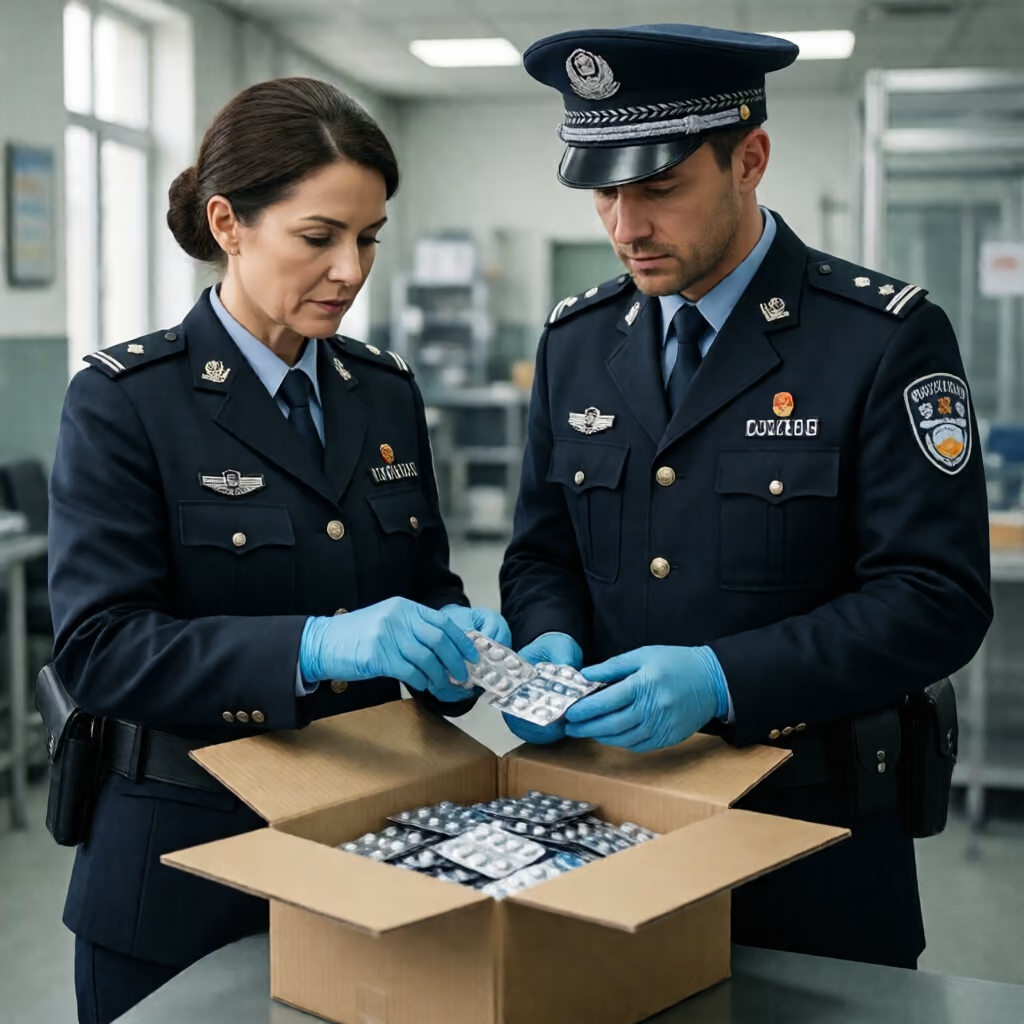
to take action against someone or something
To take measures to fight someone or something or to prevent or eliminate something.
Die Behörden gehen gegen den illegalen Handel mit Medikamenten vor.
The authorities are taking action against the illegal trade in medication.

to happen
To happen or take place. This can also refer to processes taking place in a person's thoughts and feelings.
Niemand wusste, was hinter den verschlossenen Türen vorging.
No one knew what was happening behind the closed doors.
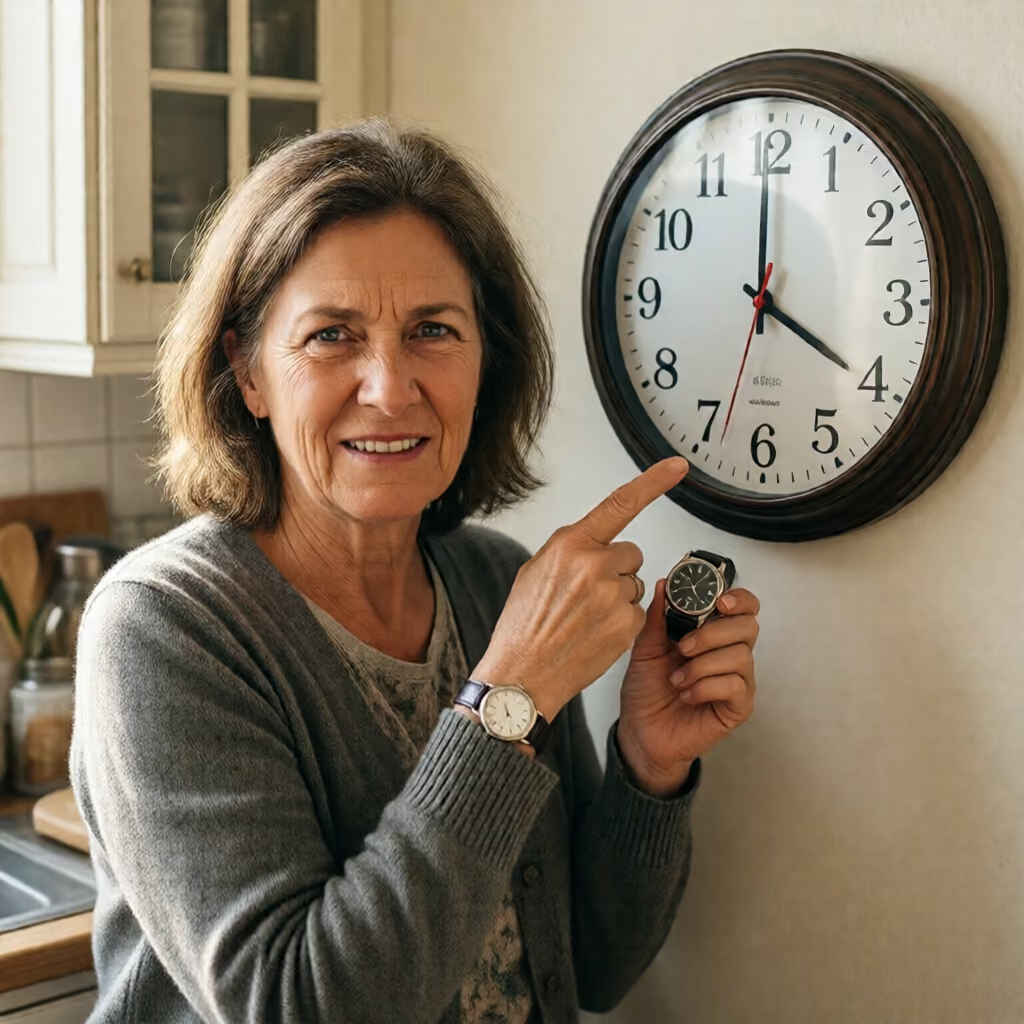
to be fast
Of a clock: to show a later time than the actual correct time.
Meine Uhr geht fünf Minuten vor.
My clock is five minutes fast.

to go ahead
To leave earlier than others or walk ahead of others.
Geh schon zum Bahnhof vor, ich komme gleich nach.
Go ahead to the train station; I'll be right behind you.
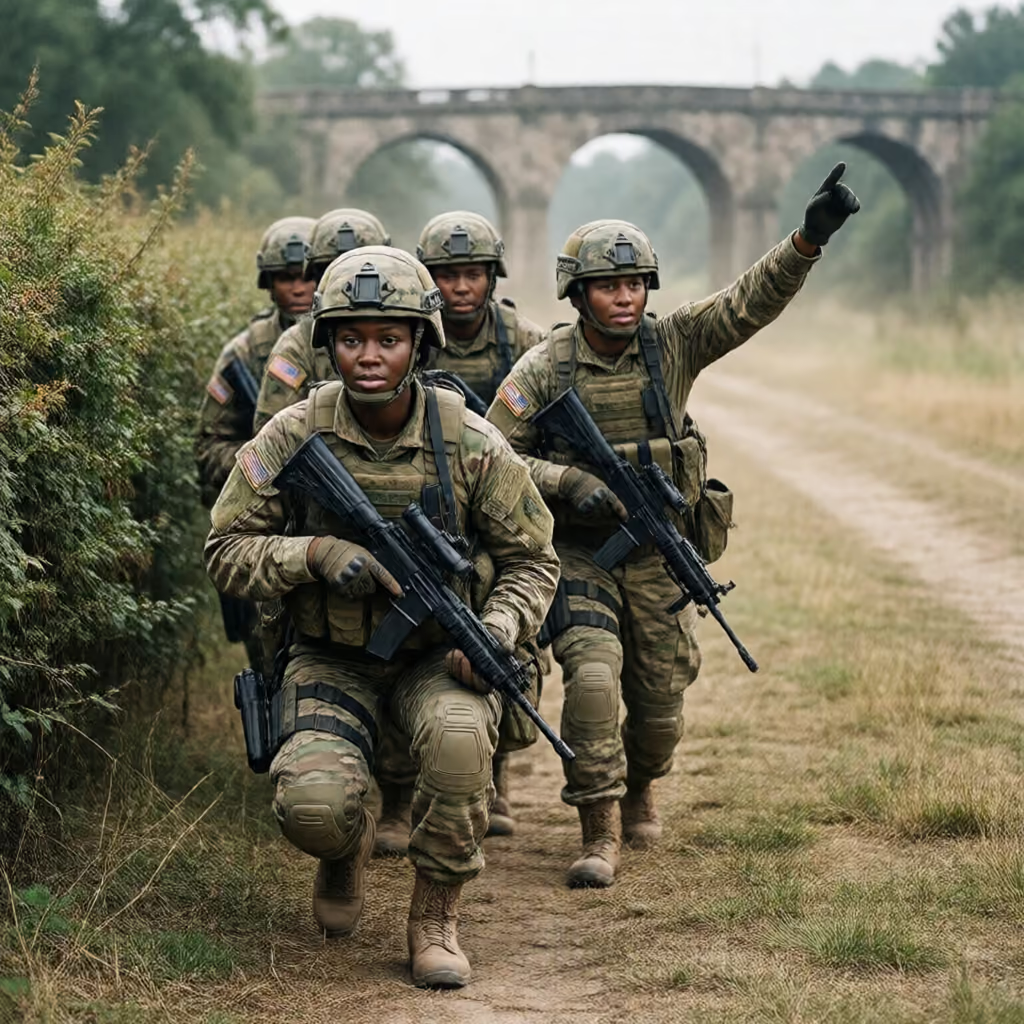
to advance
To move forward or toward a target, especially during military operations.
Die Soldaten gingen unter feindlichem Beschuss bis zur Brücke vor.
The soldiers advanced as far as the bridge under enemy fire.
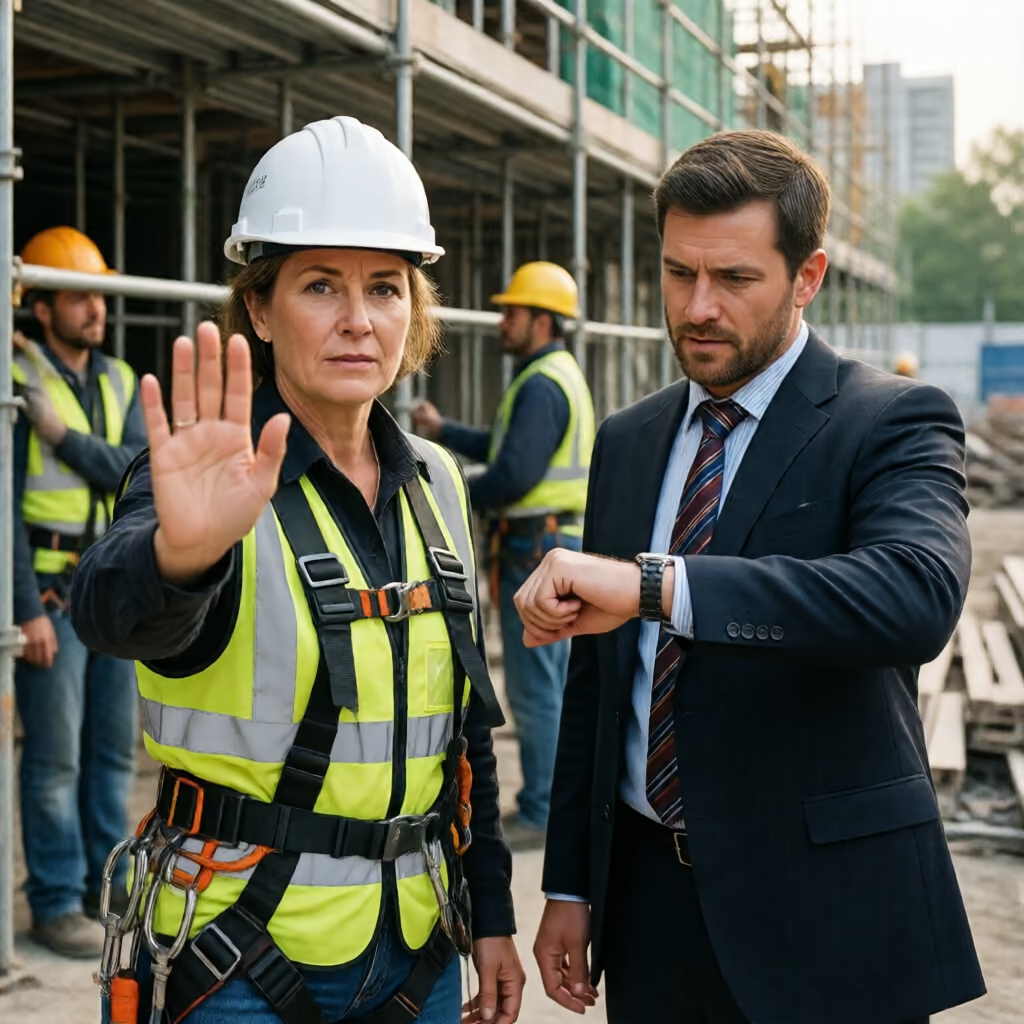
to take precedence
To be more important than something else and therefore be considered first.
Die Sicherheit der Beschäftigten geht allen wirtschaftlichen Interessen vor.
The safety of employees takes precedence over all economic interests.
| ich | gehe vor |
|---|---|
| du | gehst vor |
| er/sie/es | geht vor |
| wir | gehen vor |
| ihr | geht vor |
| sie | gehen vor |
| ich | ging vor |
|---|---|
| du | gingst vor |
| er/sie/es | ging vor |
| wir | gingen vor |
| ihr | gingt vor |
| sie | gingen vor |
| ich | bin vorgegangen |
|---|---|
| du | bist vorgegangen |
| er/sie/es | ist vorgegangen |
| wir | sind vorgegangen |
| ihr | seid vorgegangen |
| sie | sind vorgegangen |
| du | geh vor! gehe vor! |
|---|---|
| ihr | geht vor! |
| Sie | gehen Sie vor! |
| ich | war vorgegangen |
|---|---|
| du | warst vorgegangen |
| er/sie/es | war vorgegangen |
| wir | waren vorgegangen |
| ihr | wart vorgegangen |
| sie | waren vorgegangen |
| ich | werde vorgehen |
|---|---|
| du | wirst vorgehen |
| er/sie/es | wird vorgehen |
| wir | werden vorgehen |
| ihr | werdet vorgehen |
| sie | werden vorgehen |
| ich | gehe vor |
|---|---|
| du | gehest vor |
| er/sie/es | gehe vor |
| wir | gehen vor |
| ihr | gehet vor |
| sie | gehen vor |
Used for reported speech.
| ich | ginge vor |
|---|---|
| du | gingest vor |
| er/sie/es | ginge vor |
| wir | gingen vor |
| ihr | ginget vor |
| sie | gingen vor |
Used for wishes and “would”.
| infinitive | vorgehen |
|---|---|
| with zu | vorzugehen |
| present participle | vorgehend |
| past participle | vorgegangen |
'Vorgehen' (to proceed) consists of the prefix 'vor-' and the verb 'gehen' (to go) and is separable. In a main clause, 'vor' usually comes at the end of the sentence; in a subordinate clause, the verb stays together. In the infinitive with 'zu', 'zu' goes between the prefix and the verb.
Bei der Untersuchung gehen die Techniker vorsichtig vor.
During the investigation, the technicians proceed cautiously.
Die Ärztin erklärt, wie sie bei der Untersuchung vorgeht.
The doctor explains how she proceeds during the examination.
Das Team plant, bei der Reparatur besonders sorgfältig vorzugehen.
The team plans to proceed particularly carefully during the repair.
When referring to a task, 'vorgehen' (to proceed) is often used with information about the method. Typical collocations are 'systematisch vorgehen' (to proceed systematically), 'nach einem Plan vorgehen' (to proceed according to a plan), and 'Schritt für Schritt vorgehen' (to proceed step by step).
Bei komplizierten Problemen sollten wir systematisch vorgehen.
We should proceed systematically with complicated problems.
In the meaning 'to take action', 'vorgehen' (to proceed) is used with 'gegen' (against) and the accusative. It often refers to authorities, the police, companies, or other institutions taking action against a problem or person.
Die Stadt will gegen die illegale Vermietung von Wohnungen vorgehen.
The city wants to take action against the illegal renting out of apartments.
In the meaning 'to happen', 'vorgehen' (to proceed) is often used with place expressions such as 'hier' (here), 'dort' (there), or 'hinter den Kulissen' (behind the scenes). It can also describe inner processes: 'Was geht in ihr vor?' (What is going on inside her?)
Ich konnte nicht verstehen, was während der Sitzung vorging.
I couldn't understand what was happening during the meeting.
When referring to a clock, 'vorgehen' (to be fast) is often used with a time expression such as 'fünf Minuten' (five minutes). The time expression normally appears without a preposition and indicates how much the clock is off.
Unsere Küchenuhr geht seit gestern drei Minuten vor.
Our kitchen clock has been three minutes fast since yesterday.
In this meaning, 'vorgehen' (to go ahead) is often used without an accusative object. One person can go ahead while another follows or comes along later.
Der Reiseleiter ging vor, und die Gruppe folgte ihm.
The tour guide went ahead, and the group followed him.
When describing movement toward a target, place expressions with 'bis zu' (as far as), 'in Richtung' (in the direction of), or a similar directional expression are often used. These expressions show where the group is moving.
Die Einsatzkräfte gingen bis zum Waldrand vor.
The emergency responders advanced as far as the edge of the forest.
When something takes precedence over something else, the person or thing with lower priority is often in the dative. The pattern is: One thing takes precedence over someone or something.
Für sie geht die Familie der Karriere vor.
For her, family takes precedence over her career.