


wegbekommen
to get rid of
Colloquial: to make someone or something disappear from a place, or to get rid of something annoying.
EXAMPLE
Mit diesem Reiniger habe ich den Fleck endlich wegbekommen.
I finally got rid of the stain with this cleaner.
to get rid of / to eat / to get through
wegbekommen – bekam weg – hat wegbekommen
Loading your saved state.
to get rid of
Colloquial: to make someone or something disappear from a place, or to get rid of something annoying.
Mit diesem Reiniger habe ich den Fleck endlich wegbekommen.
I finally got rid of the stain with this cleaner.
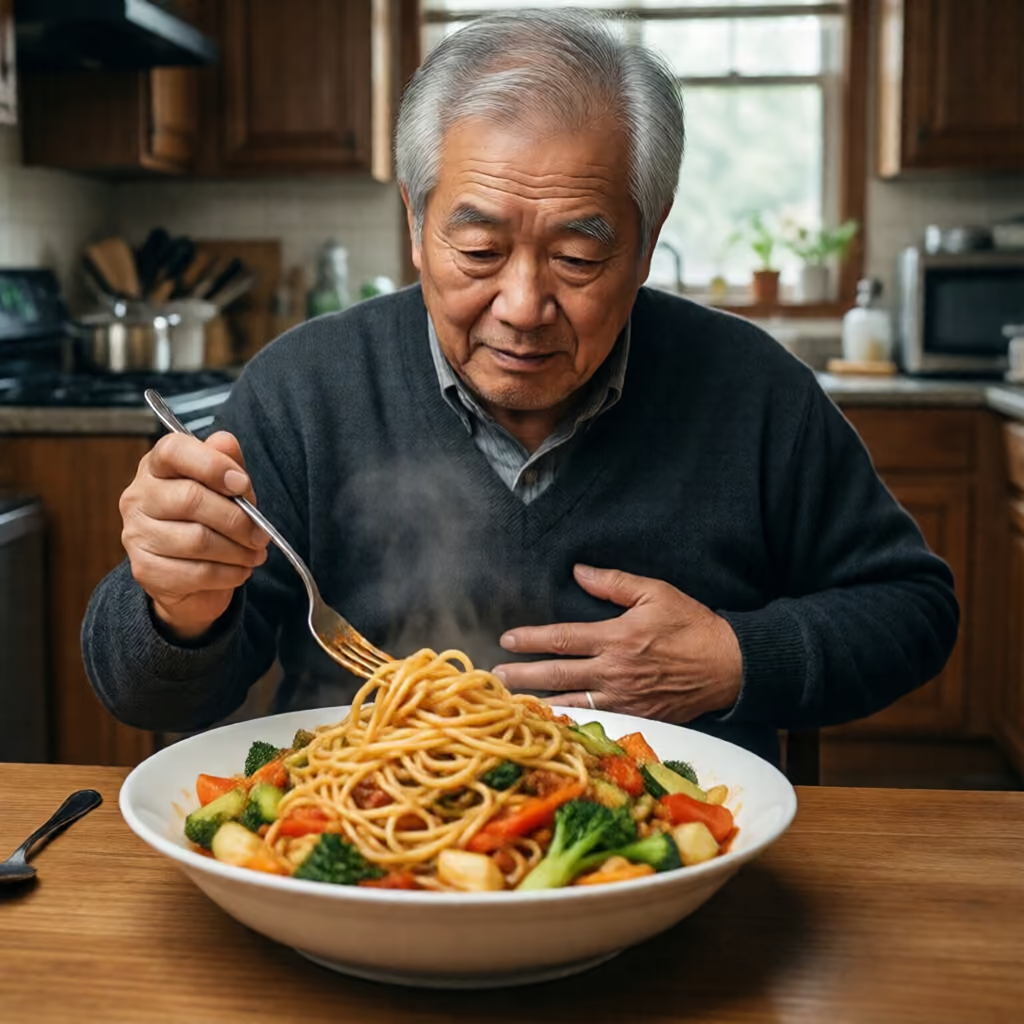
to eat
Colloquial: to be able to eat or drink a certain amount.
Die Portion war so groß, dass ich sie nicht ganz wegbekommen habe.
The portion was so large that I couldn't eat it all.

to get through
Colloquial: to be able to complete a certain amount of work or a number of tasks.
Die vielen Bestellungen bekommen wir heute nur weg, wenn alle mithelfen.
We can only get through all the orders today if everyone helps.
| ich | bekomme weg |
|---|---|
| du | bekommst weg |
| er/sie/es | bekommt weg |
| wir | bekommen weg |
| ihr | bekommt weg |
| sie | bekommen weg |
| ich | bekam weg |
|---|---|
| du | bekamst weg |
| er/sie/es | bekam weg |
| wir | bekamen weg |
| ihr | bekamt weg |
| sie | bekamen weg |
| ich | habe wegbekommen |
|---|---|
| du | hast wegbekommen |
| er/sie/es | hat wegbekommen |
| wir | haben wegbekommen |
| ihr | habt wegbekommen |
| sie | haben wegbekommen |
| du | bekomm weg! |
|---|---|
| ihr | bekommt weg! |
| Sie | bekommen Sie weg! |
| ich | hatte wegbekommen |
|---|---|
| du | hattest wegbekommen |
| er/sie/es | hatte wegbekommen |
| wir | hatten wegbekommen |
| ihr | hattet wegbekommen |
| sie | hatten wegbekommen |
| ich | werde wegbekommen |
|---|---|
| du | wirst wegbekommen |
| er/sie/es | wird wegbekommen |
| wir | werden wegbekommen |
| ihr | werdet wegbekommen |
| sie | werden wegbekommen |
| ich | bekomme weg |
|---|---|
| du | bekommest weg |
| er/sie/es | bekomme weg |
| wir | bekommen weg |
| ihr | bekommet weg |
| sie | bekommen weg |
Used for reported speech.
| ich | bekäme weg |
|---|---|
| du | bekämest weg |
| er/sie/es | bekäme weg |
| wir | bekämen weg |
| ihr | bekämet weg |
| sie | bekämen weg |
Used for wishes and “would”.
| infinitive | wegbekommen |
|---|---|
| with zu | wegzubekommen |
| present participle | wegbekommend |
| past participle | wegbekommen |
'Wegbekommen' consists of 'weg' (away) and 'bekommen' (to get) and is separable. In a main clause, 'weg' comes at the end with a simple verb form; in a subordinate clause, the verb remains together. With the infinitive preceded by 'zu', 'zu' comes between 'weg' and 'bekommen'.
Ich bekomme den Fleck nicht weg.
I can't get the stain out.
Es ärgert mich, dass ich den Fleck nicht wegbekomme.
It annoys me that I can't get the stain out.
Ich versuche, den Fleck wegzubekommen.
I'm trying to get the stain out.
With 'jemanden oder etwas von etwas wegbekommen' (to get someone or something away from somewhere), you can specify the place from which a person or thing is to be removed. The preposition 'von' is followed by the dative.
Wie bekommen wir den Kaugummi vom Teppich weg?
How do we get the chewing gum off the carpet?
When eating and drinking, 'wegbekommen' often occurs with 'nicht ganz' (not all), 'kaum' (hardly), or 'noch' (still). These expressions describe whether you can manage an amount despite its size or despite not being very hungry or thirsty.
Nach der Suppe bekomme ich höchstens noch ein kleines Stück Kuchen weg.
After the soup, I can manage at most one more small piece of cake.
With work, quantity expressions such as 'viel Arbeit' (a lot of work), 'alle Aufträge' (all the orders), or 'den ganzen Stapel' (the whole pile) are typical. A time expression such as 'heute noch' (still today) or 'bis morgen' (by tomorrow) is often added because the focus is on how much can be completed in the available time.
Bekommst du die restlichen Aufträge bis Freitag weg?
Can you get through the remaining orders by Friday?