


die Weite
expanse
A large spatial expanse or a vast, open area.
EXAMPLE
Die Weite der Landschaft beeindruckte alle Reisenden.
The expanse of the landscape impressed all the travelers.
expanse / width / distance
die Weite, die Weiten
Loading your saved state.
expanse
A large spatial expanse or a vast, open area.
Die Weite der Landschaft beeindruckte alle Reisenden.
The expanse of the landscape impressed all the travelers.
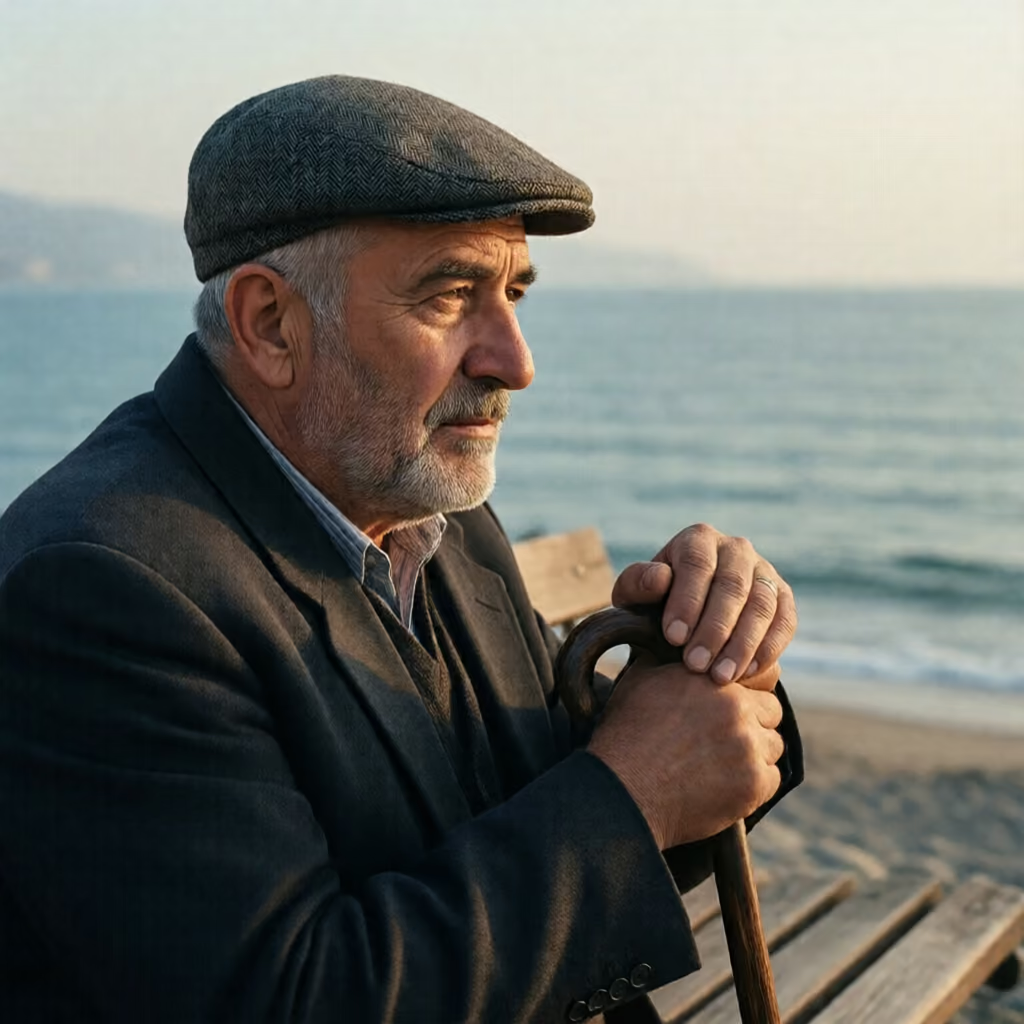
distance
A great distance or the distant area visible from a particular place.
Er blickte lange in die Weite und dachte über seine Zukunft nach.
He gazed into the distance for a long time and thought about his future.
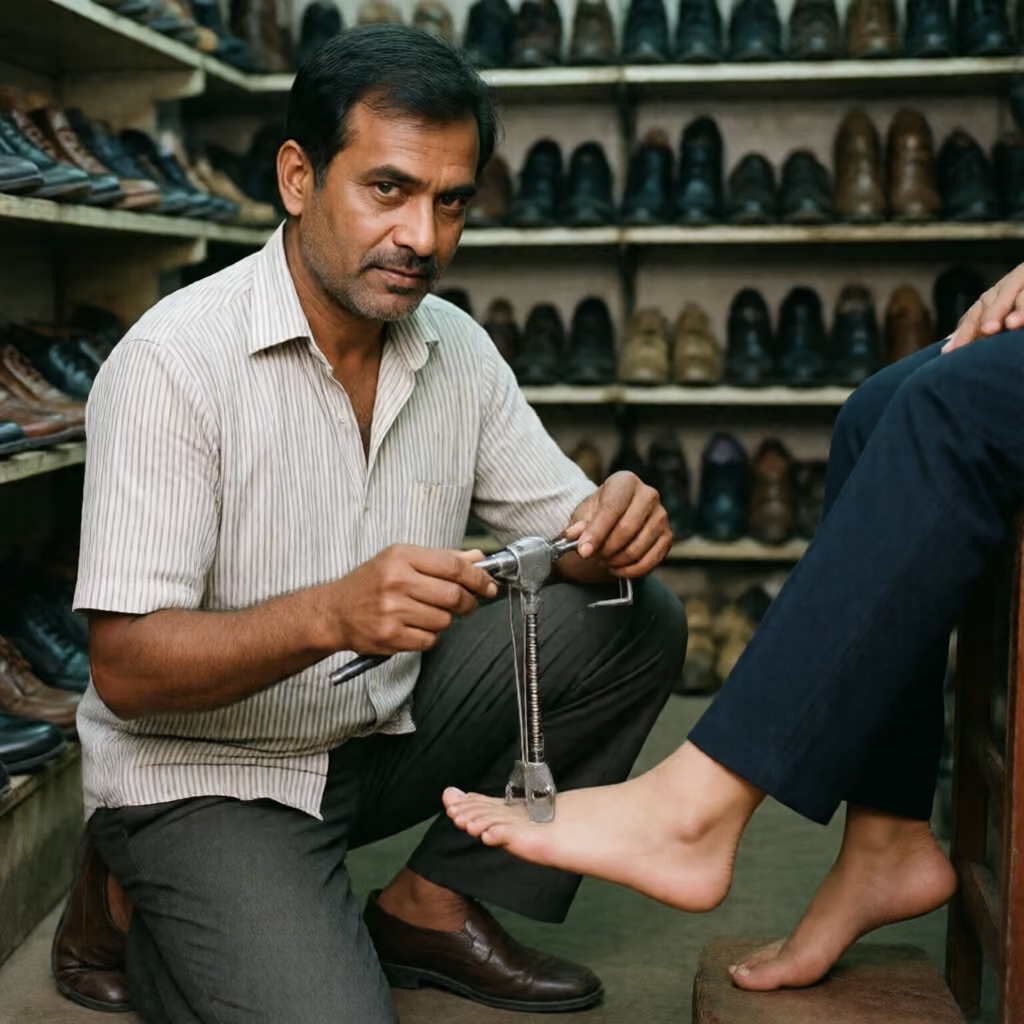
width
The measurement of how wide something is, especially in clothing, shoes, or a body part.
Die Weite des Schuhs passt nicht zu meinem Fuß.
The width of the shoe does not fit my foot.

distance
The distance achieved when jumping, throwing, or putting an object.
Mit einer Weite von 7,80 Metern gewann er den Weitsprung.
He won the long jump with a distance of 7.80 meters.
| gender | feminine die |
|---|---|
| plural | die Weiten |
| genitive | der Weite |
| singular | plural | |
|---|---|---|
| nominative | die Weite | die Weiten |
| accusative | die Weite | die Weiten |
| dative | der Weite | den Weiten |
| genitive | der Weite | der Weiten |
The article changes with the case; it is shown in colour.
'Weite' (expanse / width / distance) belongs to the adjective 'weit' (wide / far). This connection helps with understanding: Depending on the context, the noun refers to a spatial quality or a measurement.
Wie weit das Land ist, erkennt man erst beim Blick über die Weite der Ebene.
You only realize how vast the land is when you look across the expanse of the plain.
When describing landscapes, 'endlose Weite' (endless expanse) and 'unendliche Weite' (infinite expanse) are typical collocations. These expressions emphasize the impression of a space without visible boundaries and are not meant as precise measurements.
Wir genossen die scheinbar endlose Weite der Wüste.
We enjoyed the seemingly endless expanse of the desert.
With verbs of seeing, 'in die Weite' (into the distance) is frequently used, as in 'in die Weite blicken' (to gaze into the distance) or 'in die Weite schauen' (to look into the distance). Here, 'in' takes the accusative because the direction of the gaze is meant.
Vom Balkon aus schaute sie in die Weite.
From the balcony, she looked into the distance.
With clothing, 'die Weite regulieren' (to adjust the width) and 'in der Weite verstellbar' (adjustable in width) are typical collocations. They often appear in product descriptions when a piece of clothing can be adjusted with a tie or fastening.
Mit dem Band im Bund lässt sich die Weite der Hose regulieren.
The width of the trousers can be adjusted with the tie in the waistband.