


weiter
on / onward
Continuing in a movement or activity; forward or beyond the previous point.
EXAMPLE
Nach einer kurzen Pause gingen wir weiter.
After a short break, we continued on.
further / on
Loading your saved state.
on / onward
Continuing in a movement or activity; forward or beyond the previous point.
Nach einer kurzen Pause gingen wir weiter.
After a short break, we continued on.

further
Additionally or beyond what has already been mentioned.
Weiter ist zu beachten, dass die Frist am Freitag endet.
Furthermore, it should be noted that the deadline is on Friday.
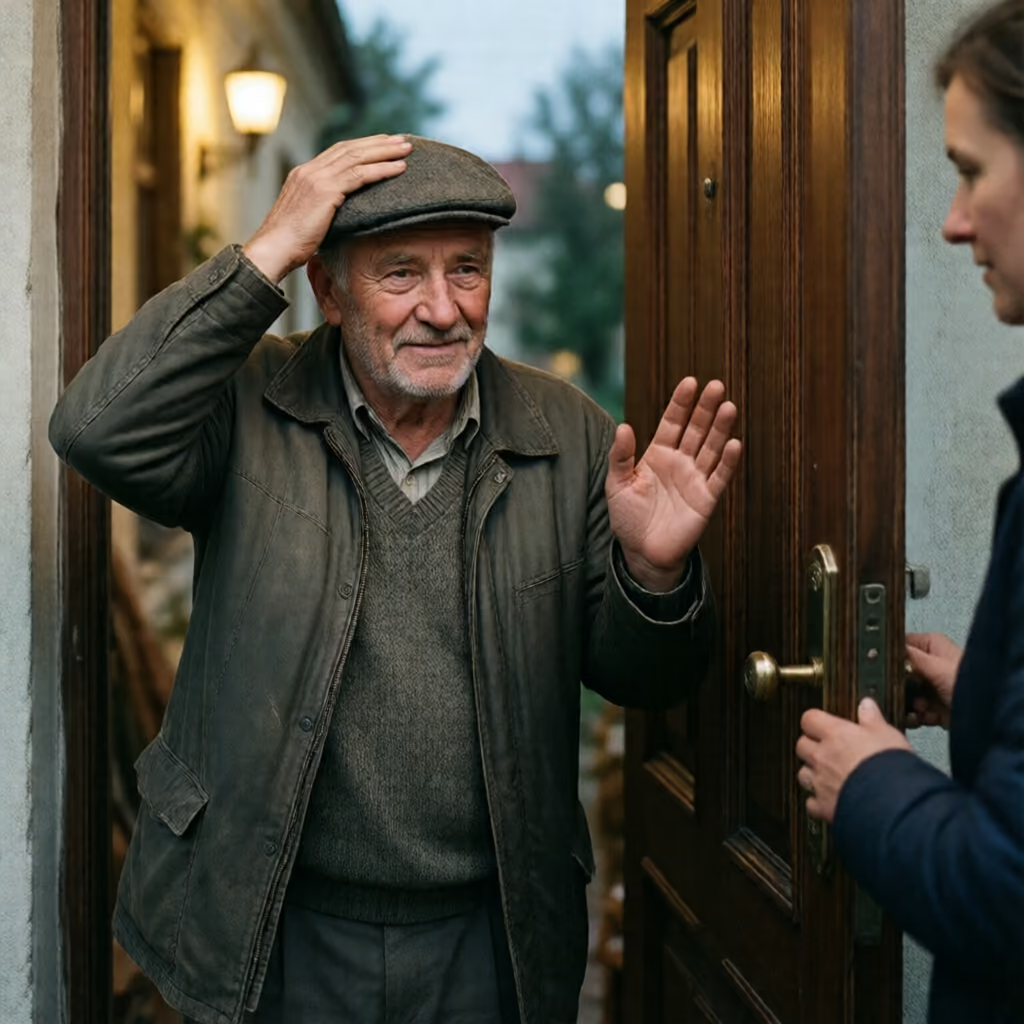
nothing else
Nothing additional or different from what has already been mentioned.
Ich wollte weiter nichts, als dir kurz Bescheid zu sagen.
I wanted nothing else but to let you know briefly.

not particularly
Not especially or to any noticeable degree; usually used in the expression “not particularly serious” or similar expressions.
Der kleine Fehler ist nicht weiter schlimm.
The small mistake is not particularly serious.

still
Continuing to exist as before or also existing in the future; continuing.
Die Regel gilt weiter für alle Mitarbeitenden.
The rule still applies to all employees.
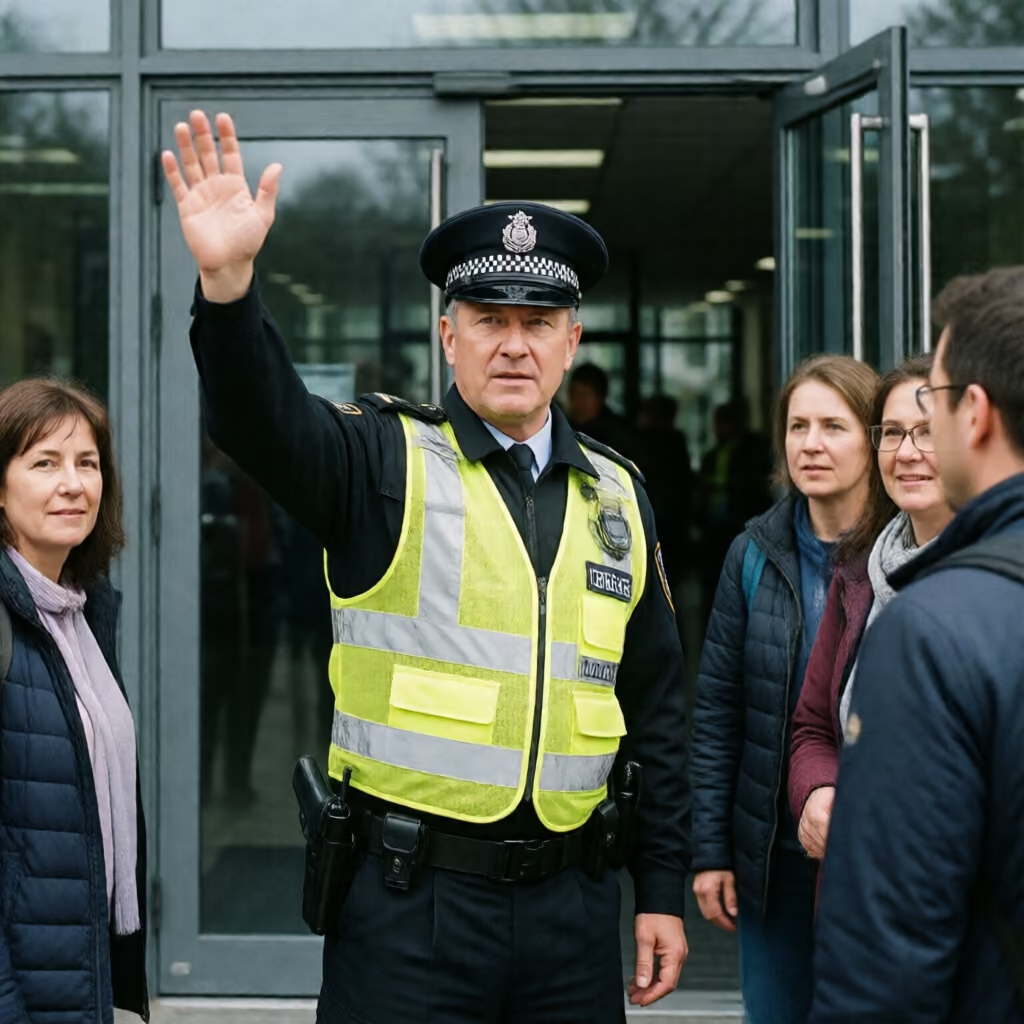
keep going!
An instruction to continue, move forward, or go to the next place or stop.
Bitte weiter, hier ist kein Eingang.
Please keep going; there is no entrance here.
With verbs of movement or direction, “weiter” (on / onward) usually refers to the next part of a route. With verbs describing activities or developments, it often indicates that something is continuing; the verb in the sentence provides the most important clue.
Fahren Sie an der Ampel einfach geradeaus weiter.
Simply continue straight ahead at the traffic lights.
Die Gespräche gingen trotz der Unterbrechung weiter.
The talks continued despite the interruption.
To express the continuation of a movement or activity, “weiter” (on) is often used with verbs such as “gehen” (to go), “fahren” (to drive), “laufen” (to run), “machen” (to do), or “sprechen” (to speak).
Obwohl es zu regnen begann, liefen die Sportler weiter.
Although it began to rain, the athletes kept running.
In the meaning “zusätzlich” (additionally), “weiter” (further) often appears in factual questions or instructions, for example in the expressions “weiter zu beachten” (to be further noted) or “weiter zu prüfen” (to be examined further).
Was ist bei der Anmeldung weiter zu beachten?
What else needs to be considered when registering?
“Weiter nichts” (nothing else) is often used with “als” (but) and limits a statement: there is nothing additional besides what has been mentioned. The fixed expression is “weiter nichts als” (nothing else but).
Sie wollte weiter nichts als einen ruhigen Abend zu Hause.
She wanted nothing else but a quiet evening at home.
In the expression “nicht weiter” (not particularly), it is often followed by an adjective, especially when giving a reassuring assessment. The construction “nicht weiter schlimm” (not particularly serious) describes something as only mildly problematic.
Die Verspätung ist nicht weiter schlimm.
The delay is not particularly serious.
When “weiter” (still) describes a situation that continues to exist, it is often used with verbs such as “gelten” (to apply), “bestehen” (to exist), “arbeiten” (to work), or “wohnen” (to live). The sentence then refers to the time after a particular point.
Auch nach dem Umzug arbeitete sie weiter in derselben Firma.
Even after moving, she continued to work for the same company.
As a call on its own, “Weiter!” (Keep going!) is a direct instruction to move on or make room for others. This use is especially common in spoken situations.
Los, weiter, wir haben keine Zeit zu verlieren!
Come on, keep going—we have no time to lose!