

gerne
gladly / like to
Expresses that you do something with pleasure or are willing to do it. It can also show that you like or prefer something.
EXAMPLE
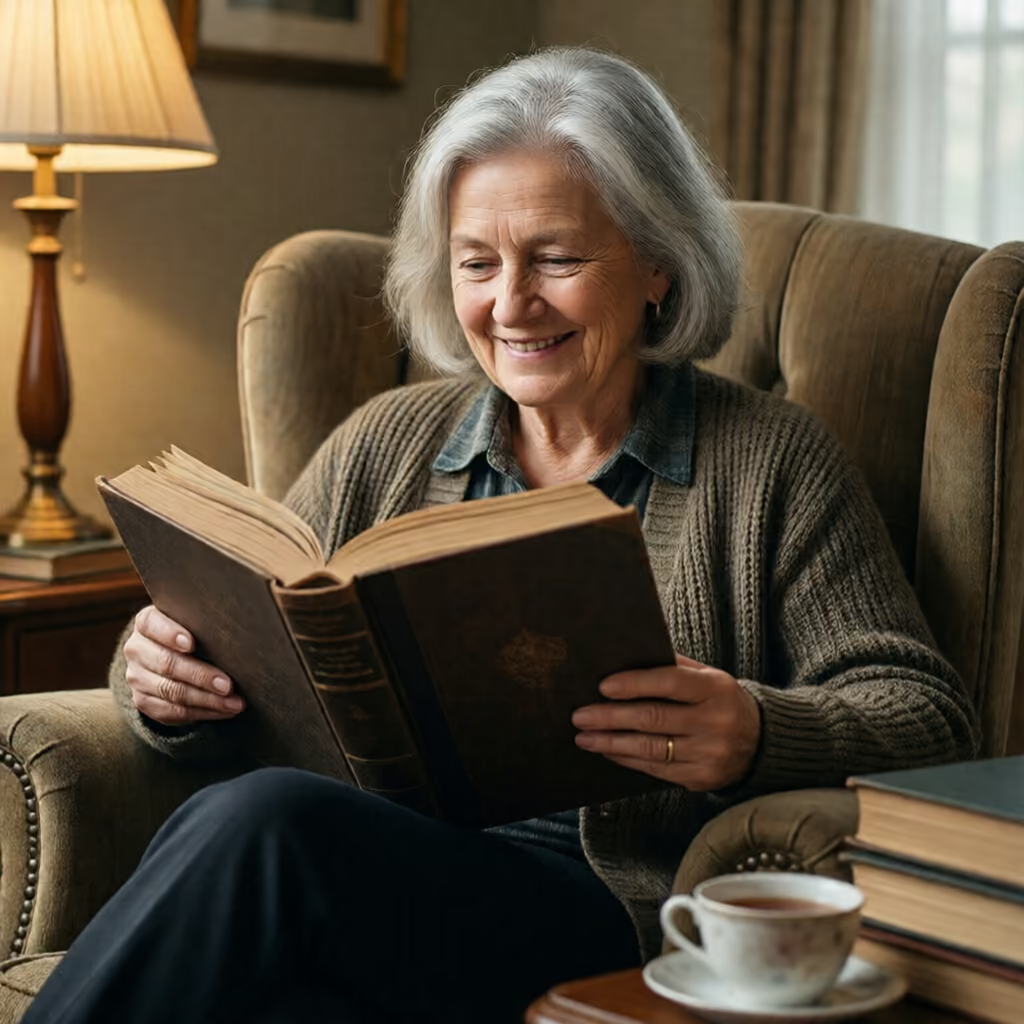
Ich lese gerne historische Romane.
I like reading historical novels.
gladly / like to
Loading your saved state.
gladly / like to
Expresses that you do something with pleasure or are willing to do it. It can also show that you like or prefer something.
Ich lese gerne historische Romane.
I like reading historical novels.

you're welcome
A polite response to thanks; it means that you were happy to do something and that no thanks are necessary.
Danke, dass du mir geholfen hast! – Gerne geschehen.
Thanks for helping me! – You're welcome.

often / easily
Expresses that something happens often or easily; it roughly means “usually” or “frequently.”
Solche kleinen Details werden im Alltag gerne übersehen.
Small details like these are often overlooked in everyday life.
'Gerne' (gladly / like to) often comes after the conjugated verb and before other parts of the sentence. However, it can also appear at the end of the sentence, especially when willingness or pleasure is emphasized.
Ich helfe dir gerne bei der Vorbereitung.
I’d be happy to help you with the preparations.
'Gerne' (gladly / like to) is often used with verbs for leisure activities, habits, and voluntary actions. Typical patterns are 'gerne lesen' (to like reading), 'gerne kochen' (to like cooking), and 'gerne helfen' (to like helping).
Wir kochen gerne gemeinsam.
We like cooking together.
'Gerne geschehen' (you're welcome) is a fixed polite response to 'Danke' (thank you). The expression is especially used when presenting one's help as something natural or voluntary.
Danke für deine schnelle Antwort! – Gerne geschehen.
Thanks for your quick reply! – You're welcome.