

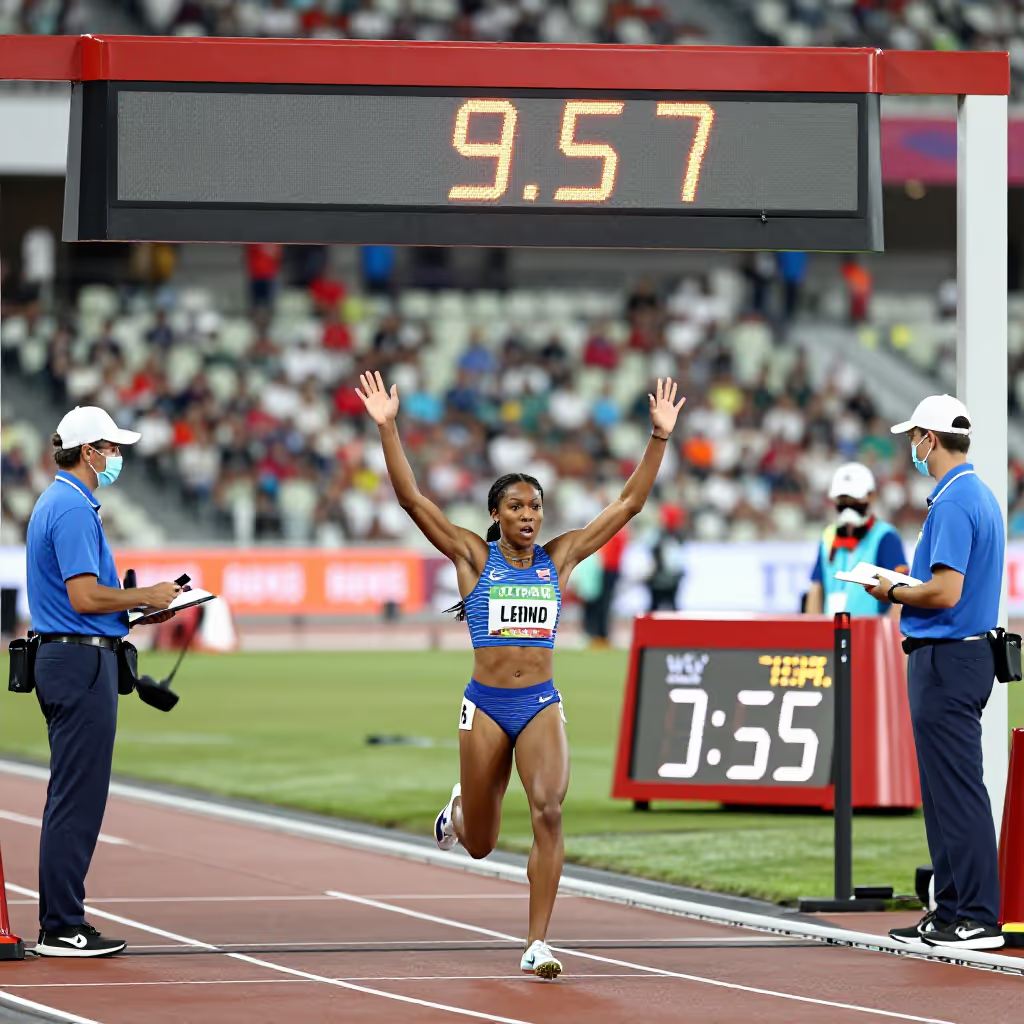
The best performance ever achieved worldwide and officially recognized in a particular discipline, especially in sports.
example
Die Schwimmerin hat beim Wettkampf einen neuen Weltrekord aufgestellt.
The swimmer set a new world record at the competition.
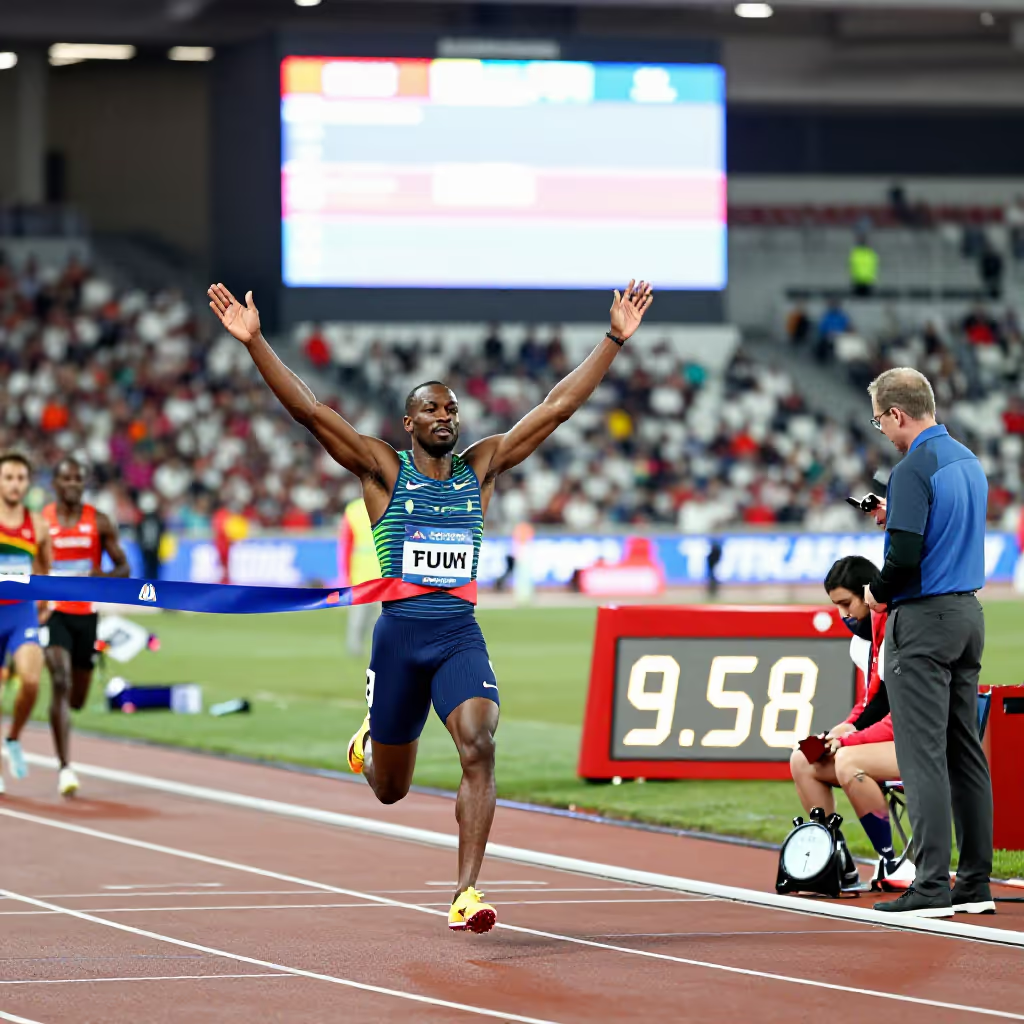
Usage tips
Compound word
The word is a simple compound made from 'die Welt' (the world) and 'der Rekord' (record). So it literally means a record that is valid throughout the whole world.
EXAMPLE
Sein Sprung war nicht nur eine persönliche Bestleistung, sondern ein neuer Weltrekord.
His jump was not only a personal best, but a new world record.
Typical verbs
Very specific verbs are often used with 'Weltrekord' (world record): you can 'aufstellen' (set), 'brechen' (break), 'halten' (hold), or 'verbessern' (improve) a world record.
EXAMPLE
Der Athlet versuchte, den bestehenden Weltrekord zu brechen.
The athlete tried to break the existing world record.
Sentence structure and usage
To name the discipline in which the record was set, you use the preposition 'in' with the dative.
EXAMPLE
Er stellte einen neuen Weltrekord im Hochsprung auf.
He set a new world record in the high jump.
Compare with
near_synonym · confusable
Weltrekord vs Rekord
record
'der Rekord' and 'der Weltrekord' both mean an especially high or best performance. 'Rekord' is more general: it can apply in a club, a school, a city, or even to a weather value. 'Weltrekord' is more specific and means that the performance is the best in the world and is usually officially recognized. Learners may confuse the words because every world record is also a record. But not every record is a world record. If you are not sure whether the performance is the best worldwide, 'Rekord' is safer.
Weltrekord
Der Schwimmer brach den Weltrekord über 100 Meter Freistil.
The swimmer broke the world record in the 100-meter freestyle.
Rekord
Beim Stadtlauf stellt Lena einen neuen Rekord für ihre Altersgruppe auf.
At the city run, Lena sets a new record for her age group.