


der Wildfang
wild child
A lively, unruly child who is difficult to control.
EXAMPLE
Der kleine Wildfang rannte den ganzen Nachmittag durch den Garten.
The little wild child ran around the garden all afternoon.
wild child / wild catch
der Wildfang, die Wildfänge
Loading your saved state.
wild child
A lively, unruly child who is difficult to control.
Der kleine Wildfang rannte den ganzen Nachmittag durch den Garten.
The little wild child ran around the garden all afternoon.
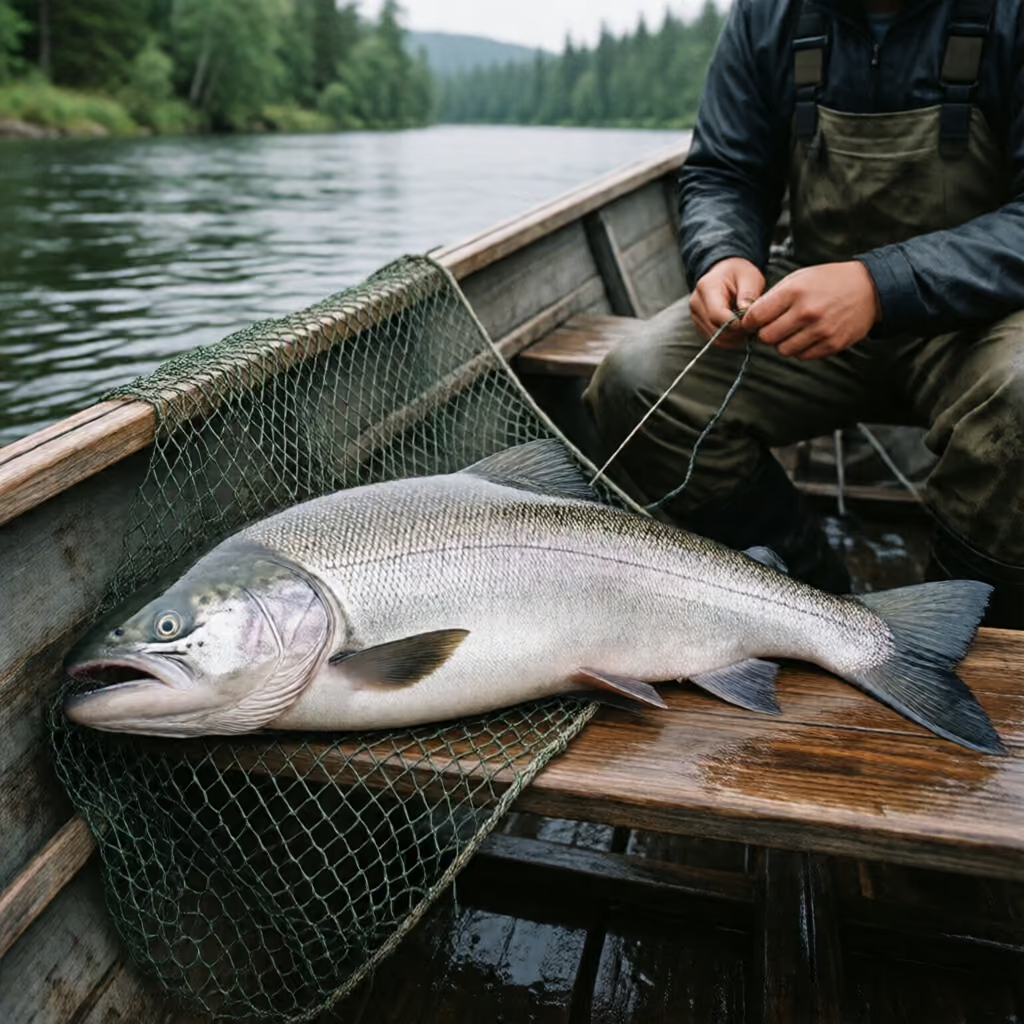
wild catch
An animal caught in the wild, as opposed to an animal raised in captivity or through breeding. The term is also used for the catching of wild animals.
Dieser Lachs stammt aus Wildfang.
This salmon was caught in the wild.
| gender | masculine der |
|---|---|
| plural | die Wildfänge |
| genitive | des Wildfanges |
| singular | plural | |
|---|---|---|
| nominative | der Wildfang | die Wildfänge |
| accusative | den Wildfang | die Wildfänge |
| dative | dem Wildfang | den Wildfängen |
| genitive | des Wildfanges des Wildfangs | der Wildfänge |
The article changes with the case; it is shown in colour.
'Wildfang' is made up of 'wild' and 'Fang' (catch). The word figuratively presents a lively child as someone who can hardly be 'caught' or tamed.
Der kleine Wildfang kletterte trotz des Verbots auf den Baum.
Despite being told not to, the little wild child climbed the tree.
'Wildfang' often appears with words such as 'klein' (little), 'lebhaft' (lively), or 'frech' (cheeky). The phrase 'ein echter Wildfang' (a real wild child) is also very common.
Ihre Tochter ist ein echter Wildfang und sitzt kaum eine Minute still.
Her daughter is a real wild child and hardly sits still for a minute.
'Wildfang' is used mainly for children and usually sounds informal. Depending on the situation, the word can be affectionate, amused, or mildly critical.
Die Großmutter lächelte, als der kleine Wildfang wieder laut durch das Haus rannte.
The grandmother smiled as the little wild child ran noisily through the house again.