

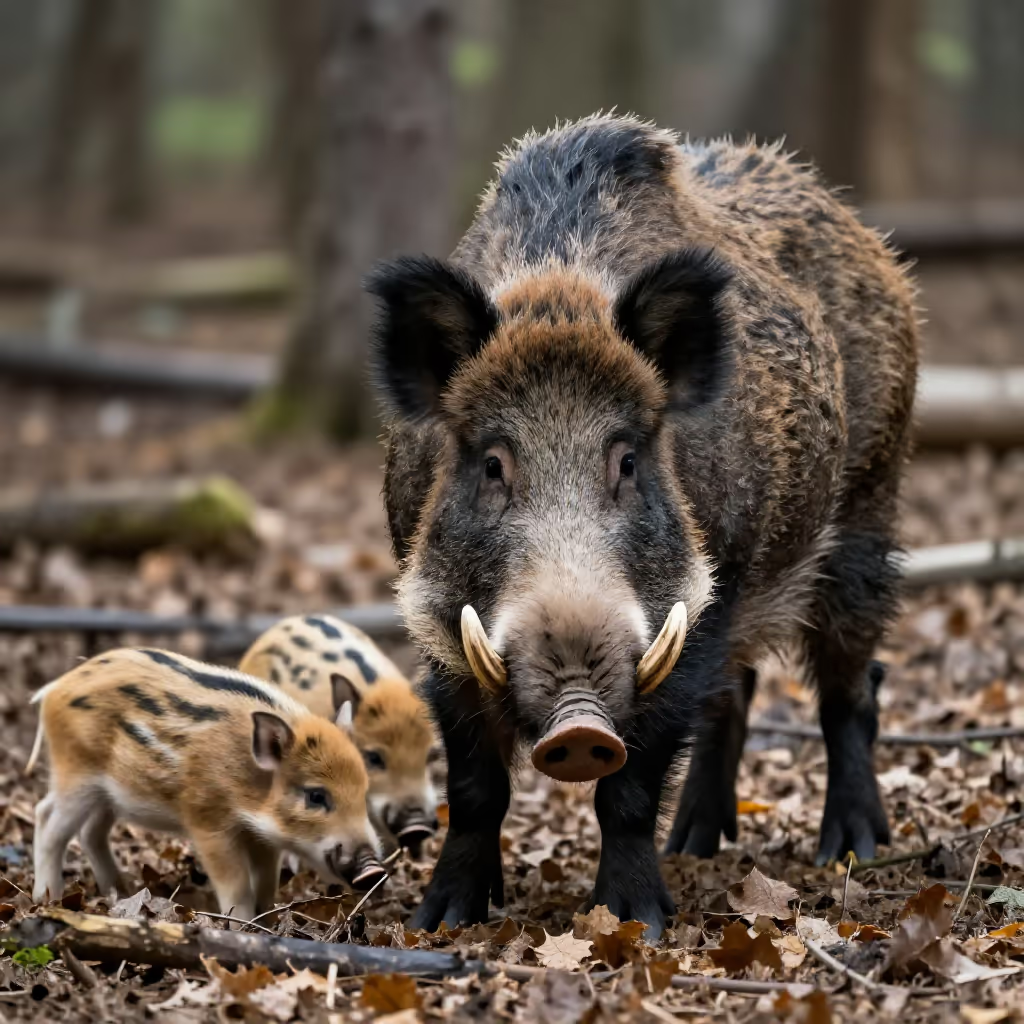
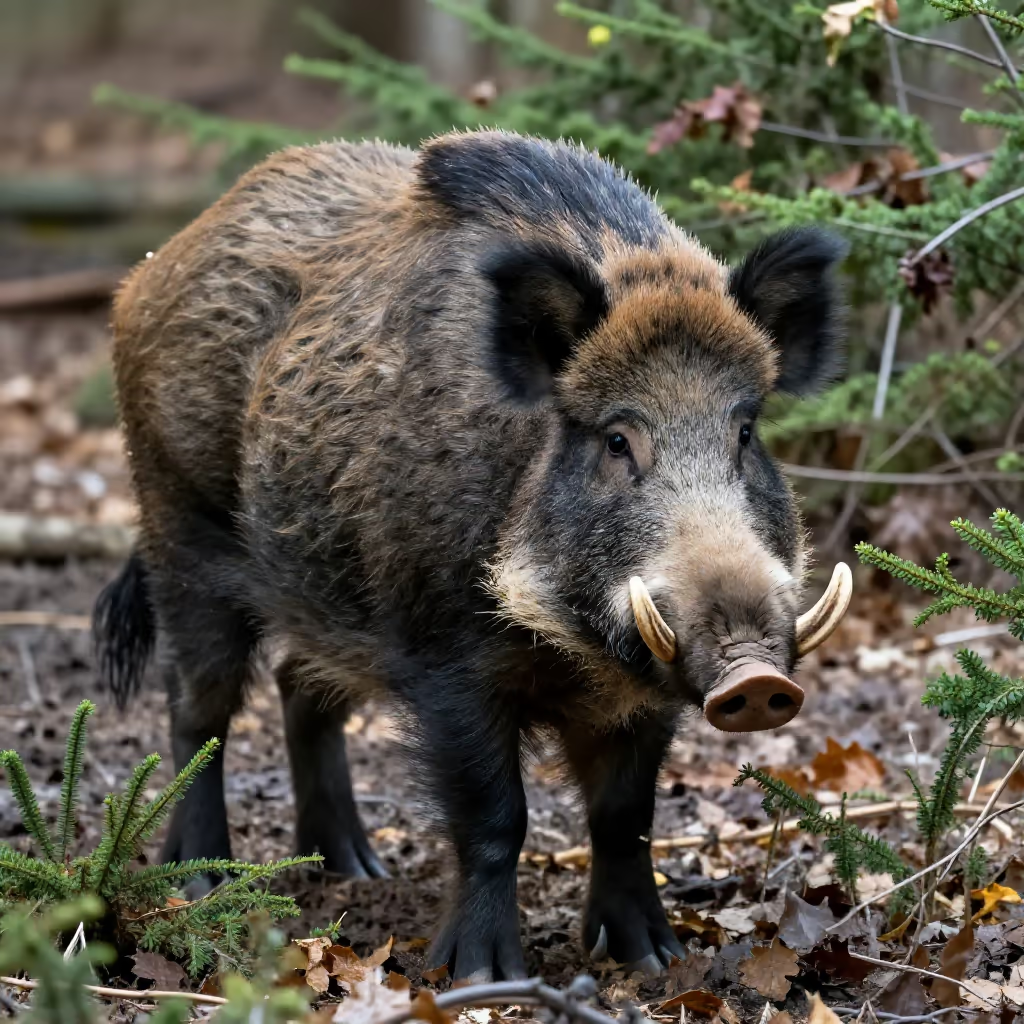
A wild pig that lives in forests, with dark, bristly fur and, in males, protruding canine teeth called tusks.
example
Bei der Wanderung haben wir Spuren von einem Wildschwein entdeckt.
On the hike, we discovered tracks from a wild boar.
Usage tips
Word composition
The word is simply made up of 'wild' (wild) and 'Schwein' (pig). So it literally means 'wild pig'.
EXAMPLE
Im Wald warnt ein Schild vor Wildschweinen.
In the forest, a sign warns about wild boars.
Typical verbs
In connection with wild boars in nature, you often hear the verbs 'sehen' (to see), 'begegnen' (to encounter), 'jagen' (to hunt), or 'füttern' (to feed), which you should not do.
EXAMPLE
Wir sind auf unserer Wanderung zum Glück keinem Wildschwein begegnet.
Luckily, we didn't encounter any wild boars on our hike.
Context: food
The word 'Wildschwein' (wild boar) is also used for the meat of the animal. Especially in autumn and winter, you find dishes like 'Wildschweinbraten' (roast wild boar) or 'Wildschweingulasch' (wild boar goulash) on menus.
EXAMPLE
In diesem Restaurant kann man sehr gut Wildschwein essen.
You can eat very good wild boar at this restaurant.
Compare with
confusable
Wildschwein vs Sau
sow / pig
'Sau' and 'Wildschwein' can both refer to animals from the pig family, but they do not mean the same thing. A 'Sau' is a female domestic pig, especially on a farm. A 'Wildschwein' lives freely in nature, for example in the forest. The words can be confused because both have to do with pigs. If you are talking about an animal in the forest, 'Wildschwein' is correct. If you are talking about a female domestic pig, 'Sau' fits.
Wildschwein
Am Waldrand sucht ein Wildschwein nach Futter.
At the edge of the forest, a wild boar is looking for food.