

sich winden
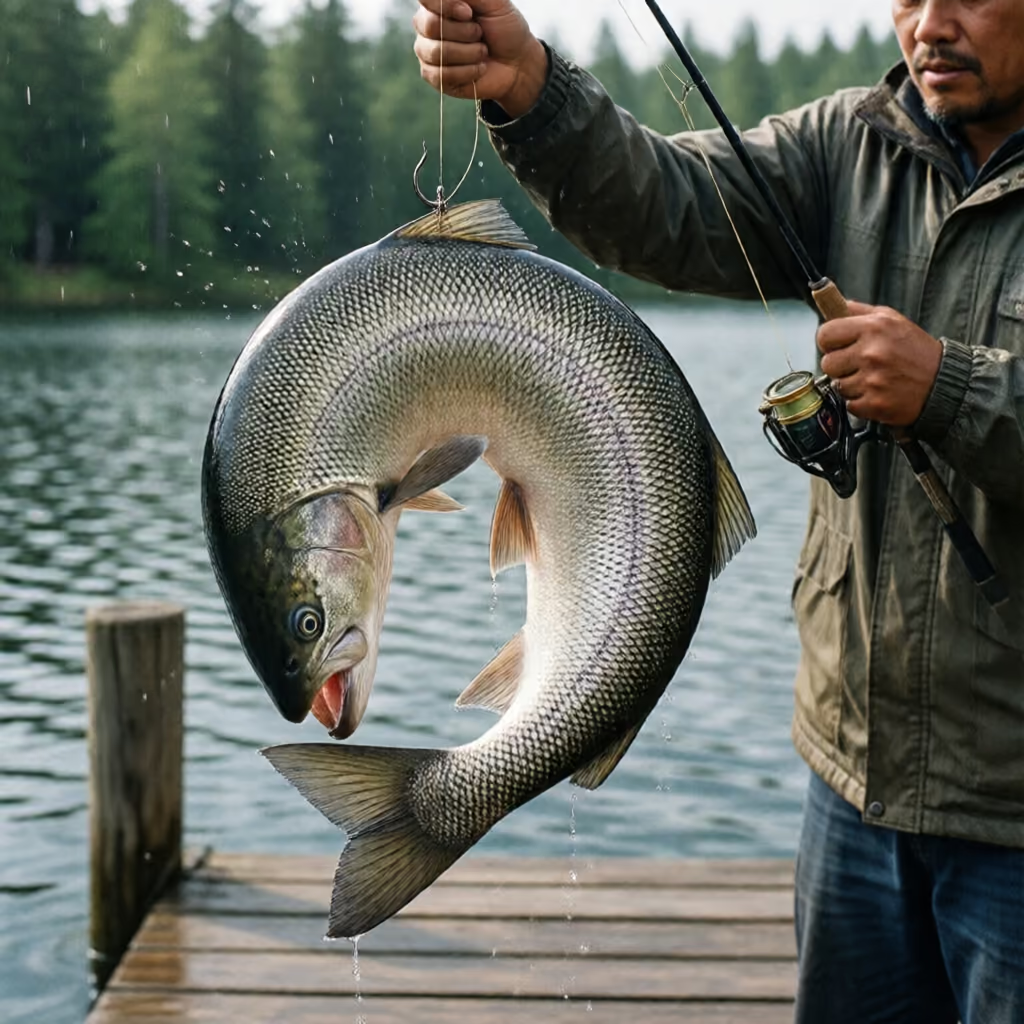
to writhe
To twist the body violently from side to side, especially because of pain or because one is being held.
EXAMPLE
Der Fisch wand sich heftig am Haken.
The fish writhed violently on the hook.
to wind
winden – wand – hat gewunden
Loading your saved state.
to writhe
To twist the body violently from side to side, especially because of pain or because one is being held.
Der Fisch wand sich heftig am Haken.
The fish writhed violently on the hook.

to wind
To run in many curves or bends. For climbing plants, it also means to twist around a support as they grow.
Die Bergstraße windet sich in engen Kurven nach oben.
The mountain road winds upward in tight curves.

to evade
To try to avoid an unpleasant question, a clear statement, or an obligation by making excuses.
Als sie ihn nach seiner Verantwortung fragte, wand er sich und gab keine klare Antwort.
When she asked him about his responsibility, he evaded the question and gave no clear answer.
to wind around
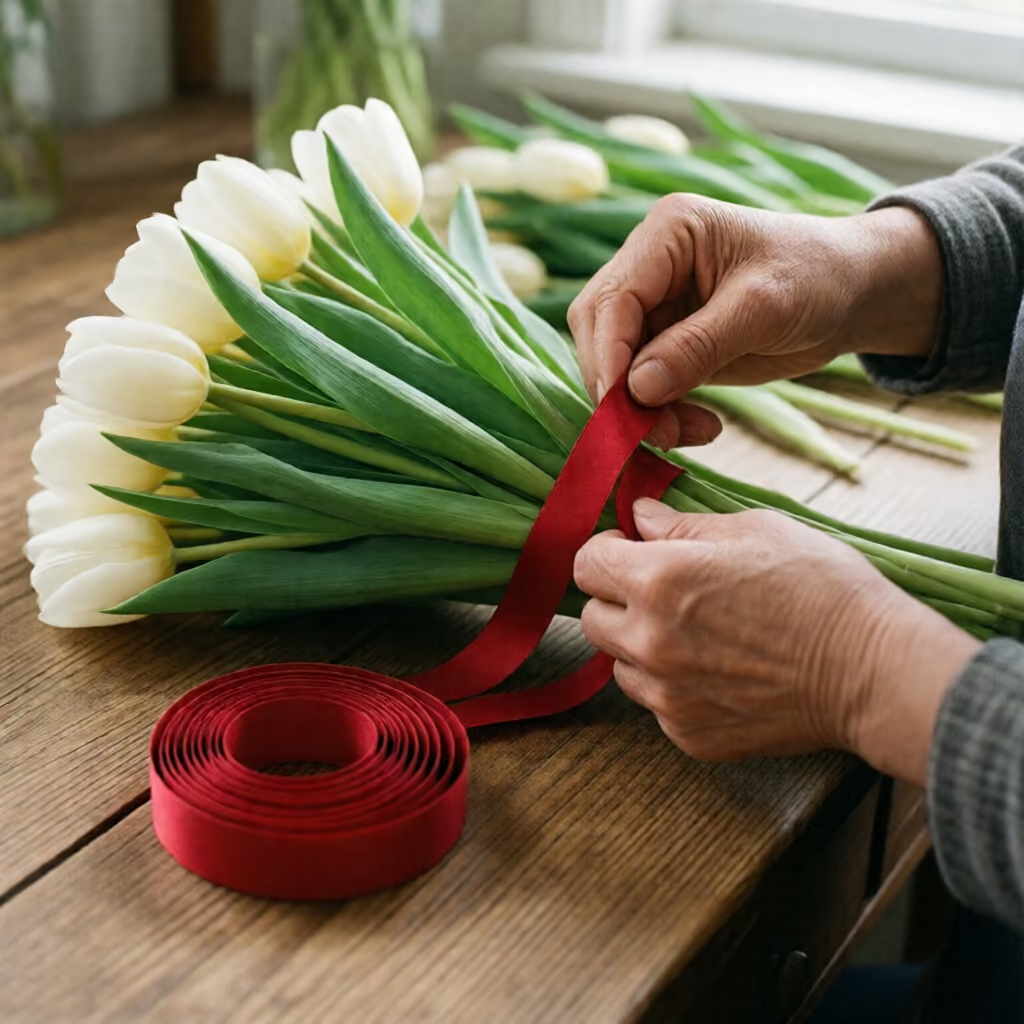
To wrap something around someone or something in loops or coils.
Sie wand ein rotes Band um den Blumenstrauß.
She wound a red ribbon around the bouquet.

to wriggle out of something
To free oneself from a grip or another form of physical restraint through skillful twisting and movement.
Das Kind wand sich aus dem Griff seines Bruders.
The child wriggled out of his brother's grip.

to weave
To intertwine or interlace flexible parts so that they form a wreath or something similar.
Die Kinder wanden einen Kranz aus Weidenzweigen und Blumen.
The children wove a wreath from willow branches and flowers.

to winch
To lift or pull a load using a winch.
Die Arbeiter wanden die schwere Last mit einer Handwinde in die Höhe.
The workers winched the heavy load upward with a hand winch.
| ich | winde |
|---|---|
| du | windest |
| er/sie/es | windet |
| wir | winden |
| ihr | windet |
| sie | winden |
| ich | wand |
|---|---|
| du | wandest wandst |
| er/sie/es | wand windete |
| wir | wanden |
| ihr | wandet |
| sie | wanden windeten |
| ich | habe gewunden |
|---|---|
| du | hast gewunden |
| er/sie/es | hat gewunden hat gewindet |
| wir | haben gewunden |
| ihr | habt gewunden |
| sie | haben gewunden haben gewindet |
| du | winde! wind! |
|---|---|
| ihr | windet! |
| Sie | winden Sie! |
| ich | hatte gewunden |
|---|---|
| du | hattest gewunden |
| er/sie/es | hatte gewunden hatte gewindet |
| wir | hatten gewunden |
| ihr | hattet gewunden |
| sie | hatten gewunden hatten gewindet |
| ich | werde winden |
|---|---|
| du | wirst winden |
| er/sie/es | wird winden |
| wir | werden winden |
| ihr | werdet winden |
| sie | werden winden |
| ich | winde |
|---|---|
| du | windest |
| er/sie/es | winde |
| wir | winden |
| ihr | windet |
| sie | winden |
Used for reported speech.
| ich | wände |
|---|---|
| du | wändest |
| er/sie/es | wände windete |
| wir | wänden |
| ihr | wändet |
| sie | wänden windeten |
Used for wishes and “would”.
| infinitive | winden |
|---|---|
| with zu | zu winden |
| present participle | windend |
| past participle | gewunden |
In its physical sense, 'sich winden' (to writhe) is often used with 'vor Schmerzen' (in pain / from pain). The preposition 'vor' indicates the reason for the violent movements.
Der Patient wand sich vor starken Rückenschmerzen im Bett.
The patient writhed in bed from severe back pain.
For paths, rivers, or roads, 'sich winden' (to wind) is often used with 'durch' (through) and an accusative noun. For climbing plants, 'sich um' (to wind around) with the accusative describes what the plant twists around.
Die Straße windet sich durch einen dichten Wald.
The road winds through a dense forest.
Die Bohnenpflanze windet sich um das Holzgestell.
The bean plant winds around the wooden frame.
In its figurative sense, the verb is almost always reflexive and is often used in connection with questions or an unpleasant conversation. The person who evades the question remains the subject.
Bei den Fragen nach den Kosten wand sich der Minister wie ein Aal.
When asked about the costs, the minister was as slippery as an eel.
When someone wraps something around their own body, the person is in the dative: 'sich etwas um den Hals, Arm oder Körper winden' (to wind something around one's neck, arm, or body). The material or item of clothing is the accusative object.
Er wand sich ein Tuch um den Kopf, weil es kalt geworden war.
He wound a cloth around his head because it had gotten cold.
When freeing oneself from physical restraint, 'sich aus' (to wriggle out of) is used with the dative. After 'aus', the complement refers to the grip, embrace, or tight space.
Der Hund wand sich aus dem lockeren Geschirr.
The dog wriggled out of the loose harness.
When making a wreath or a similar object, the material is often introduced with 'aus' (from / out of) and the dative. The object being made is the accusative object of 'winden' (to weave).
Zum Erntedankfest wanden die Frauen eine Girlande aus Getreideähren.
For the harvest festival, the women wove a garland from ears of grain.
In its technical sense, the tool is often introduced with 'mit' (with) and the dative. Typical phrases include 'mit einer Winde' (with a winch) or 'mit einer Handwinde' (with a hand winch).
Die Fischer wanden ihr Boot mit einer Seilwinde an den Strand.
The fishermen winched their boat onto the beach with a cable winch.