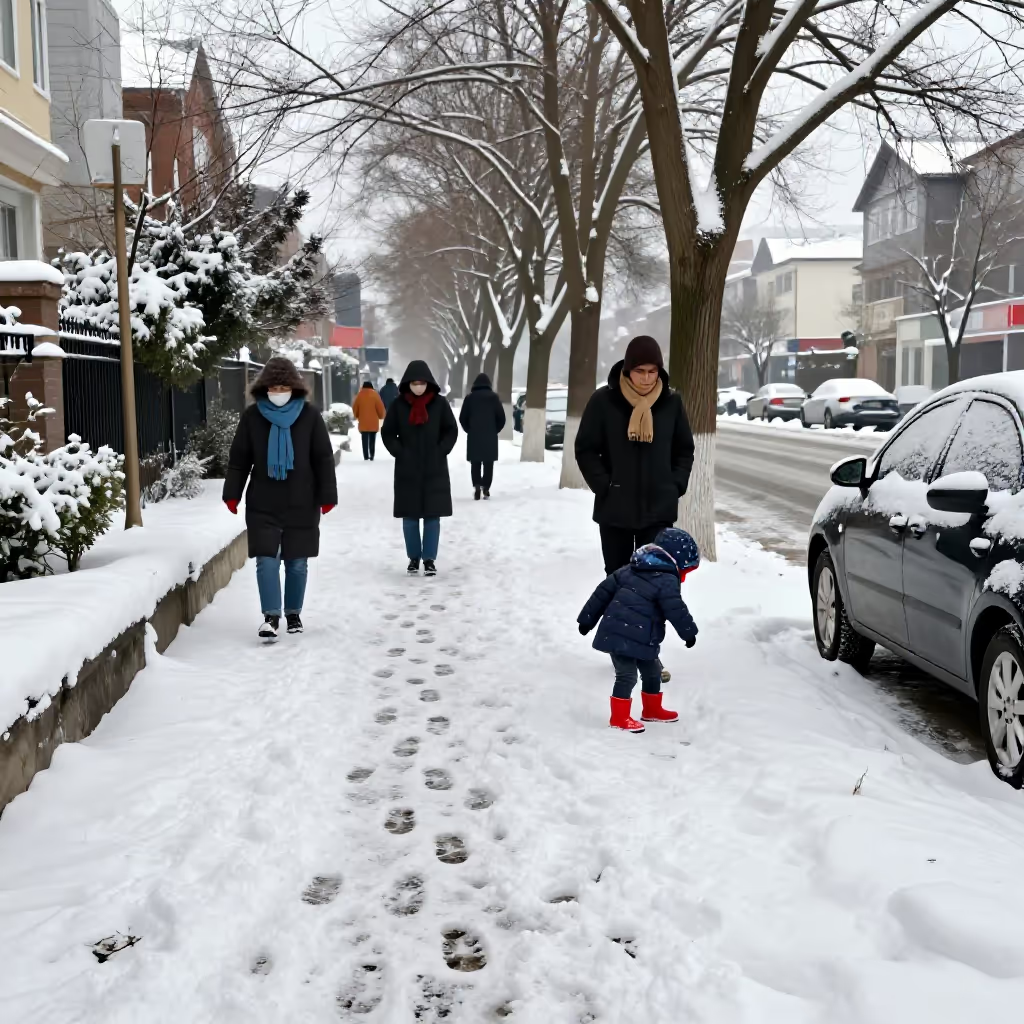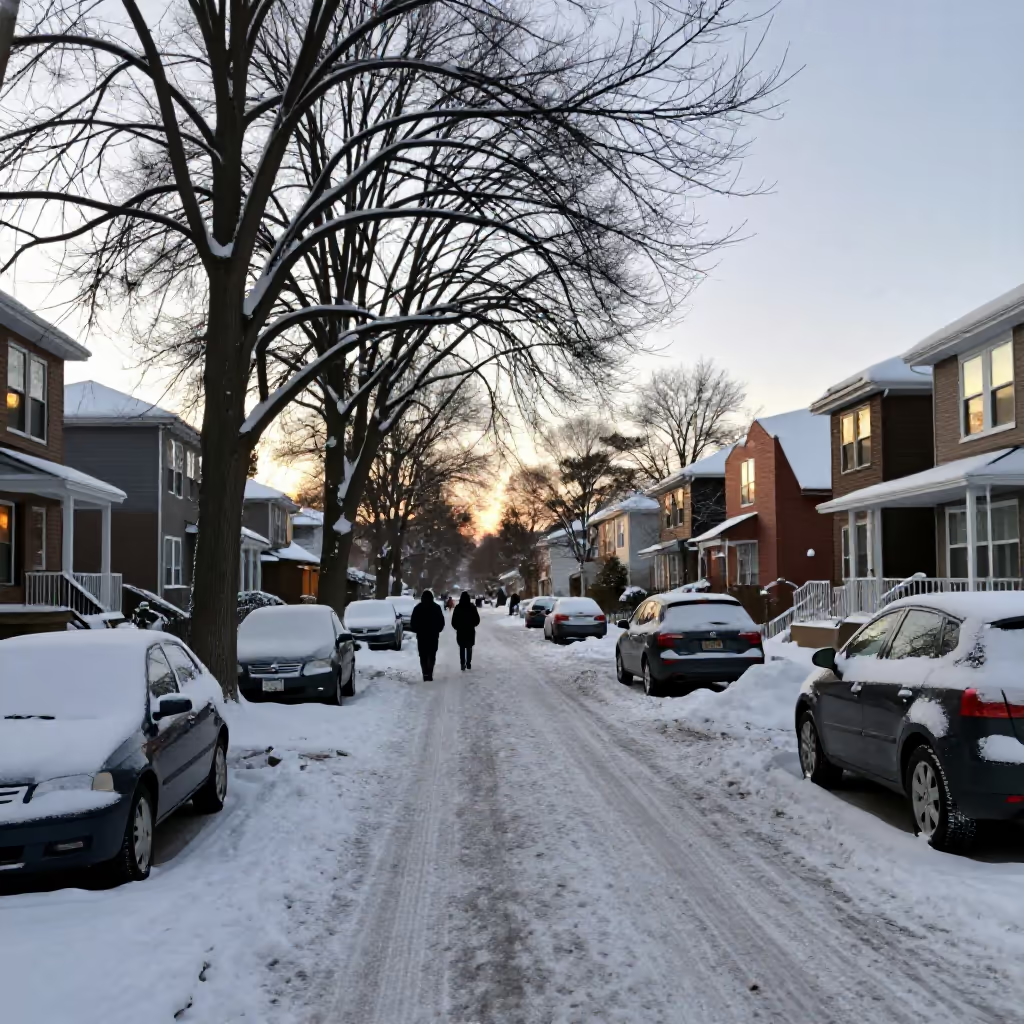
The season of winter, characterized by cold temperatures, snow, and short days.
example
In der Winterzeit machen wir es uns abends gerne mit einer Tasse Tee gemütlich.
In wintertime, we like to make ourselves cozy in the evenings with a cup of tea.
Usage tips
Compound word
The word is a simple compound of 'der Winter' (winter) and 'die Zeit' (time). So it literally means 'the time of winter'.
EXAMPLE
Die Winterzeit ist für mich die schönste Zeit des Jahres.
Wintertime is the most beautiful time of year for me.
Context clue
The meaning depends strongly on the context. If it is about weather, nature, or coziness, the season is meant. If it is about clocks, the time change, or 'Sommerzeit' (daylight saving time), standard time is meant.
EXAMPLE
Während der kalten Winterzeit heizen wir oft den Kamin an.
During the cold wintertime, we often light the fireplace.
Typical adjectives
When the season is meant, 'Winterzeit' (wintertime) is often combined with descriptive adjectives such as 'kalt' (cold), 'dunkel' (dark), 'still' (quiet), or 'gemütlich' (cozy).
EXAMPLE
Wir genießen die gemütliche Winterzeit mit vielen Kerzen.
We enjoy the cozy wintertime with lots of candles.
Fixed expressions
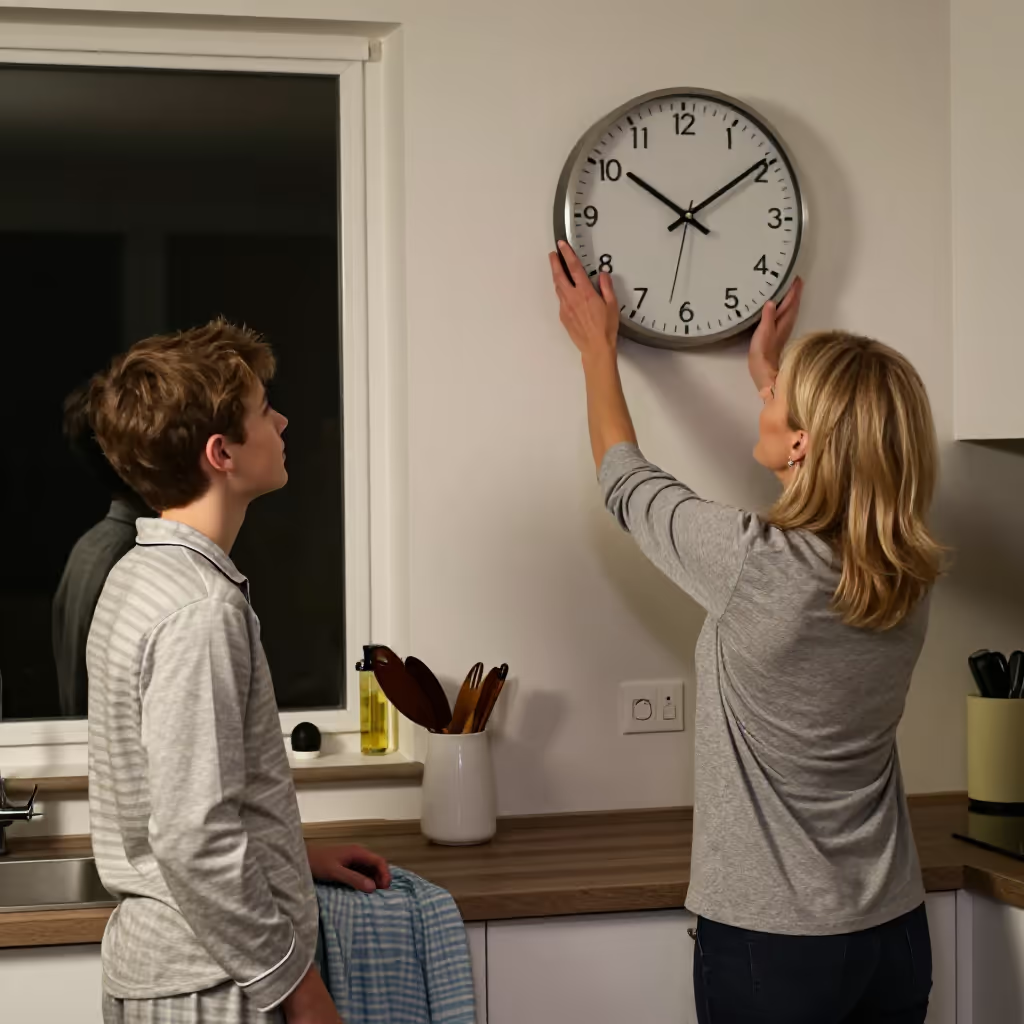
In connection with the time on the clock, there are fixed expressions such as 'die Umstellung auf die Winterzeit' (the switch to standard time) or 'die Uhr auf Winterzeit umstellen' (to set the clock to standard time).
EXAMPLE
Die Umstellung auf die Winterzeit findet immer am letzten Wochenende im Oktober statt.
The switch to standard time always takes place on the last weekend in October.
Compare with
near_synonym · confusable
Winterzeit vs Winter
winter
'der Winter' and 'die Winterzeit' can both refer to the cold season. 'der Winter' is the normal word for the season. 'die Winterzeit' can also refer to this time, but then it often sounds more general, for example when talking about habits during the winter months. The second meaning is important: 'Winterzeit' can also mean standard time after the clock change. That is why the words can be confused. When talking about snow, cold, and the season, 'Winter' is usually more natural. When talking about the time change, you have to say 'Winterzeit'.
Winterzeit
Seit der Umstellung auf die Winterzeit wird es abends früher dunkel.
Since the switch to standard time, it has been getting dark earlier in the evening.
Winter
Im Winter fährt Max oft mit dem Bus, weil es morgens sehr kalt ist.
In winter, Max often takes the bus because it is very cold in the morning.