

wippen
to bob
To move lightly and springily up and down or back and forth repeatedly.
EXAMPLE
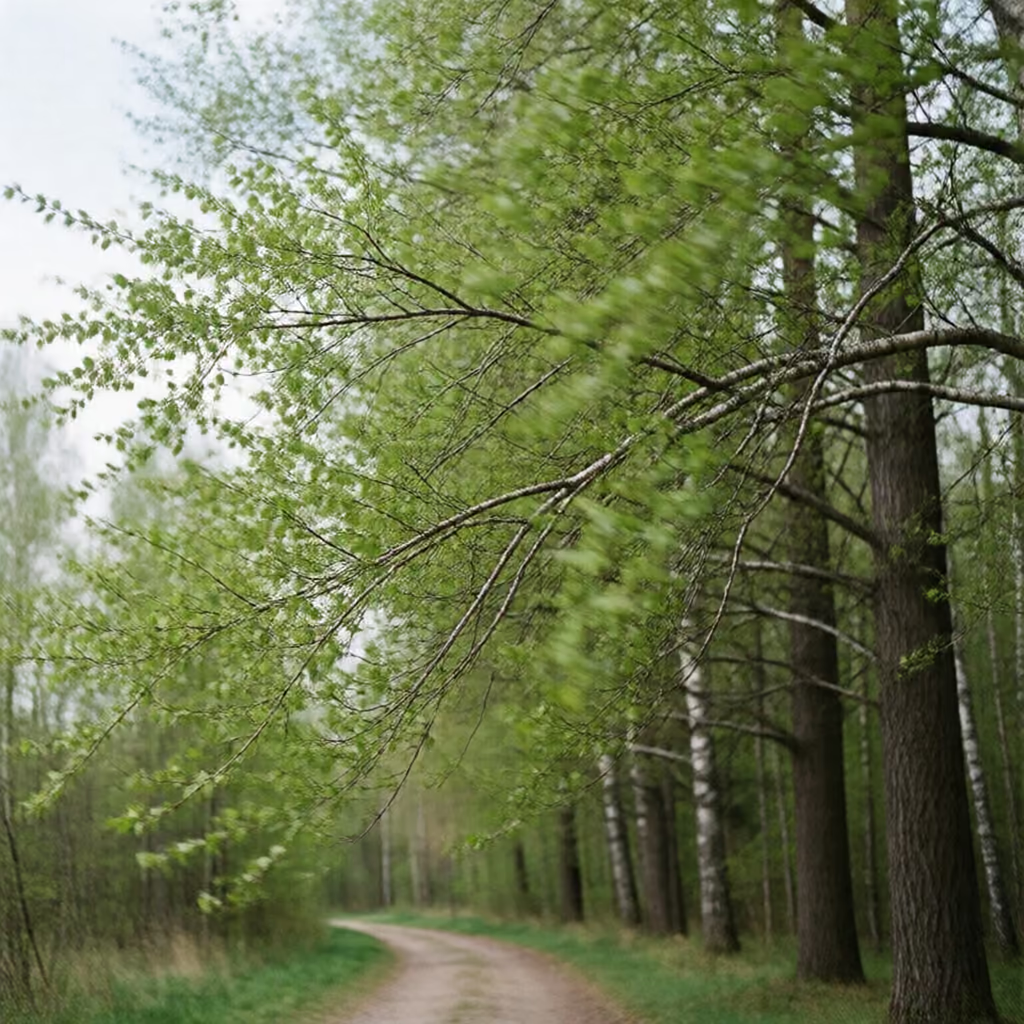
Die dünnen Äste wippten bei jedem Windstoß.
The thin branches bobbed with every gust of wind.
to bob / seesaw
wippen – wippte – hat gewippt
Loading your saved state.
to bob
To move lightly and springily up and down or back and forth repeatedly.
Die dünnen Äste wippten bei jedem Windstoß.
The thin branches bobbed with every gust of wind.
to tap / jiggle
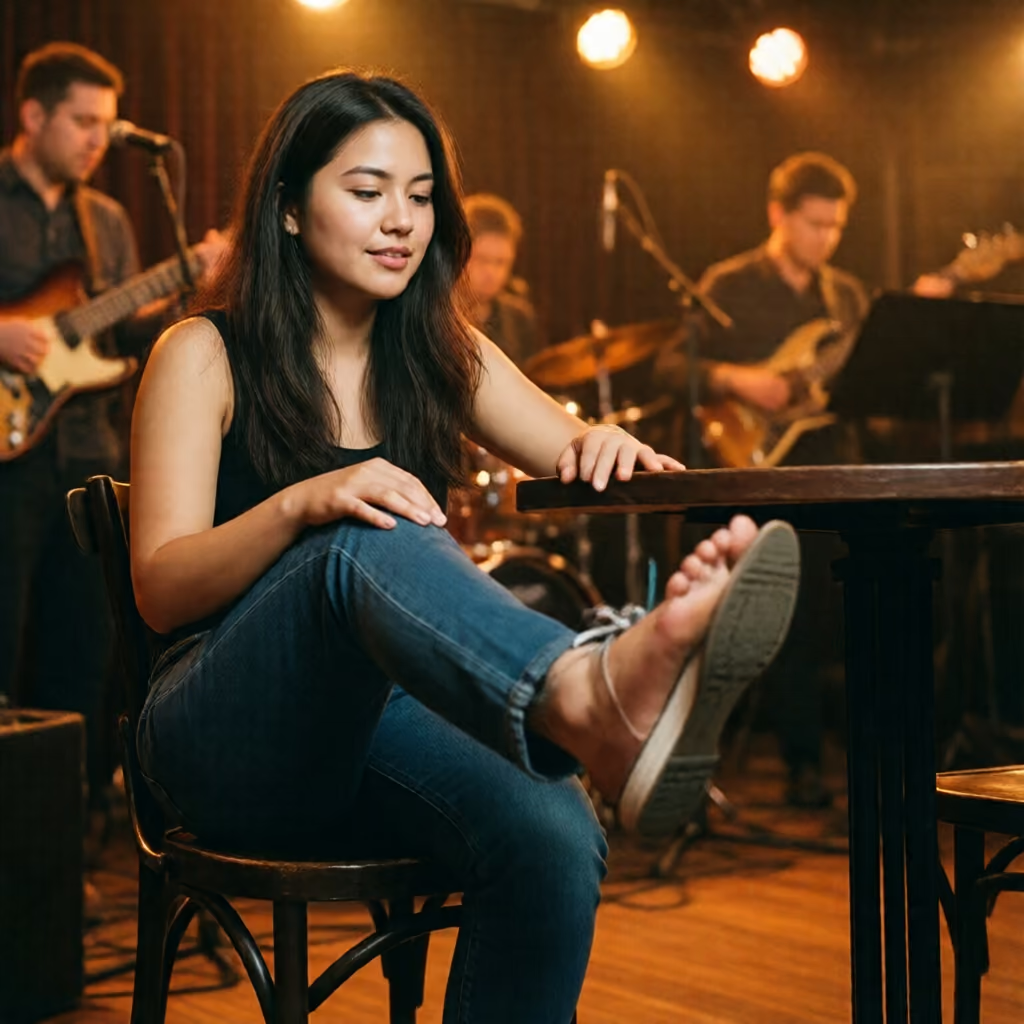
To move a body part or an object gently and repeatedly up and down.
Sie wippte im Takt der Musik mit dem Fuß.
She tapped her foot to the beat of the music.
to seesaw
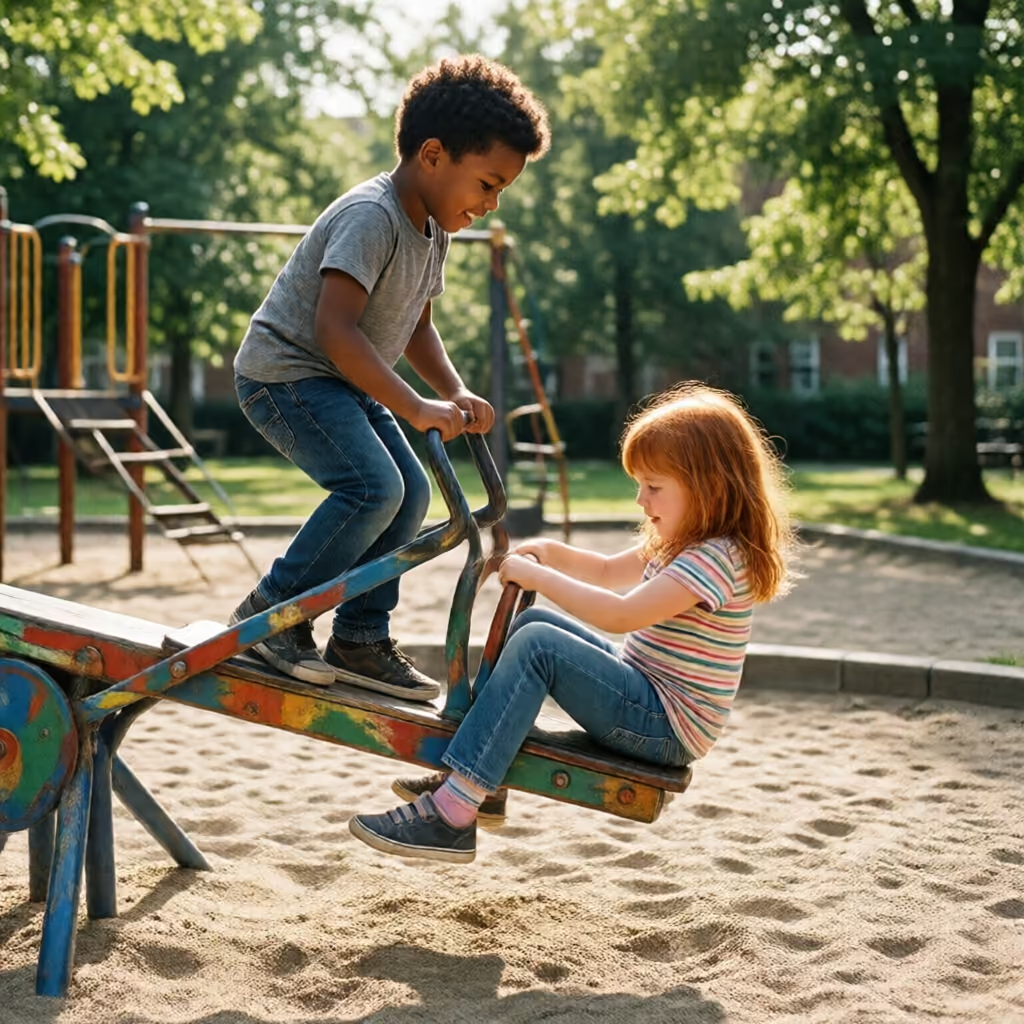
To play on a seesaw, taking turns moving up and down.
Die beiden Kinder wippen zusammen auf dem Spielplatz.
The two children are seesawing together at the playground.
| ich | wippe |
|---|---|
| du | wippst |
| er/sie/es | wippt |
| wir | wippen |
| ihr | wippt |
| sie | wippen |
| ich | wippte |
|---|---|
| du | wipptest |
| er/sie/es | wippte |
| wir | wippten |
| ihr | wipptet |
| sie | wippten |
| ich | habe gewippt |
|---|---|
| du | hast gewippt |
| er/sie/es | hat gewippt |
| wir | haben gewippt |
| ihr | habt gewippt |
| sie | haben gewippt |
| du | wippe! wipp! |
|---|---|
| ihr | wippt! |
| Sie | wippen Sie! |
| ich | hatte gewippt |
|---|---|
| du | hattest gewippt |
| er/sie/es | hatte gewippt |
| wir | hatten gewippt |
| ihr | hattet gewippt |
| sie | hatten gewippt |
| ich | werde wippen |
|---|---|
| du | wirst wippen |
| er/sie/es | wird wippen |
| wir | werden wippen |
| ihr | werdet wippen |
| sie | werden wippen |
| ich | wippe |
|---|---|
| du | wippest |
| er/sie/es | wippe |
| wir | wippen |
| ihr | wippet |
| sie | wippen |
Used for reported speech.
| ich | wippte |
|---|---|
| du | wipptest |
| er/sie/es | wippte |
| wir | wippten |
| ihr | wipptet |
| sie | wippten |
Used for wishes and “would”.
| infinitive | wippen |
|---|---|
| with zu | zu wippen |
| present participle | wippend |
| past participle | gewippt |
With 'wippen' (to bob / seesaw), the surrounding words often indicate the intended meaning: wind or branches suggest a springy movement, a body part or a rhythm suggests a deliberate movement, and 'auf der Wippe' (on the seesaw) points to the playground equipment.
Im Wind wippten die Zweige des Baumes.
The tree's branches bobbed in the wind.
Er wippte nervös mit dem Knie.
He jiggled his knee nervously.
Die Kinder wippten lange auf der Wippe.
The children seesawed for a long time.
For a small movement of a body part, 'wippen' (to tap / jiggle) is often used with 'mit' (with) and the body part in the dative. Combinations with 'Fuß' (foot), 'Knie' (knee), or 'Kopf' (head) are especially common, as are the additions 'im Takt' (to the beat) or 'zur Musik' (to the music).
Während des Gesprächs wippte sie mit dem Fuß.
She jiggled her foot during the conversation.
Beim Warten auf den Bus wippte er ungeduldig mit dem rechten Fuß.
While waiting for the bus, he tapped his right foot impatiently.
When describing something moving with a springy motion on its own, 'wippen' (to bob) is often used with natural features such as branches, twigs, or grasses, along with references to wind or gusts.
Die Zweige wippten nach dem starken Wind noch lange weiter.
The branches kept bobbing for a long time after the strong wind had died down.