

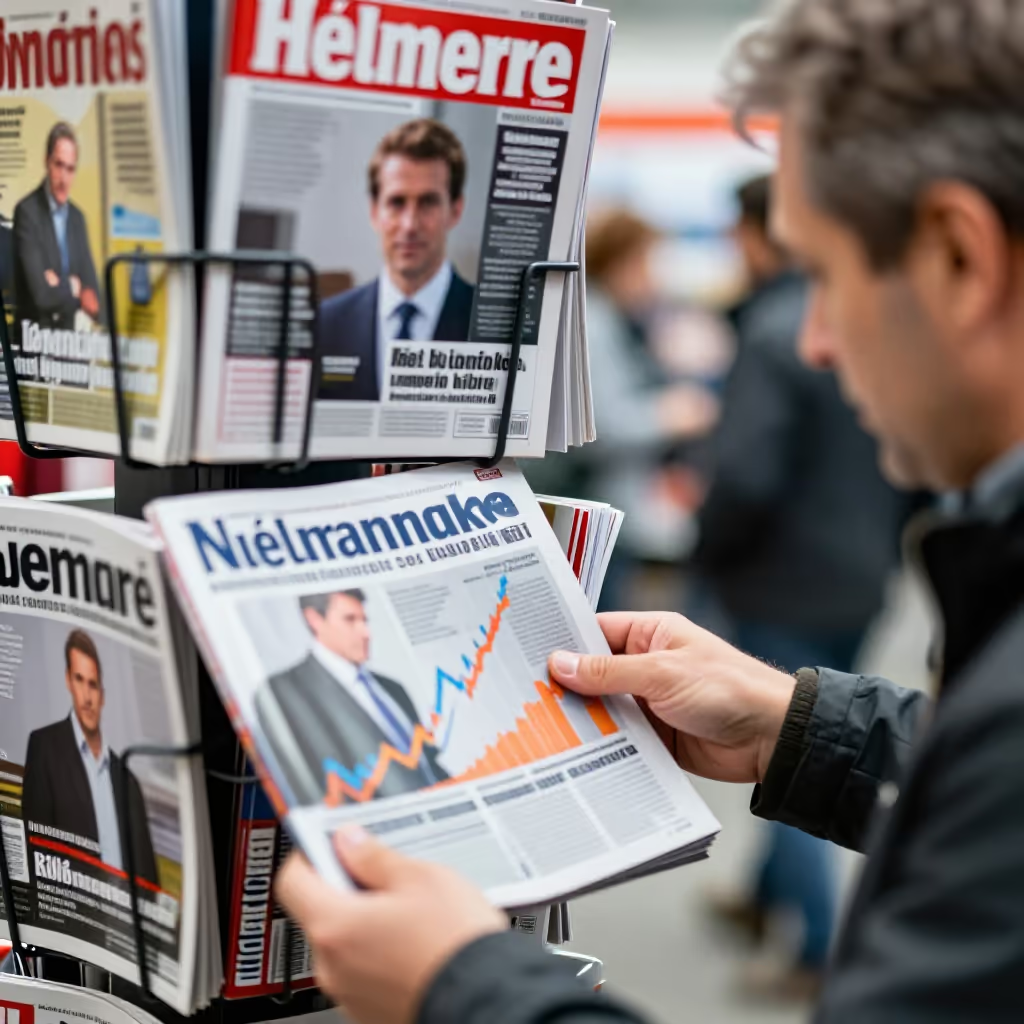
The name of a well-known German weekly business magazine. The official title is often written as 'WirtschaftsWoche'.
example
Ich habe den Artikel über die neue Technologie in der aktuellen Wirtschaftswoche gelesen.
I read the article about the new technology in the current issue of WirtschaftsWoche.
Usage tips
Word composition
The word is made up of 'Wirtschaft' (business/economy), the linking -s, and 'Woche' (week). So it literally means a 'week of business/economics', which can describe both a magazine and a themed week.
EXAMPLE
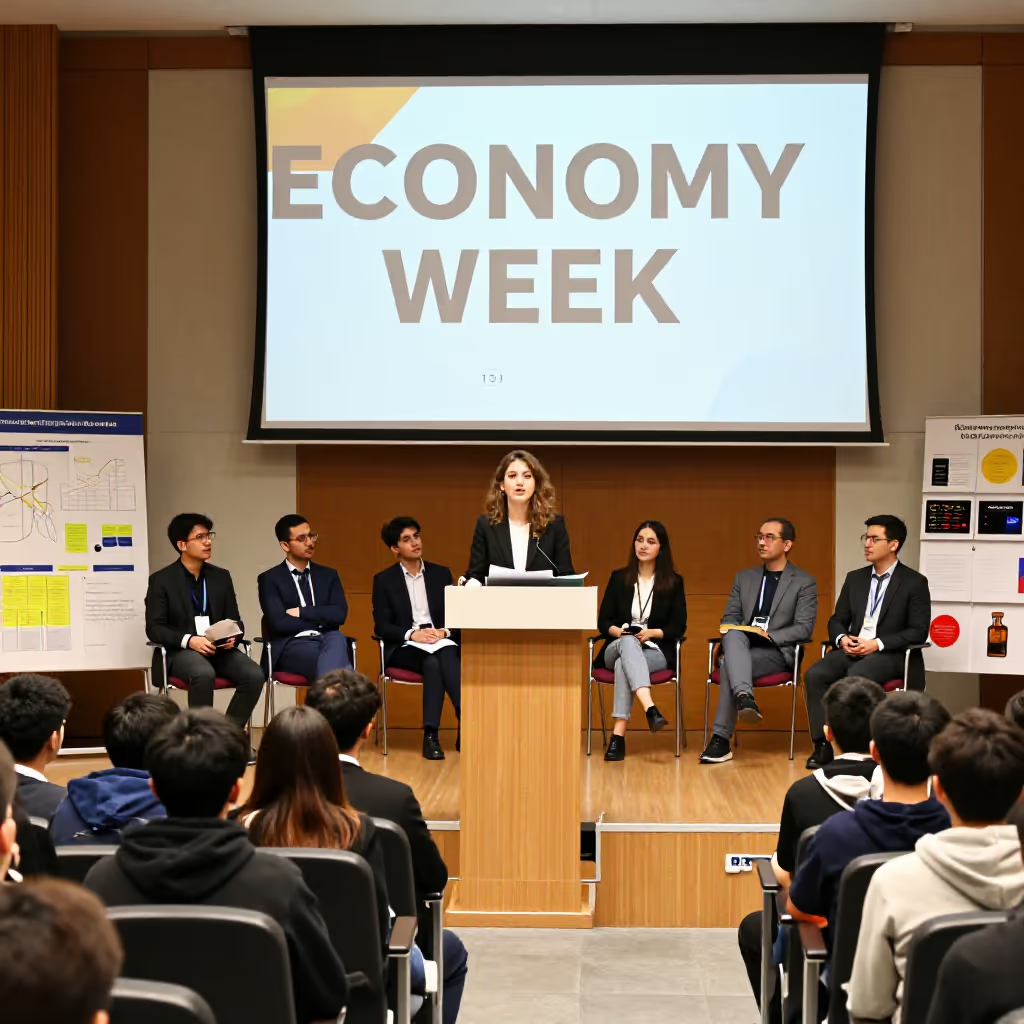
Die Schüler nehmen an einer Wirtschaftswoche teil, um mehr über Finanzen zu lernen.
The students are taking part in a business week to learn more about finance.
Context clue
To distinguish the meanings, pay attention to the article and the context. 'Die Wirtschaftswoche' (with the definite article) usually means the well-known magazine. 'Eine Wirtschaftswoche' (with the indefinite article) or a context involving events refers to a themed week.
EXAMPLE
In der Wirtschaftswoche stand ein interessanter Bericht über Start-ups.
There was an interesting report about start-ups in WirtschaftsWoche.
Typical collocations
When referring to the magazine, typical verbs are 'lesen' (to read), 'abonnieren' (to subscribe to), or 'zitieren' (to quote). You often find phrases such as 'ein Artikel in der Wirtschaftswoche' (an article in WirtschaftsWoche) or 'laut Wirtschaftswoche' (according to WirtschaftsWoche).
EXAMPLE
Er abonniert die Wirtschaftswoche, um über Finanzthemen informiert zu bleiben.
He subscribes to WirtschaftsWoche to stay informed about financial topics.
Typical collocations
In the context of a themed week, the word is often used with verbs such as 'organisieren' (to organize), 'veranstalten' (to hold/host), or 'teilnehmen an' (to take part in).
EXAMPLE
Die Handelskammer veranstaltet jedes Jahr eine regionale Wirtschaftswoche.
The chamber of commerce holds a regional business week every year.