

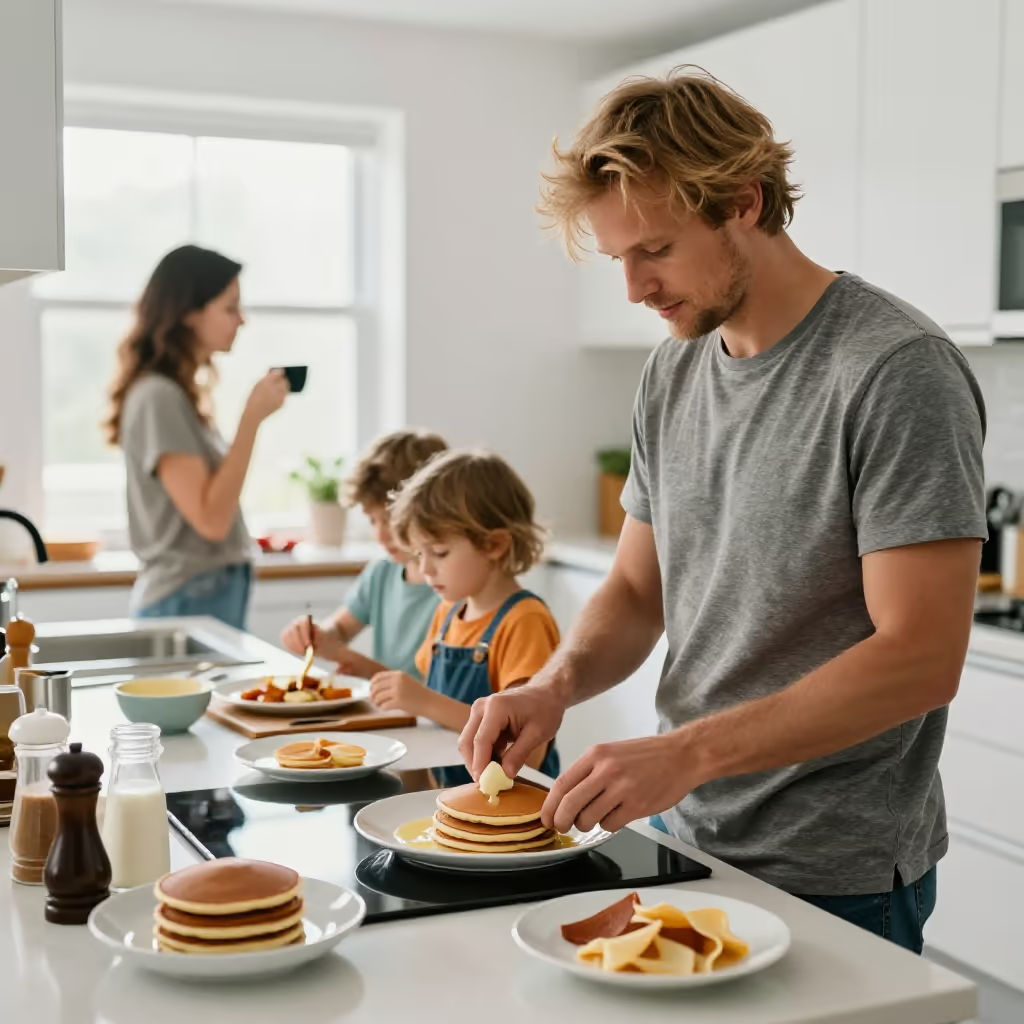
das Wochenende
weekend
The time at the end of the workweek, usually including Saturday and Sunday, and mostly used for rest and leisure.
EXAMPLE
Was machst du schönes am Wochenende?
What nice things are you doing on the weekend?
weekend
Loading your saved state.
weekend
The time at the end of the workweek, usually including Saturday and Sunday, and mostly used for rest and leisure.
Was machst du schönes am Wochenende?
What nice things are you doing on the weekend?
The word is made up of 'Woche' (week) and 'Ende' (end). So it literally describes the end of the week.
Endlich ist Freitag, das Wochenende steht vor der Tür.
Finally it's Friday; the weekend is just around the corner.
The most common preposition is 'am' for indicating time. To express a duration, you use 'übers Wochenende' (over the weekend). The transition into free time is described with 'ins Wochenende' (into the weekend).
Wir fahren am Wochenende an den See.
We're going to the lake on the weekend.
At the end of the workweek, people often wish each other 'Schönes Wochenende!' (Have a nice weekend!) or 'Erholsames Wochenende!' (Have a restful weekend!). These wishes can stand alone as complete sentences.
Wir sehen uns Montag. Schönes Wochenende!
See you Monday. Have a nice weekend!
weekend
Wochenende and Weekend refer to the same free time at the end of the week. Wochenende is the neutral standard term, while Weekend is colloquial and deliberately sounds modern or international. Wochenende is suitable in official or generally appropriate texts; Weekend is also possible in casual conversation.
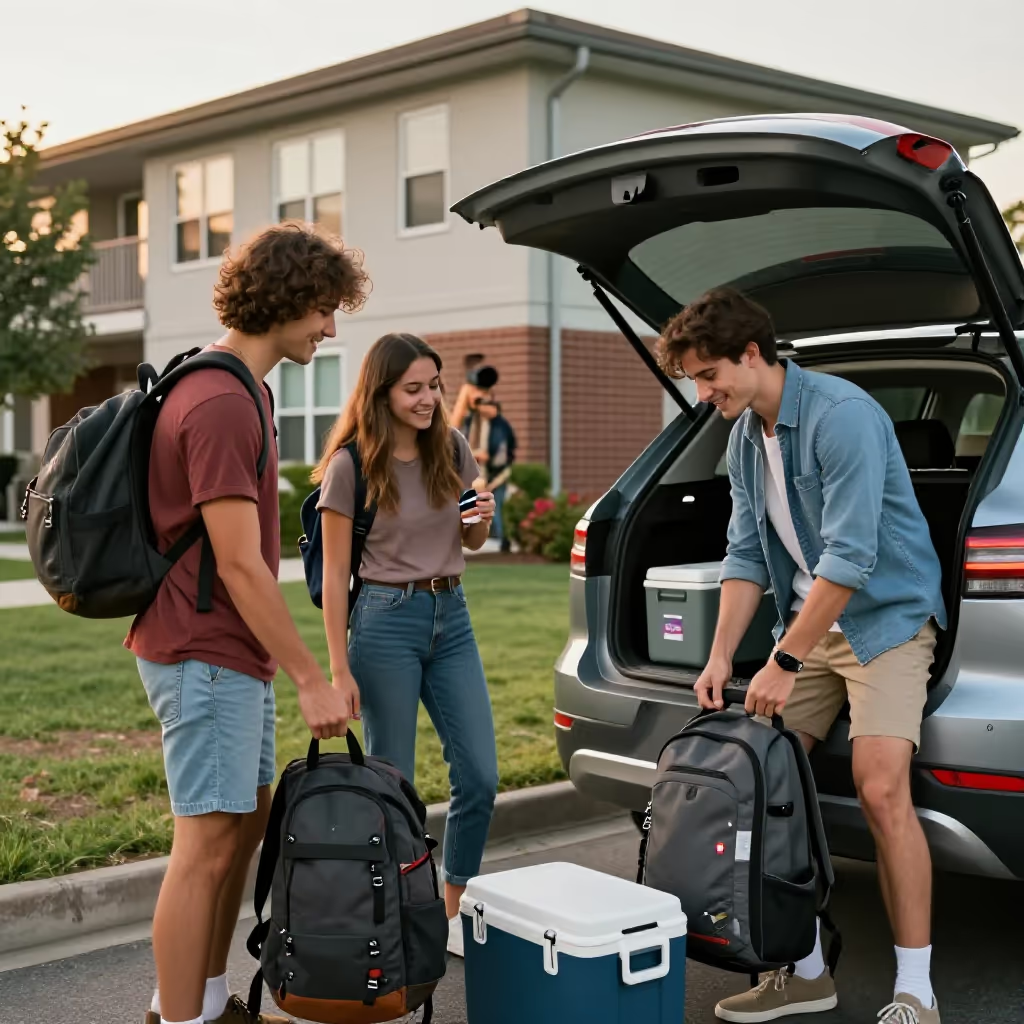
Am Wochenende treffen wir uns mit Freunden im Park.
We’re meeting friends in the park this weekend.
Für das Weekend haben wir einen Ausflug mit Freunden geplant.
We’ve planned a trip with friends for the weekend.