

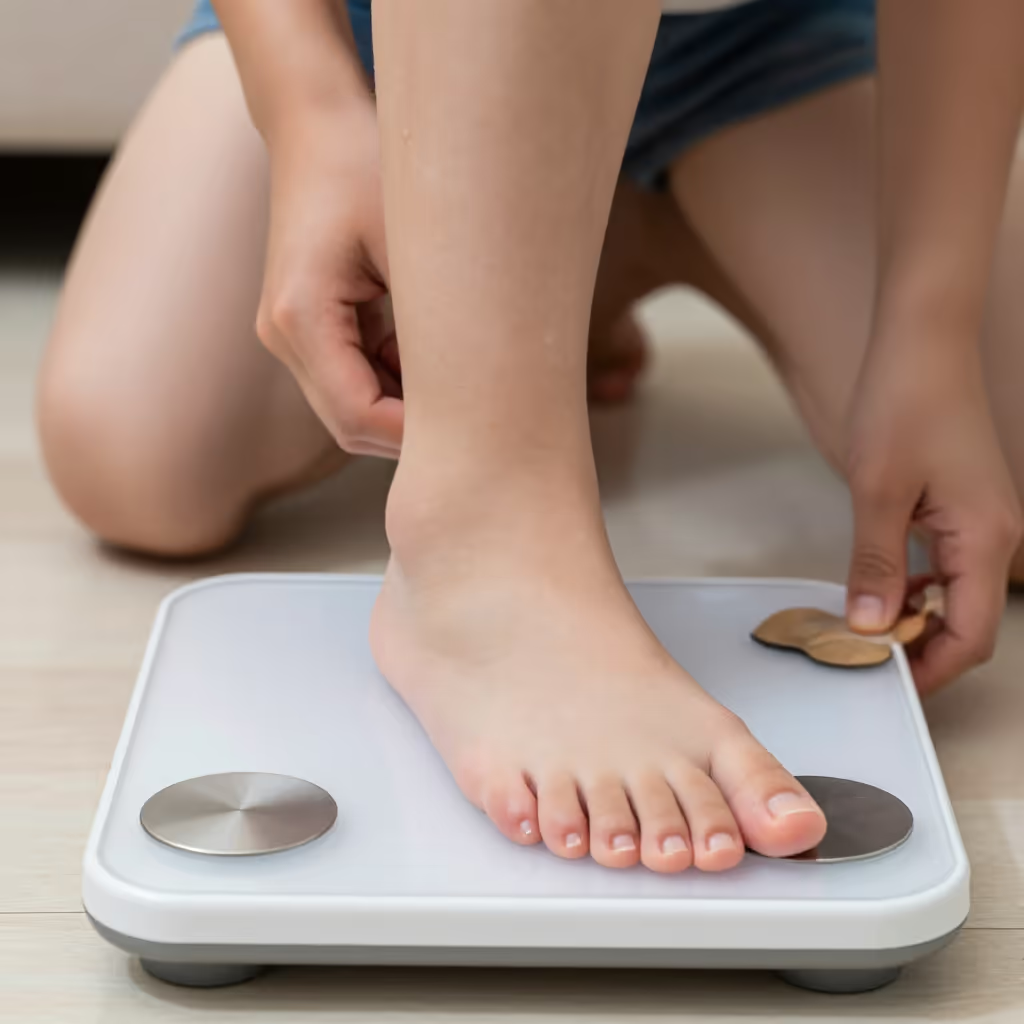
die Zehe
toe
One of the five movable parts at the front end of the foot in humans and many animals.
EXAMPLE
Ich habe mir die kleine Zehe am Tischbein gestoßen.
I stubbed my little toe on the table leg.
toe / clove
Loading your saved state.
toe
One of the five movable parts at the front end of the foot in humans and many animals.
Ich habe mir die kleine Zehe am Tischbein gestoßen.
I stubbed my little toe on the table leg.
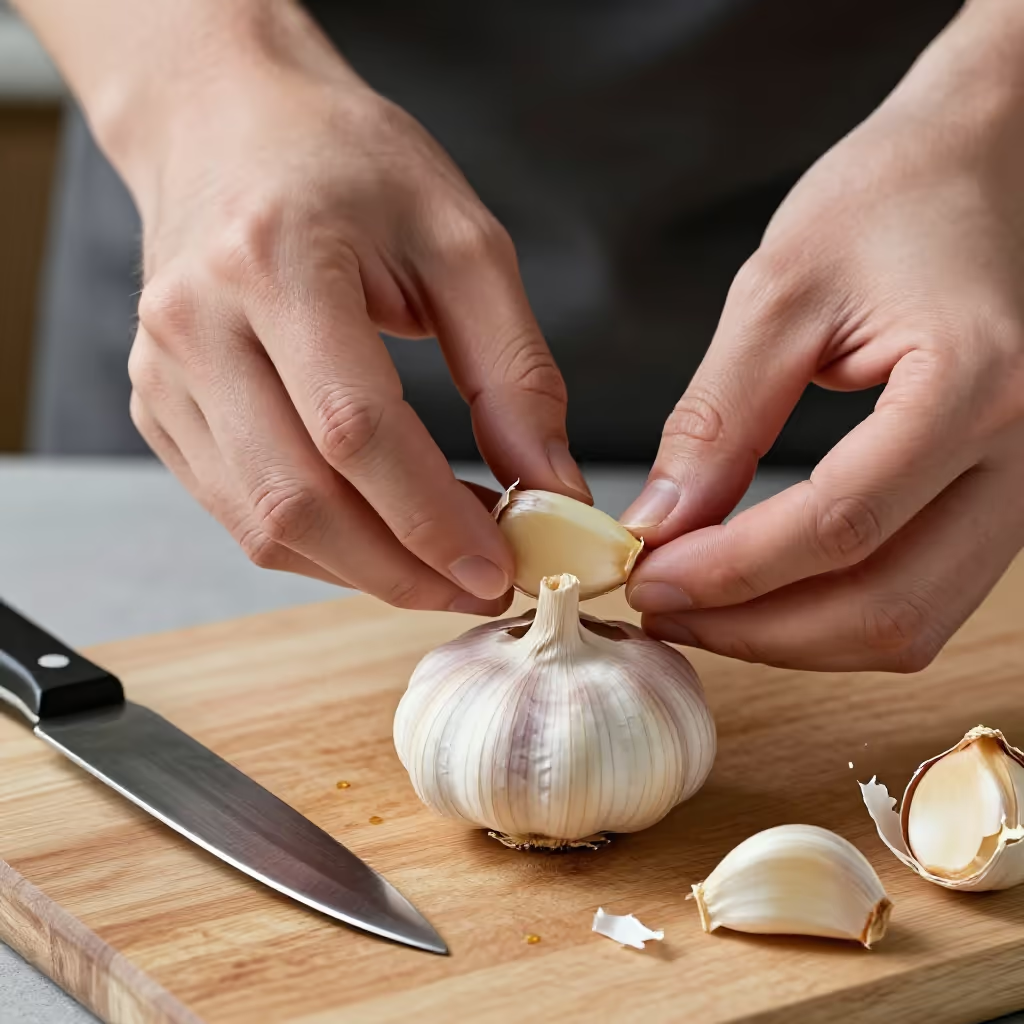
clove
A single small segment of a bulb of garlic.
Für die Soße musst du eine Knoblauchzehe fein hacken.
For the sauce, you need to finely chop one clove of garlic.
The meaning is immediately recognizable from context. If people are talking about the body, feet, or pain, the part of the foot is meant. If people are talking about cooking, recipes, or garlic, the piece of garlic is meant.
Aua, ich habe mir den großen Zeh an der Tür gestoßen!
Ouch, I stubbed my big toe on the door!
The expression 'auf Zehenspitzen gehen' (to walk on tiptoe) means to walk very quietly so as not to make any noise. It is often used figuratively for acting cautiously.
Sie ging auf Zehenspitzen aus dem Zimmer, um das Baby nicht aufzuwecken.
She walked out of the room on tiptoe so as not to wake the baby.
In a cooking context, 'Zehe' (clove) is almost always a shortened form of 'Knoblauchzehe' (clove of garlic). You can also say 'eine Zehe Knoblauch' (a clove of garlic) to make it completely clear.
Kannst du bitte eine Knoblauchzehe für die Tomatensoße pressen?
Could you please press a clove of garlic for the tomato sauce?