

das Zeug
stuff
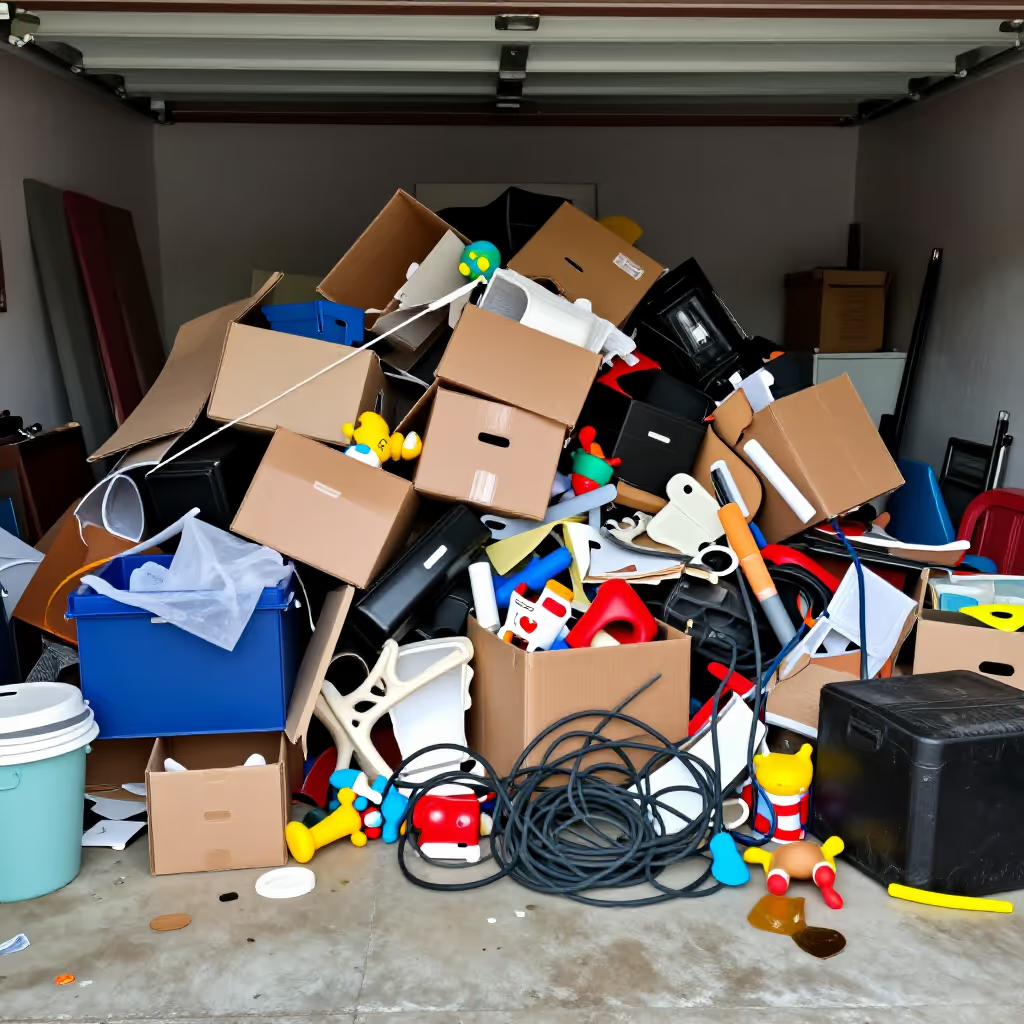
A colloquial, often disparaging term for an unspecified amount of things, junk, or odds and ends.
EXAMPLE
Räum bitte dein ganzes Zeug vom Tisch, wir wollen essen.
Please clear all your stuff off the table; we want to eat.
stuff
Loading your saved state.
stuff
A colloquial, often disparaging term for an unspecified amount of things, junk, or odds and ends.
Räum bitte dein ganzes Zeug vom Tisch, wir wollen essen.
Please clear all your stuff off the table; we want to eat.

to have what it takes
To have the necessary abilities, talent, or character for a specific task or role.
Er ist ein guter Anführer, er hat das Zeug dazu.
He's a good leader; he has what it takes.
stuff / substance
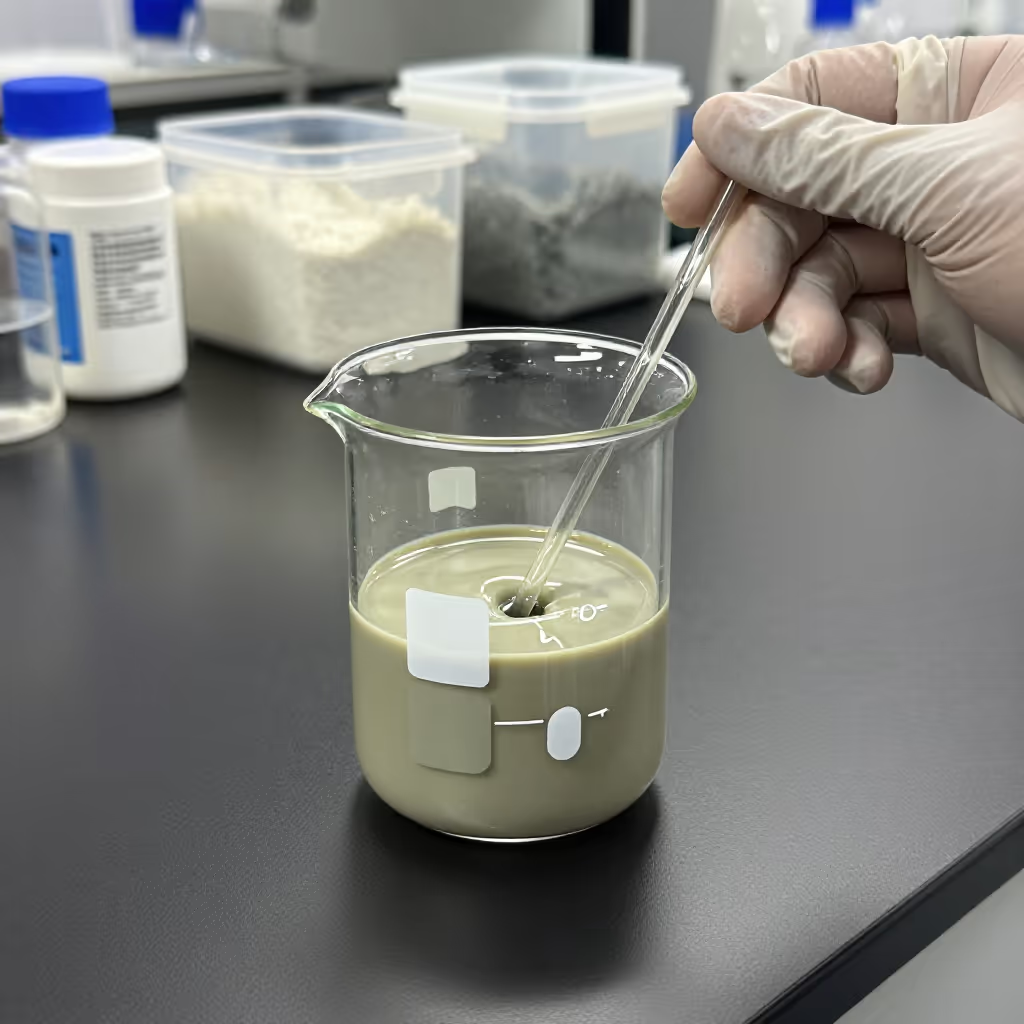
A substance or material whose exact nature is often unknown or unimportant.
Was ist das für klebriges Zeug an meinen Schuhen?
What is this sticky stuff on my shoes?
The word element '-zeug' means 'things' or 'material for a purpose'. You find it in many nouns such as 'Werkzeug' (tool, literally things for work), 'Spielzeug' (toy, things for playing), or 'Feuerzeug' (lighter, thing for making fire).
Die Kinder haben ihr ganzes Spielzeug im Wohnzimmer verteilt.
The children have spread all their toys around the living room.
'Das Zeug' (stuff) is a collective term and is almost always used in the singular, even when many different things are meant. A plural form is not common in standard German.
Kannst du bitte dein schmutziges Zeug in die Wäsche bringen?
Could you please put your dirty stuff in the laundry?
In the meaning of 'Kram' (junk/odds and ends) or 'Sachen' (things), 'das Zeug' (stuff) is very colloquial. Depending on the context, it can sound neutral, but often also slightly disparaging or dismissive.
Ich verstehe nicht, warum du so viel Geld für dieses nutzlose Zeug ausgibst.
I don't understand why you spend so much money on this useless stuff.
The idiom 'das Zeug zu etwas haben' (to have what it takes for something) is a fixed expression. It is used with 'zu' + dative or with 'dazu' to say that someone has the necessary talent or potential for something.
Diese junge Sportlerin hat das Zeug zur Weltmeisterin.
This young athlete has what it takes to become a world champion.
thing / matter
Sachen refers neutrally to personal belongings and can mean individual items. Zeug groups such things together colloquially as an unorganized amount and often sounds disparaging. Use Sachen as a neutral term; when expressing annoyance or contempt, Zeug is more suitable.

Bitte räum endlich dein Zeug aus dem Flur in den Schrank.
Please finally put your stuff from the hallway in the cupboard.
Bitte pack deine Sachen aus dem Flur in den Schrank.
Please put your things from the hallway in the cupboard.