

das Zinn
tin
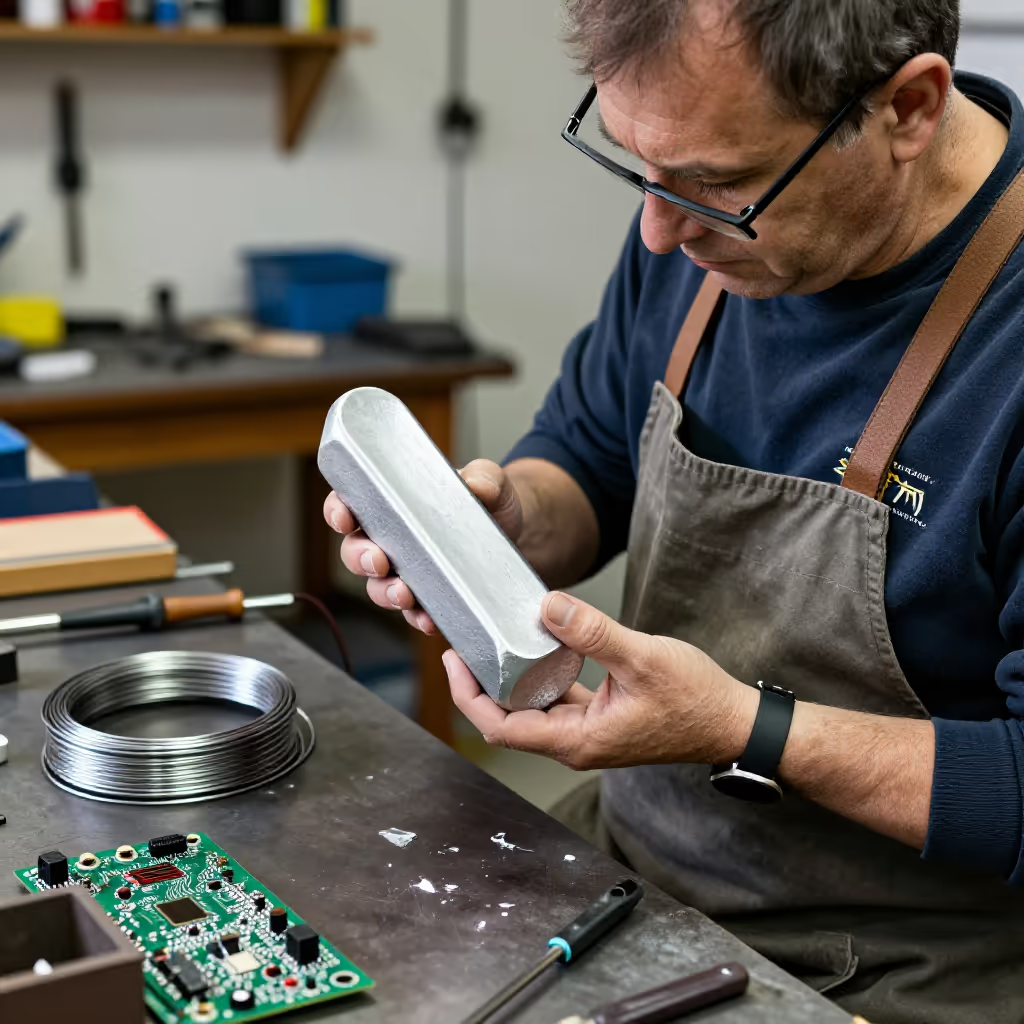
A silvery-white, soft heavy metal classified as a chemical element (Sn), often used for alloys such as bronze or for soldering.
EXAMPLE
Dieser alte Bierkrug ist aus reinem Zinn gefertigt.
This old beer stein is made of pure tin.
tin / junk
Loading your saved state.
tin
A silvery-white, soft heavy metal classified as a chemical element (Sn), often used for alloys such as bronze or for soldering.
Dieser alte Bierkrug ist aus reinem Zinn gefertigt.
This old beer stein is made of pure tin.
junk / nonsense
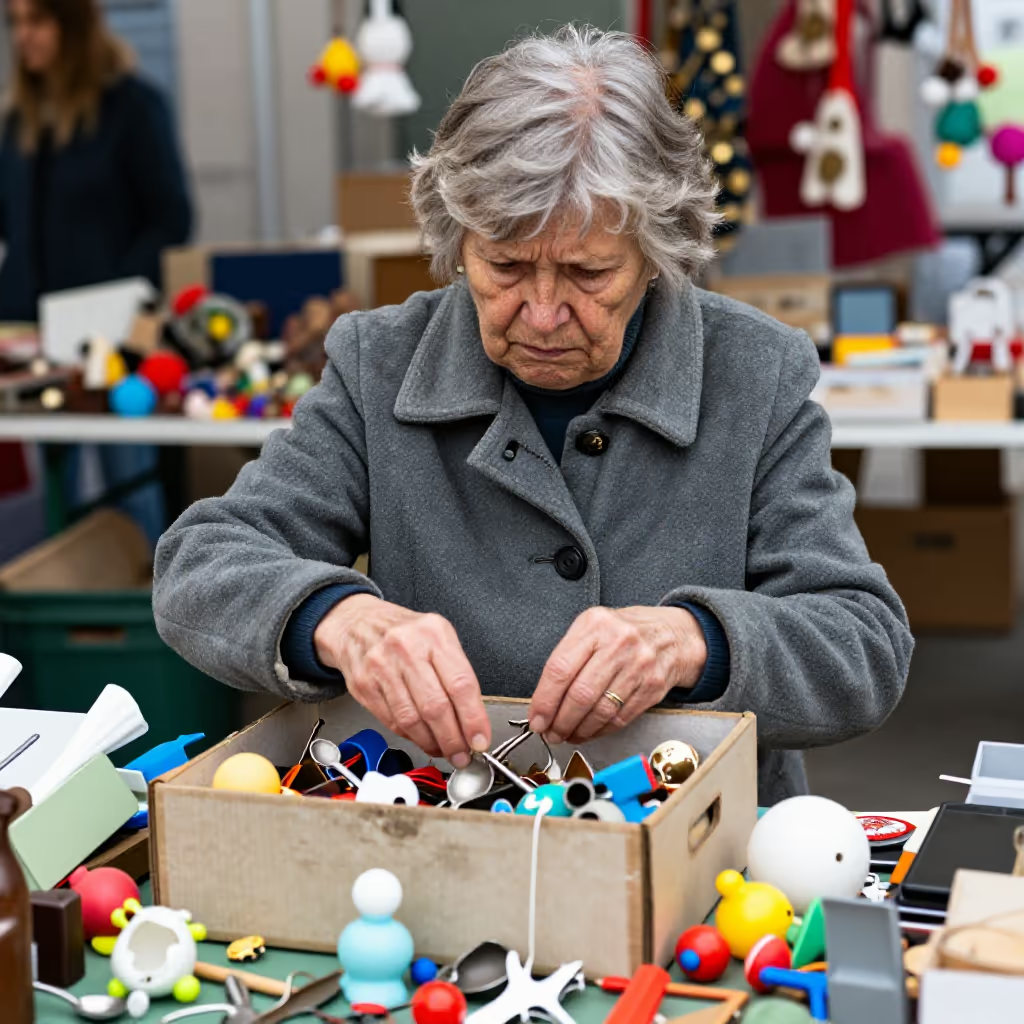
Colloquial and derogatory for worthless stuff, junk, or nonsensical talk.
Räum endlich mal dieses alte Zinn von deinem Schreibtisch weg!
Finally clear all this old junk off your desk!
You can recognize the meaning of 'Zinn' (tin/junk) from the context. If it is about metal, crafts, or chemistry, it refers to the element. In colloquial, often derogatory remarks about objects or talk, it means 'Plunder' (junk) or 'Unsinn' (nonsense).
Für das Löten in der Elektronik brauchen wir Zinn.
For soldering in electronics, we need tin.
In its main meaning as a metal, 'Zinn' (tin) is an uncountable noun. You cannot use it in the plural. Instead, you talk about objects made of tin, such as 'Zinnfiguren' (tin figures) or 'Zinngeschirr' (tin tableware).
Der alte Becher ist nicht aus Silber, sondern aus Zinn.
The old cup is not made of silver, but of tin.
The meaning 'Plunder' (junk) or 'Unsinn' (nonsense) is purely colloquial and has a negative tone. It is used to dismiss something as worthless or stupid.
Er redet den ganzen Abend nur Zinn.
He just talks nonsense all evening.