

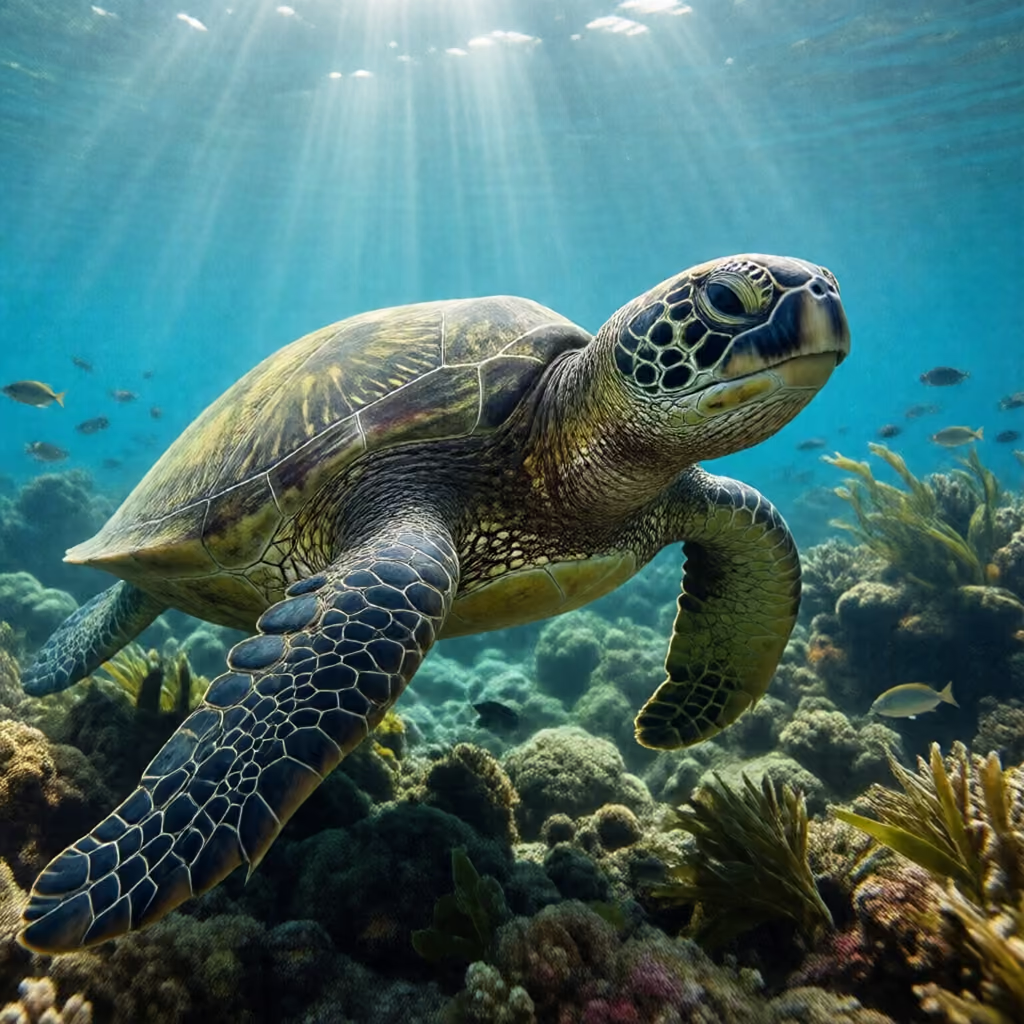
das Meerestier
animal marinho
Animal que vive no mar.
EXEMPLO
Der Delfin ist ein Meerestier.
O golfinho é um animal marinho.
animal marinho
das Meerestier, die Meerestiere
Carregando seu estado salvo.
animal marinho
Animal que vive no mar.
Der Delfin ist ein Meerestier.
O golfinho é um animal marinho.
| gênero | neutro das |
|---|---|
| plural | die Meerestiere |
| Genitiv | des Meerestiers |
| singular | plural | |
|---|---|---|
| Nominativ | das Meerestier | die Meerestiere |
| Akkusativ | das Meerestier | die Meerestiere |
| Dativ | dem Meerestier | den Meerestieren |
| Genitiv | des Meerestiers des Meerestieres | der Meerestiere |
O artigo muda conforme o caso e aparece em destaque colorido.
“Meerestier” (animal marinho) é formado por “Meer” (mar) e “Tier” (animal). Entre os elementos aparece o elemento de ligação “-es”: “Meer” (mar) + “-es” + “Tier” (animal) = “Meerestier” (animal marinho).
Im Aquarium kann man viele Meerestiere sehen.
No aquário, é possível ver muitos animais marinhos.
“Meerestier” (animal marinho) aparece com frequência junto de verbos como “beobachten” (observar), “schützen” (proteger) e “retten” (resgatar). Também são comuns combinações como “seltene Meerestiere” (animais marinhos raros) e “bedrohte Meerestiere” (animais marinhos ameaçados).
Freiwillige schützen bedrohte Meerestiere vor Plastik im Wasser.
Voluntários protegem animais marinhos ameaçados do plástico na água.
“Meerestier” (animal marinho) aparece especialmente em textos sobre biologia marinha, aquários, proteção ambiental e poluição dos mares. Palavras como “Korallenriff” (recife de coral), “Ozean” (oceano) ou “Plastikmüll” (lixo plástico) costumam indicar esse contexto.
Die Forscher untersuchen, wie der Plastikmüll die Meerestiere gefährdet.
Os pesquisadores investigam como o lixo plástico ameaça os animais marinhos.