


abstoßen
to push away
To move or push something away from oneself by applying pressure or giving it a shove.
EXAMPLE
Der Fischer stieß das Boot mit dem Ruder vom Ufer ab.
The fisherman pushed the boat away from the shore with the oar.
to push away / repel / sell off
abstoßen – stieß ab – hat abgestoßen
Loading your saved state.
to push away
To move or push something away from oneself by applying pressure or giving it a shove.
Der Fischer stieß das Boot mit dem Ruder vom Ufer ab.
The fisherman pushed the boat away from the shore with the oar.

to push off
To push oneself away from a surface with one's feet or hands in order to move.
Der Schwimmer stieß sich von der Beckenwand ab.
The swimmer pushed off from the pool wall.
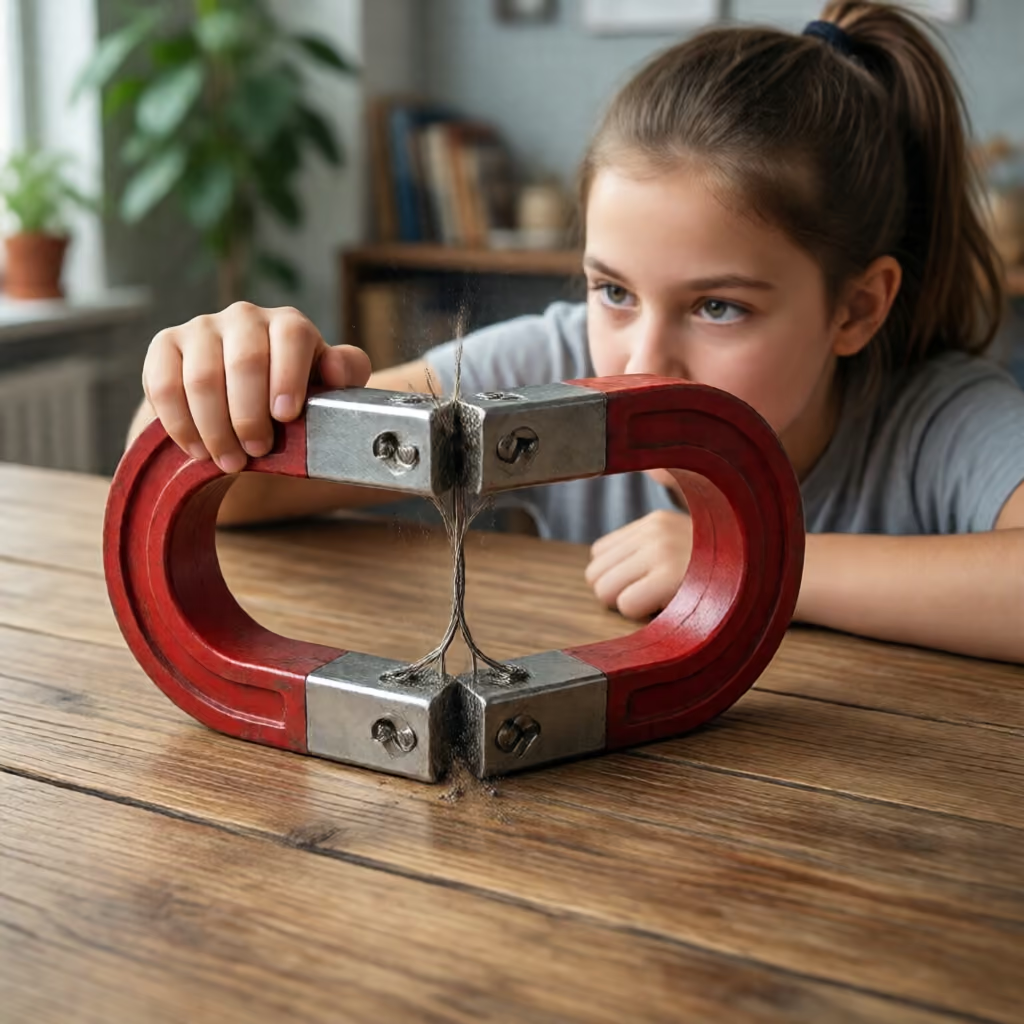
to repel each other
To push each other away because two bodies or forces repel one another.
Zwei Nordpole stoßen sich ab, ein Nord- und ein Südpol ziehen sich an.
Two north poles repel each other; a north pole and a south pole attract each other.

to repel
To cause someone to feel strong aversion or disgust.
Sein rücksichtsloses Verhalten stößt mich ab.
His inconsiderate behavior repels me.

to sell off
To sell or give away something, especially property or a valuable item, in order to get rid of it.
Der Konzern will mehrere unrentable Tochterunternehmen abstoßen.
The corporation wants to sell off several unprofitable subsidiaries.

to reject
When the body or its immune system does not accept foreign tissue or a transplanted organ and attacks it through an immune response.
Das Immunsystem des Patienten stieß das transplantierte Organ ab.
The patient's immune system rejected the transplanted organ.
| ich | stoße ab |
|---|---|
| du | stößt ab |
| er/sie/es | stößt ab |
| wir | stoßen ab |
| ihr | stoßt ab |
| sie | stoßen ab |
| ich | stieß ab |
|---|---|
| du | stießest ab stießt ab |
| er/sie/es | stieß ab |
| wir | stießen ab |
| ihr | stießt ab |
| sie | stießen ab |
| ich | habe abgestoßen bin abgestoßen |
|---|---|
| du | hast abgestoßen bist abgestoßen |
| er/sie/es | hat abgestoßen ist abgestoßen |
| wir | haben abgestoßen sind abgestoßen |
| ihr | habt abgestoßen seid abgestoßen |
| sie | haben abgestoßen sind abgestoßen |
| du | stoße ab! stoß ab! |
|---|---|
| ihr | stoßt ab! |
| Sie | stoßen Sie ab! |
| ich | hatte abgestoßen war abgestoßen |
|---|---|
| du | hattest abgestoßen warst abgestoßen |
| er/sie/es | hatte abgestoßen war abgestoßen |
| wir | hatten abgestoßen waren abgestoßen |
| ihr | hattet abgestoßen wart abgestoßen |
| sie | hatten abgestoßen waren abgestoßen |
| ich | werde abstoßen |
|---|---|
| du | wirst abstoßen |
| er/sie/es | wird abstoßen |
| wir | werden abstoßen |
| ihr | werdet abstoßen |
| sie | werden abstoßen |
| ich | stoße ab |
|---|---|
| du | stoßest ab |
| er/sie/es | stoße ab |
| wir | stoßen ab |
| ihr | stoßet ab |
| sie | stoßen ab |
Used for reported speech.
| ich | stieße ab |
|---|---|
| du | stießest ab |
| er/sie/es | stieße ab |
| wir | stießen ab |
| ihr | stießet ab |
| sie | stießen ab |
Used for wishes and “would”.
| infinitive | abstoßen |
|---|---|
| with zu | abzustoßen |
| present participle | abstoßend |
| past participle | abgestoßen |
'Abstoßen' (to push away / repel / sell off) consists of the prefix 'ab-' and the verb 'stoßen' (to push) and is separable. In a main clause, 'ab' goes at the end of the clause; in a subordinate clause, the verb stays together. In the infinitive with 'zu', 'zu' goes between the prefix and the verb.
Der Torwart stieß den Ball weit ab.
The goalkeeper kicked the ball a long way.
Sie sah, dass der Torwart den Ball abstieß.
She saw that the goalkeeper kicked the ball.
Der Torwart versuchte, den Ball abzustoßen.
The goalkeeper tried to kick the ball.
In the reflexive sense, the surface or object is usually introduced by 'von' (from) followed by the dative: 'sich von etwas abstoßen' (to push off from something). The person or animal moving is the subject.
Die Eisläuferin stieß sich von der Bande ab.
The ice skater pushed off from the barrier.
Der Frosch stieß sich vom nassen Boden ab.
The frog pushed off from the wet ground.
When referring to a mutual force, 'sich abstoßen' (to repel each other) is often used with bodies, poles, or electric charges. The reflexive pronoun indicates that the bodies involved push each other away.
Gleichnamige elektrische Ladungen stoßen sich ab.
Like electric charges repel each other.
Hält man die Magnete falsch herum aneinander, stoßen sie sich ab.
If you hold the magnets against each other the wrong way around, they repel each other.
When describing a reaction to a person or thing, an accusative pronoun often refers to the person affected: 'Etwas stößt mich, dich oder ihn ab' (Something repels me, you, or him). Typical triggers include inconsiderate behavior, an unpleasant smell, or a shocking sight.
Der starke Geruch aus dem Kühlschrank stieß mich sofort ab.
The strong smell from the refrigerator immediately repelled me.
Seine respektlose Art stößt viele Menschen ab.
His disrespectful manner repels many people.
In business texts, 'abstoßen' (to sell off) is often used with property or ownership stakes. Typical objects include a company, shares, real estate, or a stake in a business.
Nach dem Kurssturz stießen viele Anleger ihre Aktien ab.
After the share price plunge, many investors sold off their shares.
Der Fonds stieß mehrere Immobilien ab.
The fund sold off several properties.
In medical texts, 'abstoßen' (to reject) is often used with 'Organ' (organ), 'Transplantat' (transplant), or 'Gewebe' (tissue). The subject is usually the immune system or the body that does not accept the foreign tissue.
Der Körper stieß das neue Organ trotz der Behandlung ab.
The body rejected the new organ despite the treatment.
Das Immunsystem kann ein Transplantat abstoßen.
The immune system can reject a transplant.
The context indicates which meaning is intended: verbs of motion and references to surfaces suggest pushing off to move, business vocabulary points to selling off property, and medical vocabulary points to an immune response by the body.
Der Radfahrer stieß sich von der Mauer ab.
The cyclist pushed off from the wall.
Das Unternehmen stieß eine unrentable Sparte ab.
The company sold off an unprofitable division.
Der Körper stieß das fremde Gewebe ab.
The body rejected the foreign tissue.