

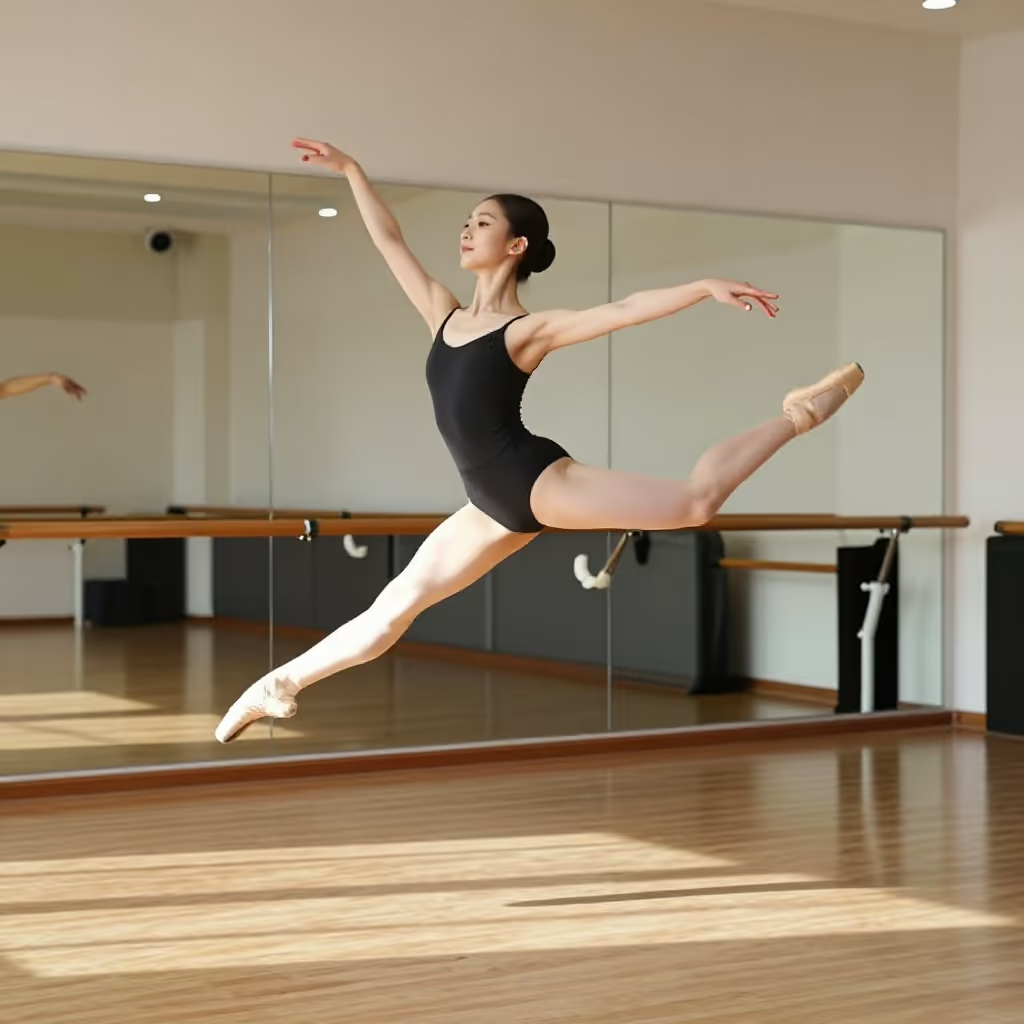
Describing a harmonious, elegant, and aesthetically pleasing movement or appearance. It is often used for the movements of people or animals.
example
Die Ballerina bewegte sich anmutig und leichtfüßig über die Bühne.
The ballerina moved gracefully and lightly across the stage.
Usage tips
Word family
The adjective 'anmutig' (graceful) is derived from the noun 'die Anmut' (grace), which means grace or elegance. If you know the noun, you can easily work out the meaning of the adjective.
EXAMPLE
Ihre Bewegungen waren voller Anmut und Eleganz.
Her movements were full of grace and elegance.
Focus on movement
'Anmutig' (graceful) primarily describes the manner of a movement. It is frequently used for dancing, walking, or the movements of animals such as cats or swans.
EXAMPLE
Die Katze sprang anmutig vom Schrank auf den Boden.
The cat jumped gracefully from the cabinet onto the floor.
Elevated style
'Anmutig' (graceful) belongs more to written language or an elevated style. It is used less often in everyday colloquial speech.
EXAMPLE
Sie beschrieb die Landschaft mit anmutigen Worten.
She described the landscape with graceful words.
Compare with
near_synonym
anmutig vs elegant
elegant
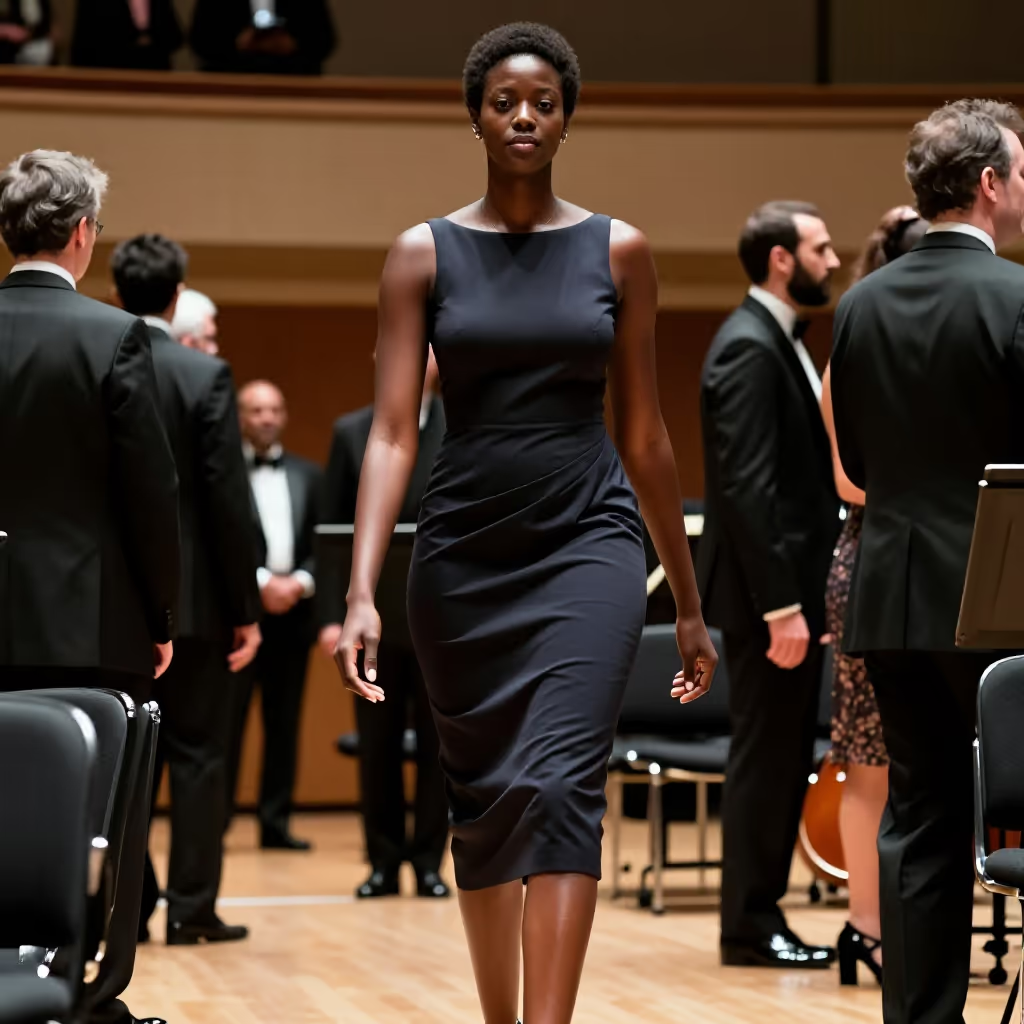
'elegant' and 'anmutig' can both describe a beautiful appearance or movement. 'elegant' is broader and fits well with clothing, people, style, and also movements. 'anmutig' especially describes soft, harmonious, and beautiful movements or a refined appearance. It is often used for dance, sports, animals, or a calm posture. When it is about clothing and style, 'elegant' is more natural. When the movement itself is the focus, 'anmutig' is more precise.