

anrollen
to roll up
To move toward someone or something by rolling and come closer.
EXAMPLE
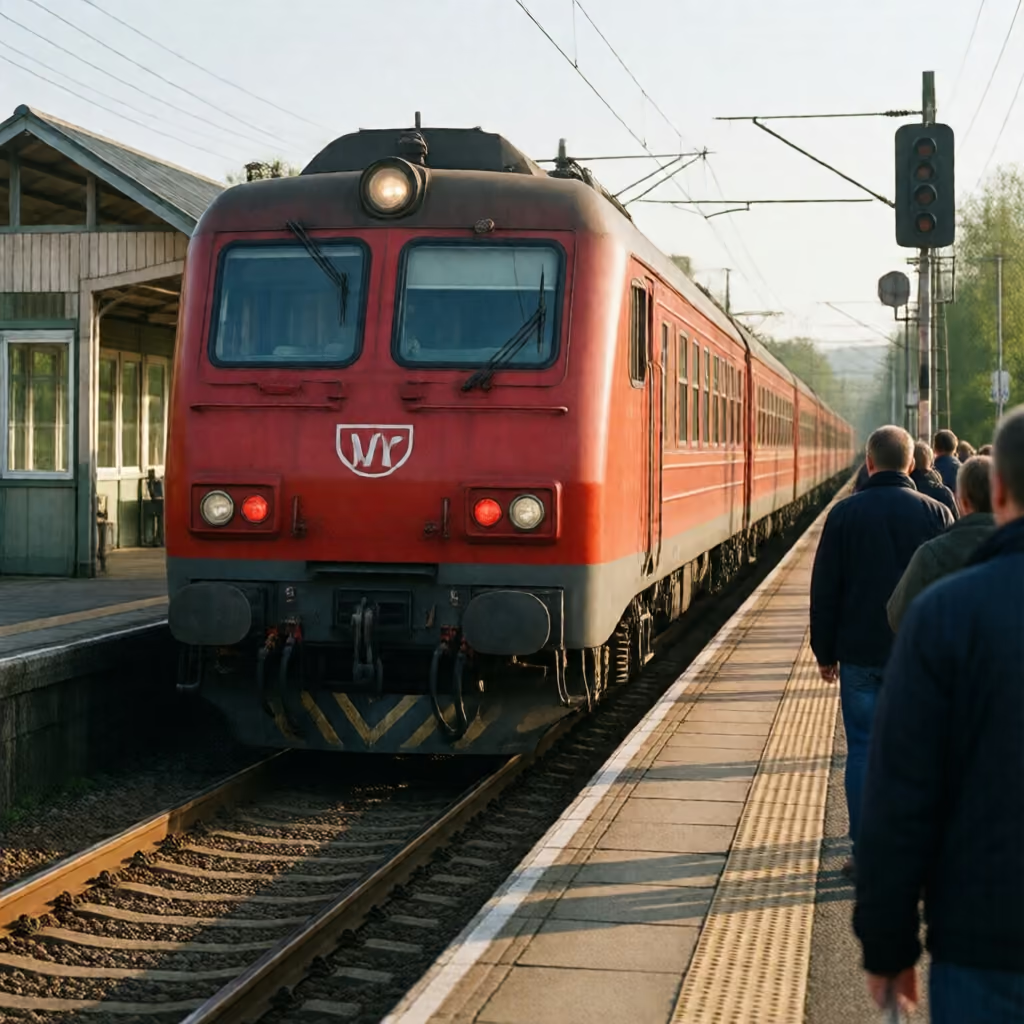
Der Zug rollt langsam auf den Bahnhof an.
The train is slowly rolling up to the station.
to roll up
anrollen – rollte an – hat angerollt
Loading your saved state.
to roll up
To move toward someone or something by rolling and come closer.
Der Zug rollt langsam auf den Bahnhof an.
The train is slowly rolling up to the station.
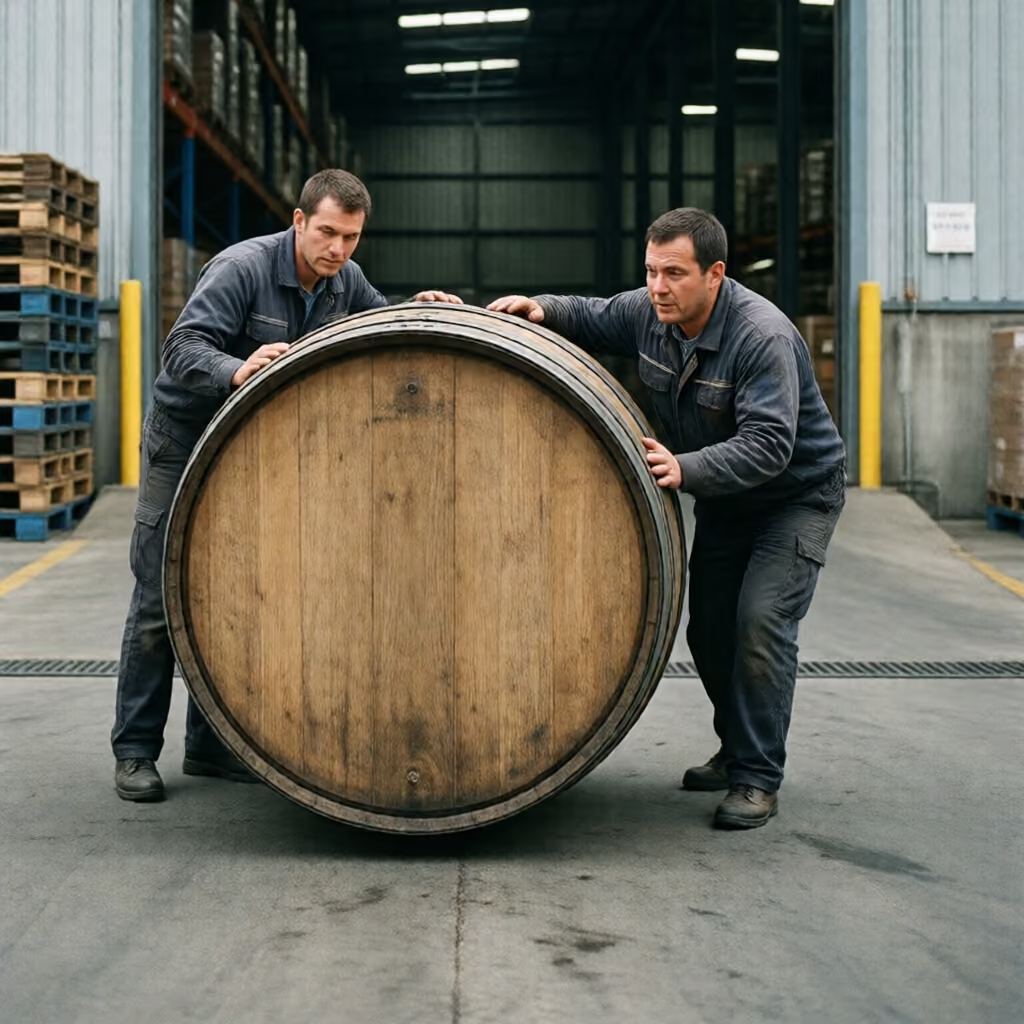
to roll something up
To bring something to a specific place or to someone by rolling it.
Die Arbeiter rollten das schwere Fass an.
The workers rolled the heavy barrel up.
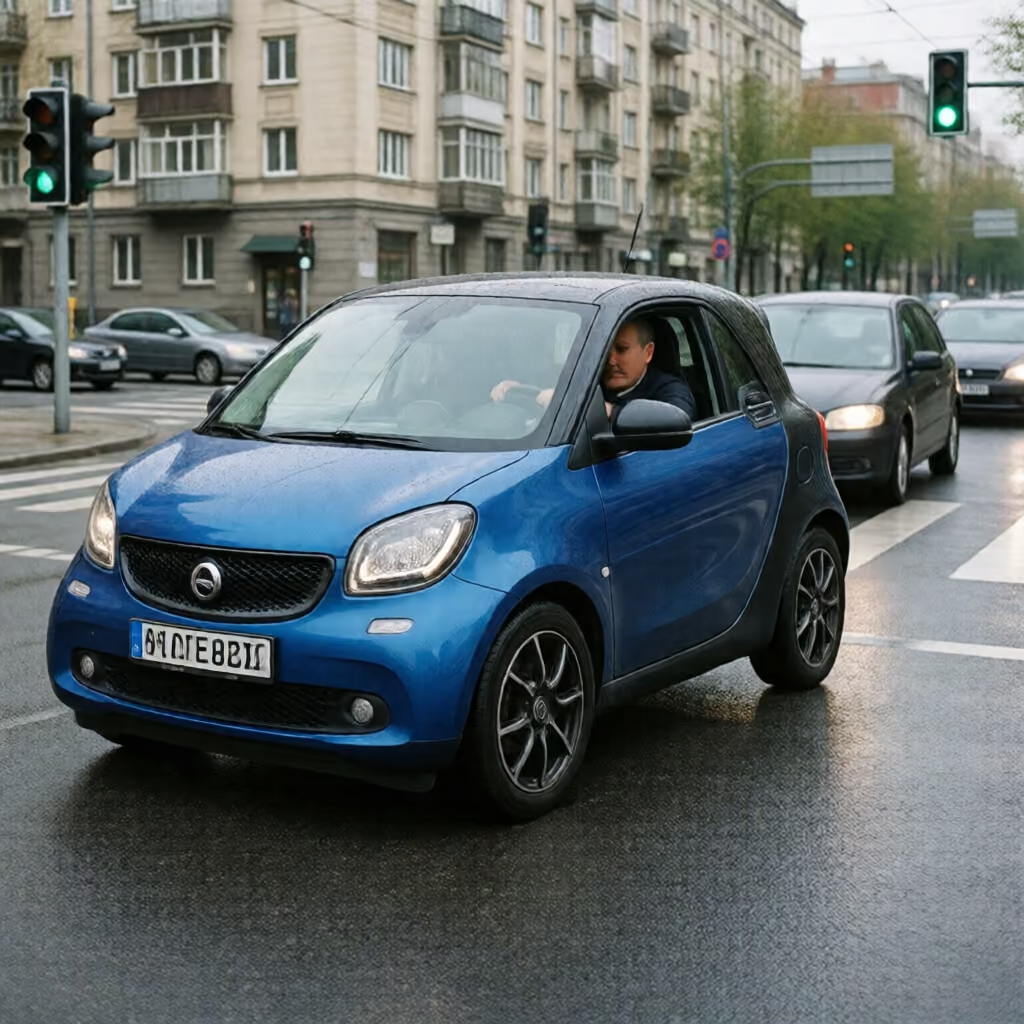
to start rolling
To begin moving with a rolling motion or slowly set off.
Der Wagen rollt an, sobald die Ampel grün wird.
The car starts rolling as soon as the light turns green.

to get underway
To begin or get underway gradually, especially when referring to events, developments, or processes.
Nach langen Vorbereitungen rollt die neue Werbekampagne an.
After a long period of preparation, the new advertising campaign is getting underway.
| ich | rolle an |
|---|---|
| du | rollst an |
| er/sie/es | rollt an |
| wir | rollen an |
| ihr | rollt an |
| sie | rollen an |
| ich | rollte an |
|---|---|
| du | rolltest an |
| er/sie/es | rollte an |
| wir | rollten an |
| ihr | rolltet an |
| sie | rollten an |
| ich | habe angerollt bin angerollt |
|---|---|
| du | hast angerollt bist angerollt |
| er/sie/es | hat angerollt ist angerollt |
| wir | haben angerollt sind angerollt |
| ihr | habt angerollt seid angerollt |
| sie | haben angerollt sind angerollt |
| du | roll an! rolle an! |
|---|---|
| ihr | rollt an! |
| Sie | rollen Sie an! |
| ich | hatte angerollt war angerollt |
|---|---|
| du | hattest angerollt warst angerollt |
| er/sie/es | hatte angerollt war angerollt |
| wir | hatten angerollt waren angerollt |
| ihr | hattet angerollt wart angerollt |
| sie | hatten angerollt waren angerollt |
| ich | werde anrollen |
|---|---|
| du | wirst anrollen |
| er/sie/es | wird anrollen |
| wir | werden anrollen |
| ihr | werdet anrollen |
| sie | werden anrollen |
| ich | rolle an |
|---|---|
| du | rollest an |
| er/sie/es | rolle an |
| wir | rollen an |
| ihr | rollet an |
| sie | rollen an |
Used for reported speech.
| ich | rollte an |
|---|---|
| du | rolltest an |
| er/sie/es | rollte an |
| wir | rollten an |
| ihr | rolltet an |
| sie | rollten an |
Used for wishes and “would”.
| infinitive | anrollen |
|---|---|
| with zu | anzurollen |
| present participle | anrollend |
| past participle | angerollt |
'Anrollen' (to roll up) is a separable verb. In a main clause, 'an' (up) appears at the end of the sentence; in a subordinate clause, the verb remains together, and in the infinitive with 'zu' (to), 'zu' comes between 'an' and 'rollen'.
Pünktlich um acht rollt der Konvoi vor dem Werkstor an.
At exactly eight, the convoy rolls up in front of the factory gates.
Die Reisenden warten, bis der Zug anrollt.
The travelers wait until the train rolls up.
Der Fahrer wartete auf das Zeichen, endlich anzurollen.
The driver waited for the signal to finally start rolling.
'Anrollen' (to roll up) consists of 'an' (up) and 'rollen' (to roll). The prefix 'an' (up) connects the rolling motion with approaching someone or something, or with the beginning of a movement or process.
Der Ball rollte langsam auf den Torwart an.
The ball slowly rolled toward the goalkeeper.
When 'anrollen' (to roll something up) means bringing something by rolling it, the thing being rolled appears as an accusative object. The destination or person is often also specified with 'zu' (to) or 'an' (to).
Die Helfer rollten den Koffer zum Eingang an.
The helpers rolled the suitcase up to the entrance.
When referring to events and developments, 'anrollen' (to get underway) often occurs with words such as 'Wahlkampf' (election campaign), 'Kampagne' (campaign), or 'Produktion' (production). It often describes the gradual beginning or start of a larger activity.
Nach den Ferien rollt die Produktion wieder an.
Production will get underway again after the holidays.