

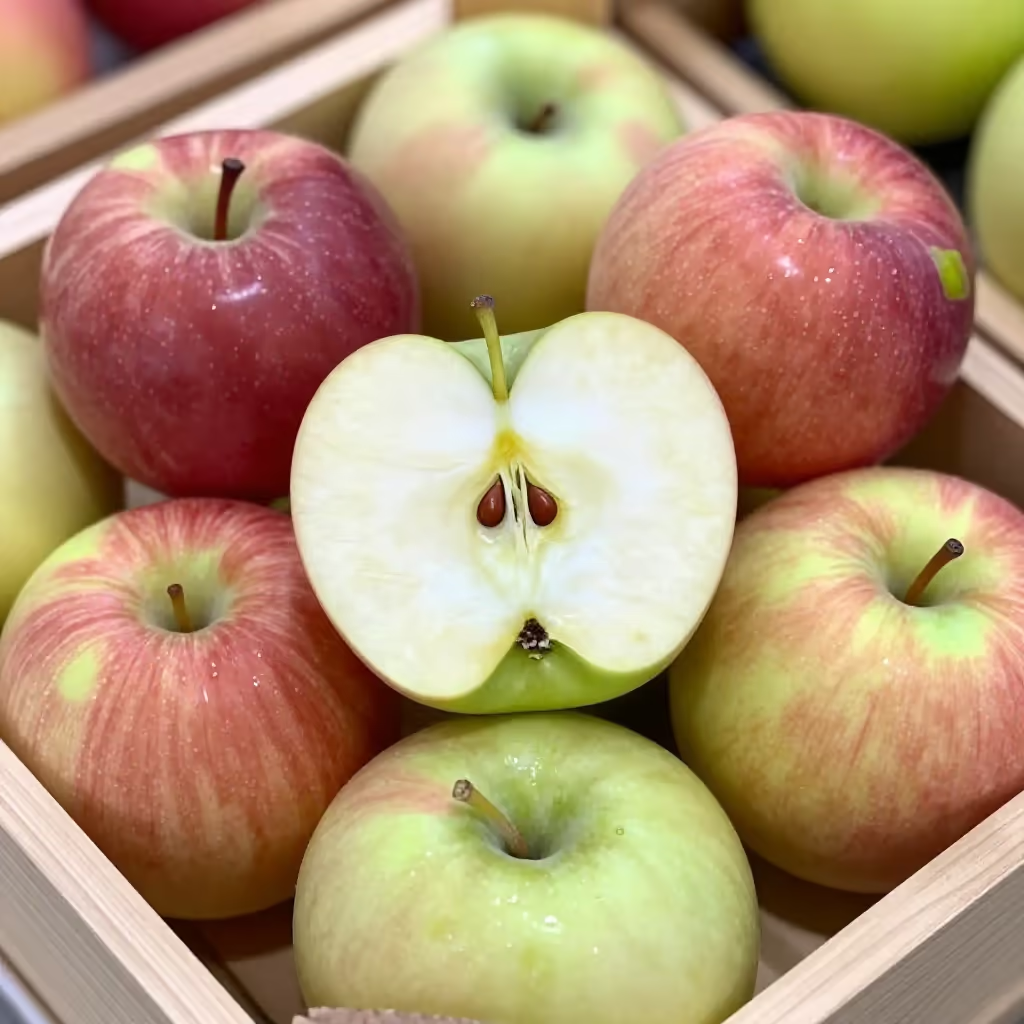
der Apfel
apple
The round, edible fruit of the apple tree with a skin that can be green, yellow, or red depending on the variety.
EXAMPLE
Ein Apfel am Tag hält den Doktor fern.
An apple a day keeps the doctor away.
apple
Loading your saved state.
apple
The round, edible fruit of the apple tree with a skin that can be green, yellow, or red depending on the variety.
Ein Apfel am Tag hält den Doktor fern.
An apple a day keeps the doctor away.

the apple doesn't fall far from the tree
An idiom that means children often have similar traits, behaviors, or talents to their parents.
Sein Sohn ist auch Musiker geworden – der Apfel fällt eben nicht weit vom Stamm.
His son became a musician too — the apple doesn't fall far from the tree.
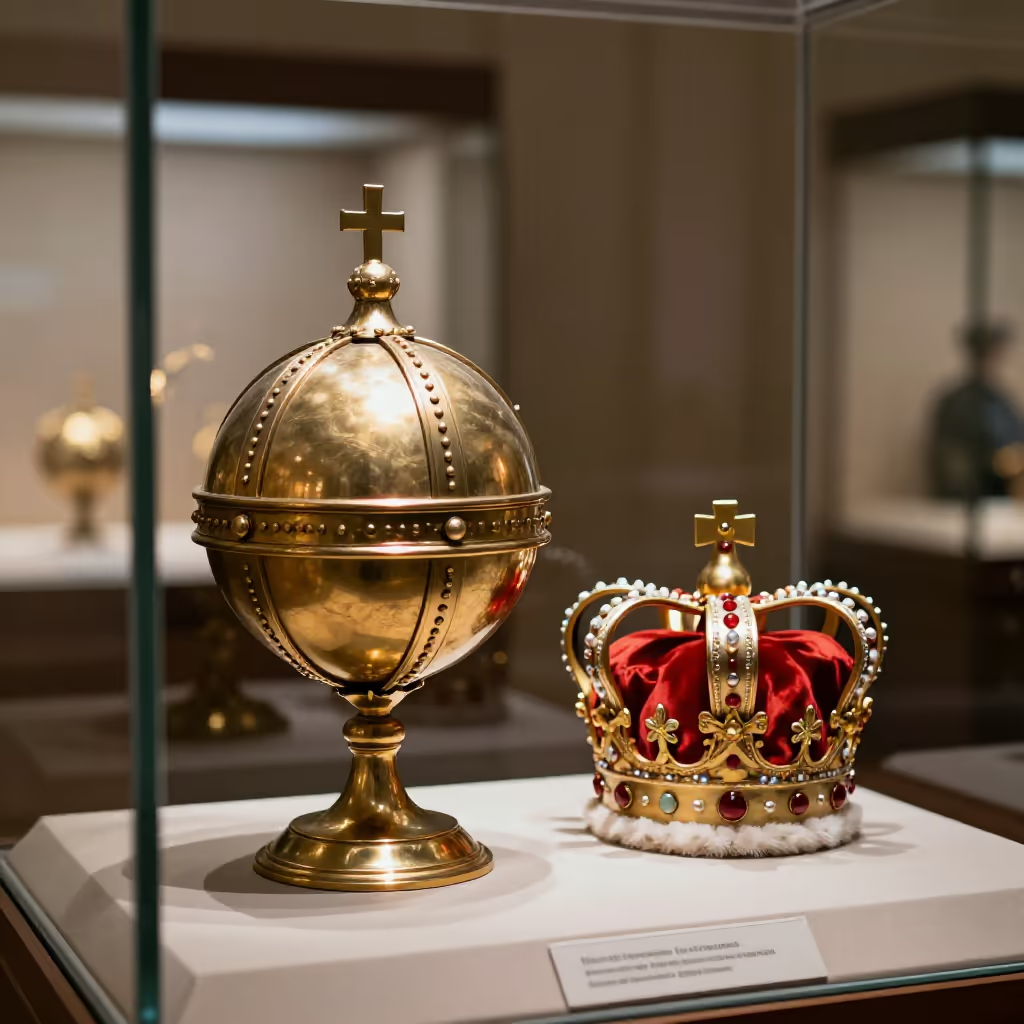
orb
In a historical context, the imperial orb, part of the coronation regalia, symbolizing dominion over the world.
Der Kaiser hielt bei der Krönung Zepter und Apfel in den Händen.
At the coronation, the emperor held the scepter and orb in his hands.
'Apfel' (apple) is a very productive base word and forms many useful compound nouns. If you recognize 'Apfel', you can often figure out the meaning of the whole word.
Möchtest du ein Glas Apfelsaft?
Would you like a glass of apple juice?
The idiom 'in den sauren Apfel beißen' (to bite into the sour apple) means that you have to do an unpleasant but necessary task. It is often used when there is no other choice.
Ich muss jetzt in den sauren Apfel beißen und meine Steuererklärung machen.
I have to bite the bullet now and do my tax return.
The sentence 'Der Apfel fällt nicht weit vom Stamm' (the apple doesn't fall far from the tree) is a fixed proverb. It is used to express that children are very similar to their parents in behavior or appearance.
Ihre Tochter ist genauso musikalisch wie sie. Der Apfel fällt eben nicht weit vom Stamm.
Her daughter is just as musical as she is. The apple doesn't fall far from the tree.
You can recognize the historical meaning 'Reichsapfel' (imperial orb) from the context. The word appears almost only in texts about kings, emperors, or history, often together with 'Krone' (crown) and 'Zepter' (scepter).
Im Museum waren die alten Insignien mit Krone, Zepter und Apfel ausgestellt.
In the museum, the old regalia with crown, scepter, and orb were on display.