


auffangen
to catch
To catch something that is falling or moving with your hands or an object before it reaches the ground.
EXAMPLE
Der Torwart konnte den Ball sicher auffangen.
The goalkeeper was able to catch the ball safely.
to catch / absorb
Loading your saved state.
to catch
To catch something that is falling or moving with your hands or an object before it reaches the ground.
Der Torwart konnte den Ball sicher auffangen.
The goalkeeper was able to catch the ball safely.

to support someone
To help and support someone in a difficult emotional or financial situation in order to prevent a breakdown.
Nach der Trennung haben ihre Freunde sie aufgefangen.
After the breakup, her friends supported her.
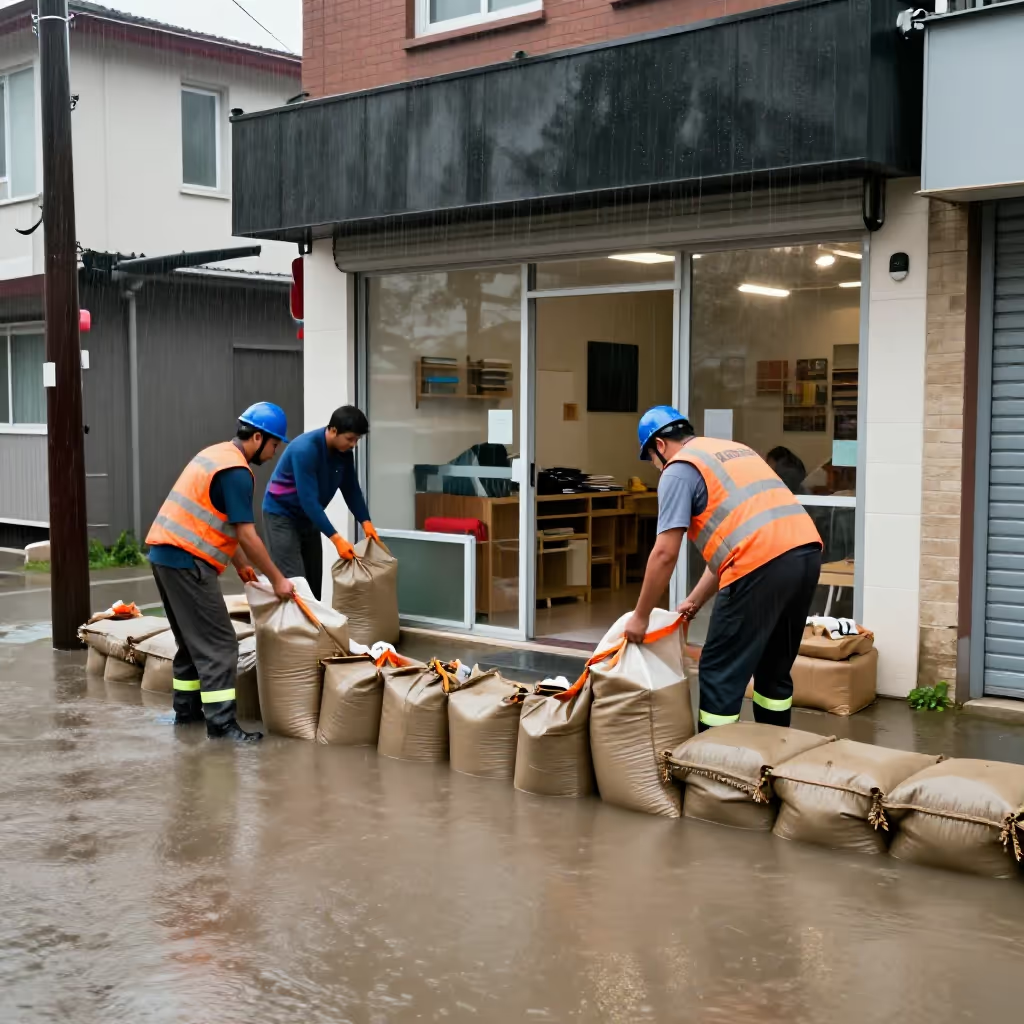
to absorb
To lessen or offset the negative effects of something.
Die Regierung versucht, die wirtschaftlichen Verluste durch Subventionen aufzufangen.
The government is trying to absorb the economic losses through subsidies.
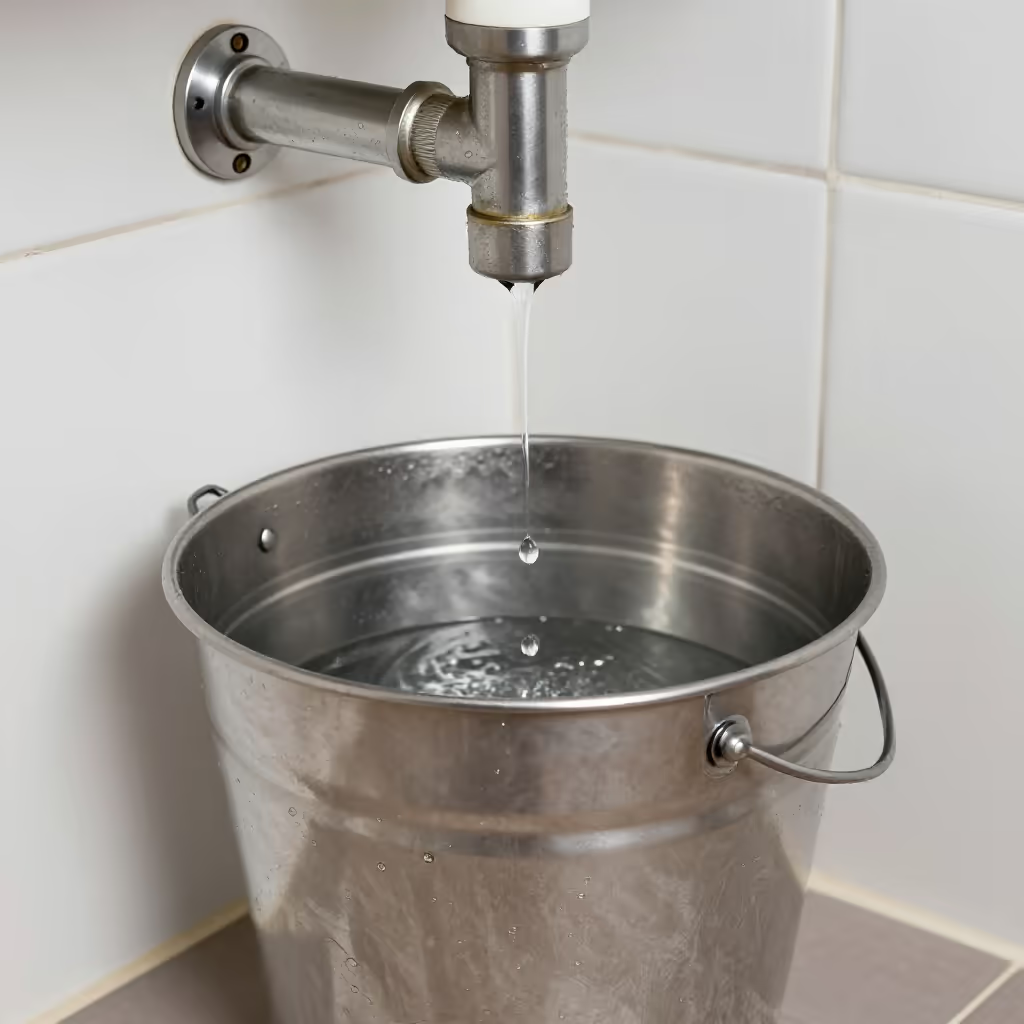
to collect
To collect something that is flowing or dripping in a container.
Wir fangen das Regenwasser in einer großen Tonne auf.
We collect the rainwater in a large barrel.
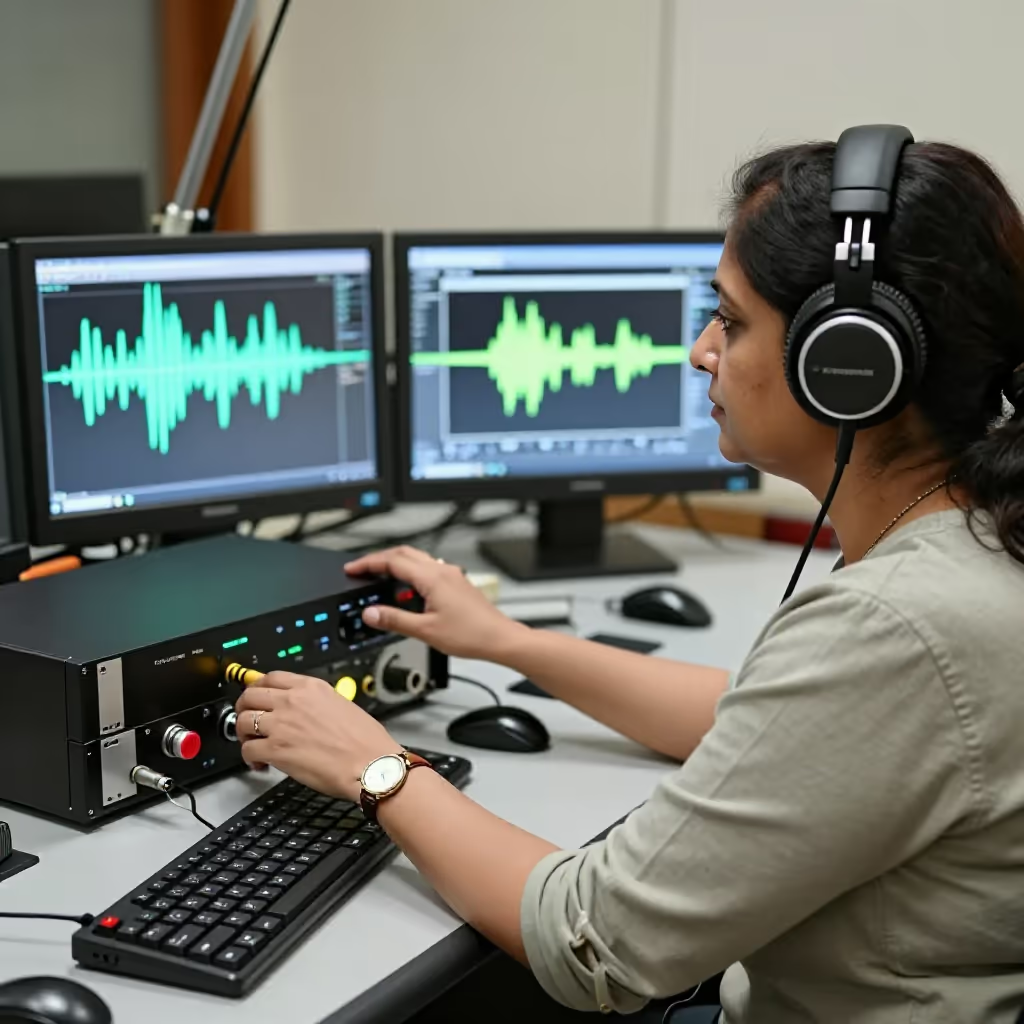
to pick up
To receive or intercept signals, messages, or information.
Mit der Antenne konnten wir Radiosignale aus dem Ausland auffangen.
With the antenna, we were able to pick up radio signals from abroad.
'Auffangen' (to catch / absorb) is a separable verb. The prefix 'auf' comes at the end in a main clause, while it stays attached to the verb in a subordinate clause. In the infinitive with 'zu', 'zu' goes in the middle.
Der Jongleur fängt alle Bälle geschickt auf.
The juggler skillfully catches all the balls.
The prefix 'auf-' here describes stopping or collecting something that is moving or flowing. This idea connects all the meanings: you can 'auffangen' (catch) a ball, 'auffangen' (support) a person in need, 'auffangen' (absorb) economic losses, or 'auffangen' (collect) rainwater.
Das soziale Netz soll Menschen auffangen, die ihre Arbeit verlieren.
The social safety net is meant to support people who lose their jobs.
You can recognize the exact meaning of 'auffangen' (to catch / absorb) from the object. Is it an object (ball), a person, a liquid (water), or something abstract (losses, signals)?
Kannst du das tropfende Wasser mit einem Eimer auffangen?
Can you collect the dripping water with a bucket?
In the figurative meaning, 'auffangen' (to support) always refers to a person who is being helped. The verb describes emotional or social support in a crisis.
Nach dem Tod ihres Mannes wurde sie von ihrer Familie aufgefangen.
After her husband's death, she was supported by her family.
This meaning is often used with abstract, negative nouns. Typical combinations are 'Kosten auffangen' (to absorb costs), 'Folgen auffangen' (to absorb consequences), or 'einen Rückgang auffangen' (to offset a decline).
Mit den neuen Maßnahmen will die Politik die steigenden Kosten für die Bürger auffangen.
With the new measures, policymakers want to absorb the rising costs for citizens.
When it comes to information, 'auffangen' (to pick up) often means to catch something by chance or in passing. It can refer to technical signals or to snippets of conversation.
Ich habe zufällig ein Gerücht über den neuen Chef aufgefangen.
I happened to pick up a rumor about the new boss.
to record / take in
Aufnehmen and auffangen can both refer to receiving information. Aufnehmen emphasizes that someone takes in and processes the information. Auffangen, by contrast, focuses more on receiving or intercepting a message or signal, for example with a radio.

Die Funkerin fängt die Nachricht mit ihrem Gerät auf.
The radio operator picks up the message with her device.
Die Funkerin nimmt die Informationen aus der Nachricht aufmerksam auf.
The radio operator carefully takes in the information from the message.