

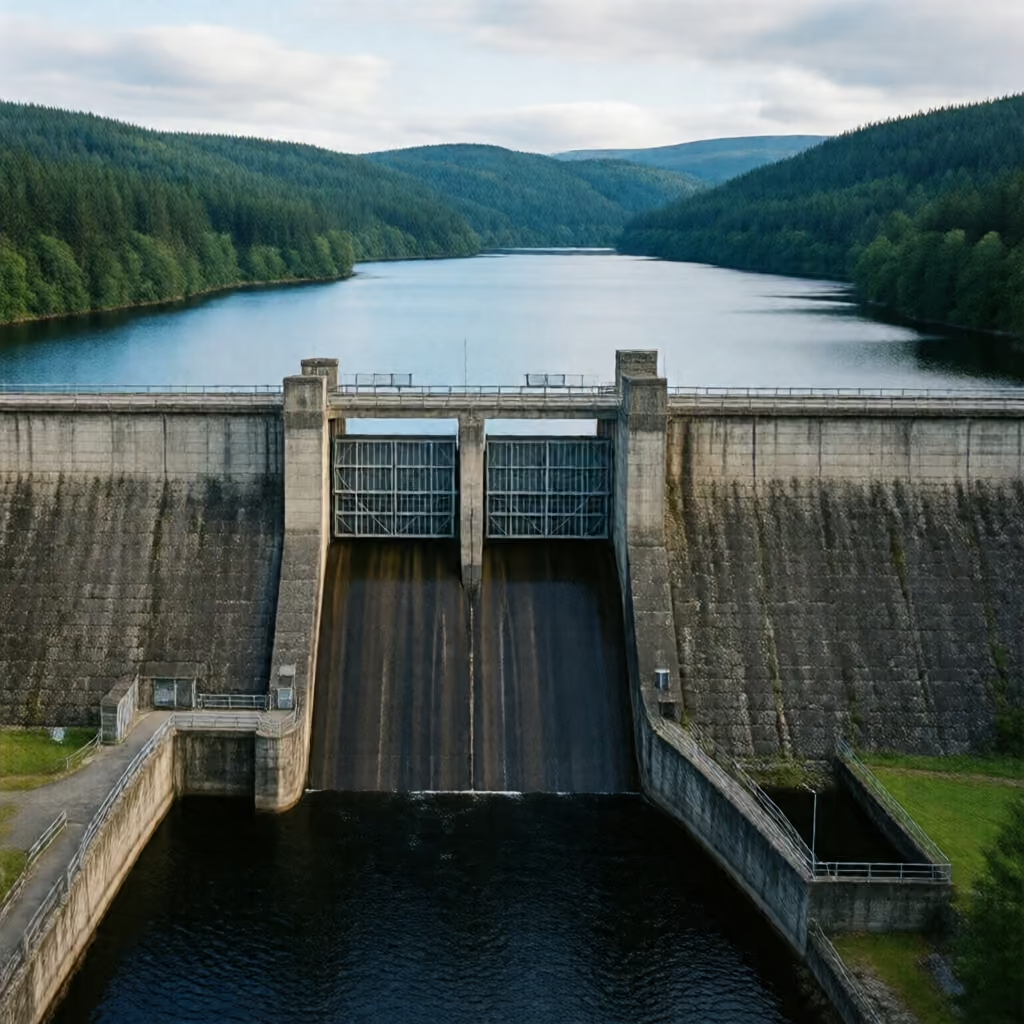
aufstauen
to dam up
To hold back flowing water with a barrier so that the water level rises.
EXAMPLE
Der Damm staut den Fluss zu einem See auf.
The dam dams up the river to form a lake.
to dam up / build up
aufstauen – staute auf – hat aufgestaut
Loading your saved state.
to dam up
To hold back flowing water with a barrier so that the water level rises.
Der Damm staut den Fluss zu einem See auf.
The dam dams up the river to form a lake.
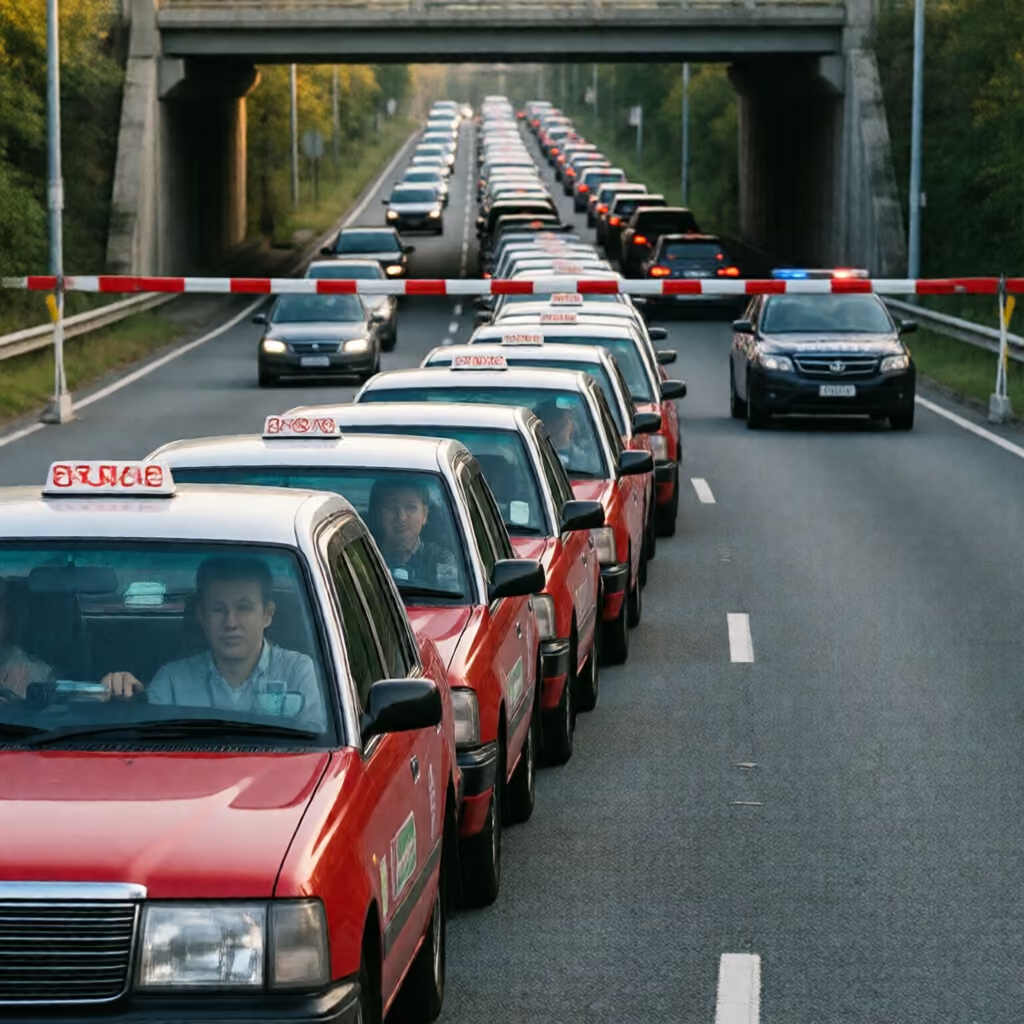
to build up
To accumulate in front of an obstacle or at a narrow point because the onward flow or movement is obstructed.
Vor der gesperrten Brücke stauten sich die Fahrzeuge auf.
Traffic built up in front of the closed bridge.

to bottle up
To hold back feelings or inner tension so that they grow stronger. Used reflexively, 'sich aufstauen' (to build up) means that such feelings or tensions accumulate.
Über Monate hatte sich in ihr immer mehr Wut aufgestaut.
Over the months, more and more anger had built up inside her.
| ich | staue auf |
|---|---|
| du | staust auf |
| er/sie/es | staut auf |
| wir | stauen auf |
| ihr | staut auf |
| sie | stauen auf |
| ich | staute auf |
|---|---|
| du | stautest auf |
| er/sie/es | staute auf |
| wir | stauten auf |
| ihr | stautet auf |
| sie | stauten auf |
| ich | habe aufgestaut |
|---|---|
| du | hast aufgestaut |
| er/sie/es | hat aufgestaut |
| wir | haben aufgestaut |
| ihr | habt aufgestaut |
| sie | haben aufgestaut |
| du | stau auf! staue auf! |
|---|---|
| ihr | staut auf! |
| Sie | stauen Sie auf! |
| ich | hatte aufgestaut |
|---|---|
| du | hattest aufgestaut |
| er/sie/es | hatte aufgestaut |
| wir | hatten aufgestaut |
| ihr | hattet aufgestaut |
| sie | hatten aufgestaut |
| ich | werde aufstauen |
|---|---|
| du | wirst aufstauen |
| er/sie/es | wird aufstauen |
| wir | werden aufstauen |
| ihr | werdet aufstauen |
| sie | werden aufstauen |
| ich | staue auf |
|---|---|
| du | stauest auf |
| er/sie/es | staue auf |
| wir | stauen auf |
| ihr | stauet auf |
| sie | stauen auf |
Used for reported speech.
| ich | staute auf |
|---|---|
| du | stautest auf |
| er/sie/es | staute auf |
| wir | stauten auf |
| ihr | stautet auf |
| sie | stauten auf |
Used for wishes and “would”.
| infinitive | aufstauen |
|---|---|
| with zu | aufzustauen |
| present participle | aufstauend |
| past participle | aufgestaut |
'Aufstauen' (to dam up / build up) consists of 'auf-' and 'stauen' (to hold back) and is separable. In a main clause, 'auf' goes at the end; in a subordinate clause, the verb stays together. In an infinitive with 'zu', 'zu' goes between 'auf' and 'stauen'.
Die neue Mauer staut das Wasser auf.
The new wall dams up the water.
Die Wiese ist überschwemmt, weil die neue Mauer das Wasser aufstaut.
The meadow is flooded because the new wall dams up the water.
Die Anlage dient dazu, das Wasser aufzustauen.
The facility is used to dam up the water.
The water being held back is the accusative object. You can use 'zu' with the dative to specify the body of water that is formed; a typical phrase is 'zu einem See aufstauen' (to dam up to form a lake).
Die Gemeinde hat das Wasser des Baches zu einem kleinen Teich aufgestaut.
The municipality has dammed up the stream's water to form a small pond.
For traffic or crowds, 'sich aufstauen' (to build up) is typical: the vehicles or people are the subject, accompanied by the reflexive pronoun. The location of the obstacle is often indicated with 'vor' (in front of) and the dative.
Am Nachmittag stauten sich die Autos vor dem Tunnel auf.
In the afternoon, traffic built up in front of the tunnel.
Typical collocations combine 'Wut' (anger), 'Ärger' (annoyance), or 'Frust' (frustration) with 'sich aufstauen' (to build up). You can identify the person affected using 'in' (inside) with the dative; time expressions such as 'über Wochen' (over several weeks) or 'mit der Zeit' (over time) emphasize the gradual development.
Mit der Zeit staute sich in ihm so viel Frust auf, dass er schließlich kündigte.
Over time, so much frustration built up inside him that he eventually quit his job.