

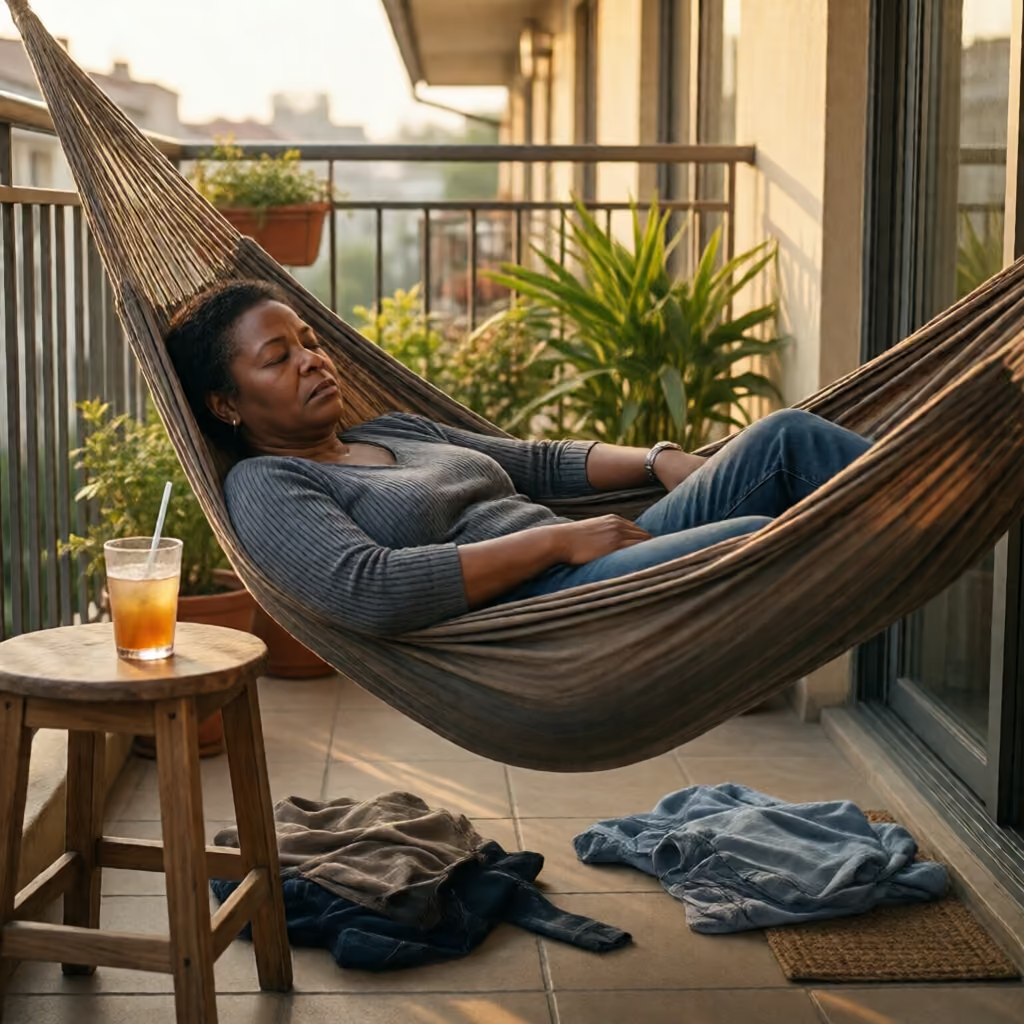
ausspannen
to relax
To rest and recover from work or exertion.
EXAMPLE
Nach der anstrengenden Woche möchte ich am Wochenende einfach nur ausspannen.
After the exhausting week, I just want to relax this weekend.
to relax / poach / unharness
ausspannen – spannte aus – hat ausgespannt
Loading your saved state.
to relax
To rest and recover from work or exertion.
Nach der anstrengenden Woche möchte ich am Wochenende einfach nur ausspannen.
After the exhausting week, I just want to relax this weekend.
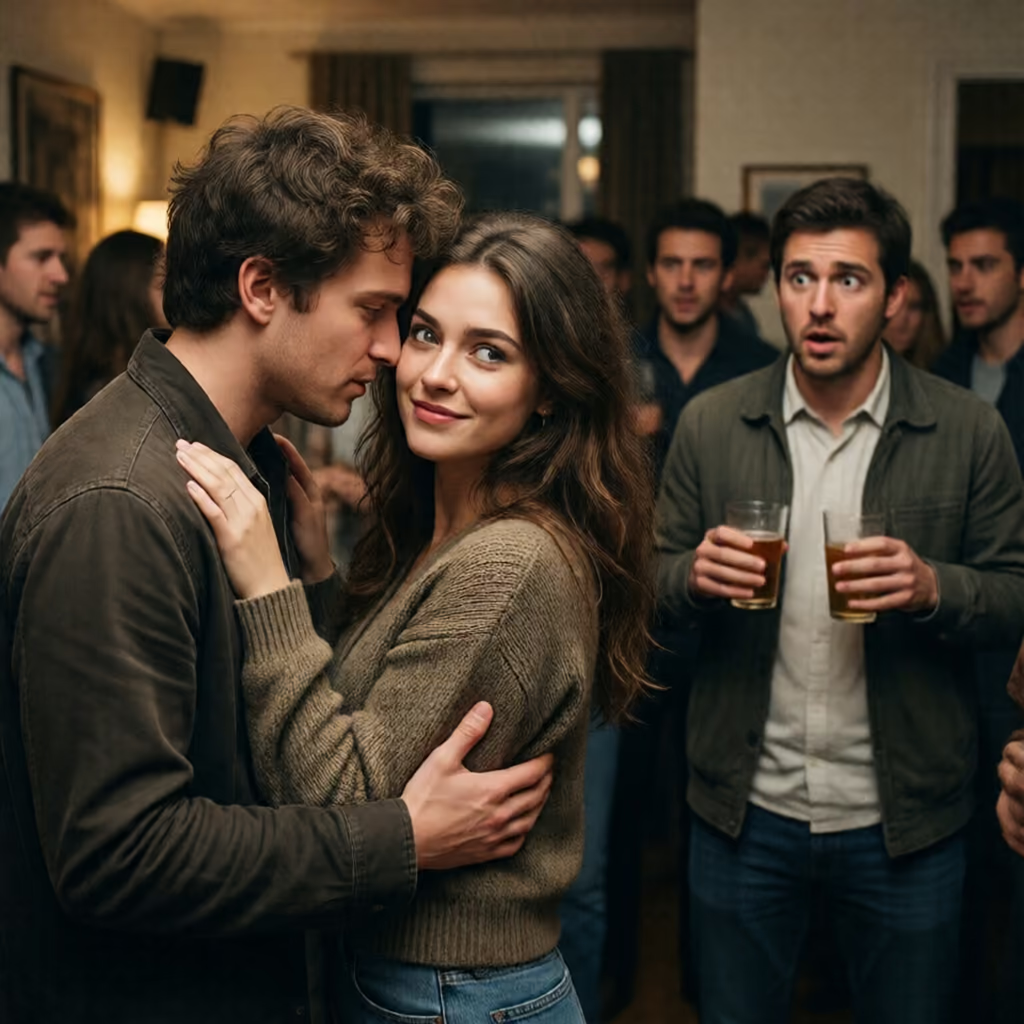
to steal someone's partner
Informal: To persuade someone to leave their current partner and begin a relationship with you.
Er hat seinem besten Freund die Freundin ausgespannt.
He stole his best friend's girlfriend.

to poach
Informal: To win over someone else's customers or employees, ending their business or employment relationship with that person or company.
Die Konkurrenz hat uns mit günstigeren Angeboten mehrere Kunden ausgespannt.
The competition poached several of our customers with cheaper offers.
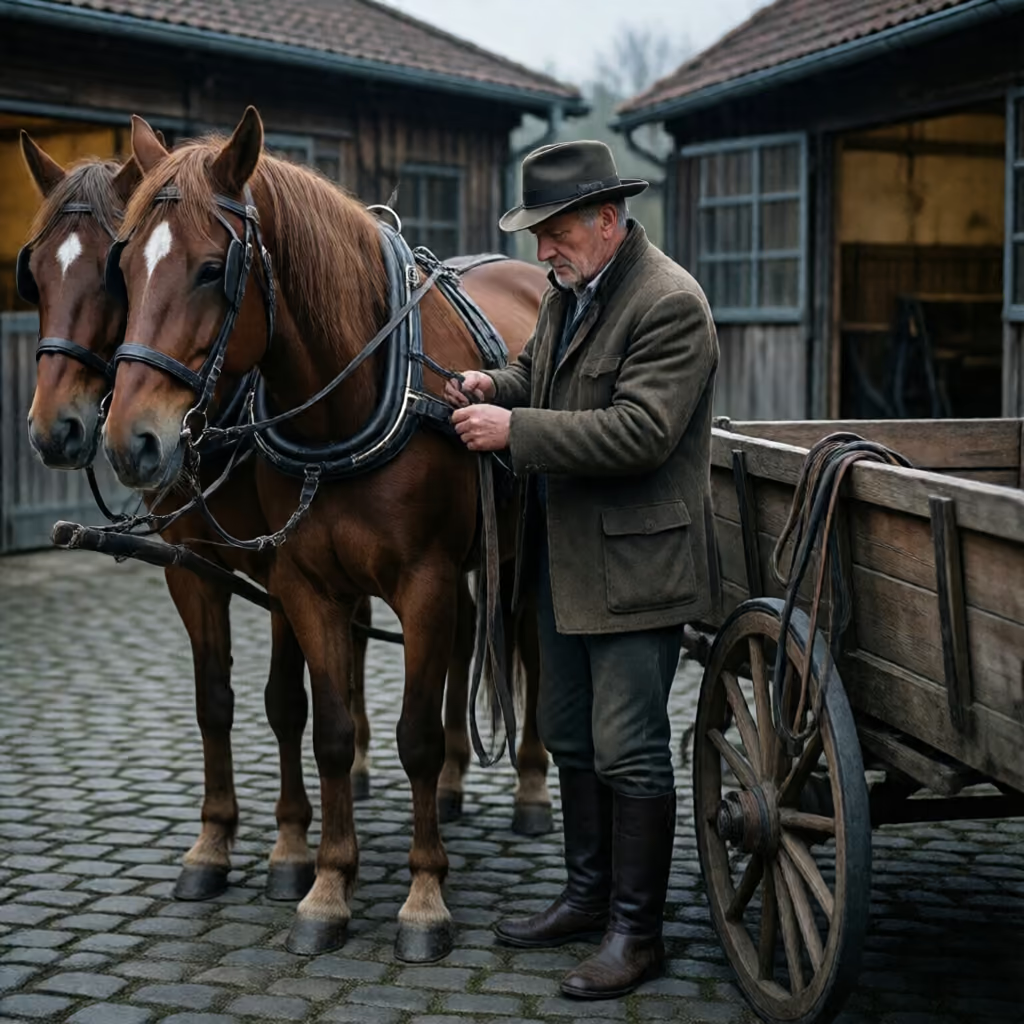
to unharness
To release a draft animal from the harness that attaches it to a cart or a piece of farm equipment.
Nach der Fahrt spannte der Kutscher die Pferde aus.
After the ride, the coachman unharnessed the horses.
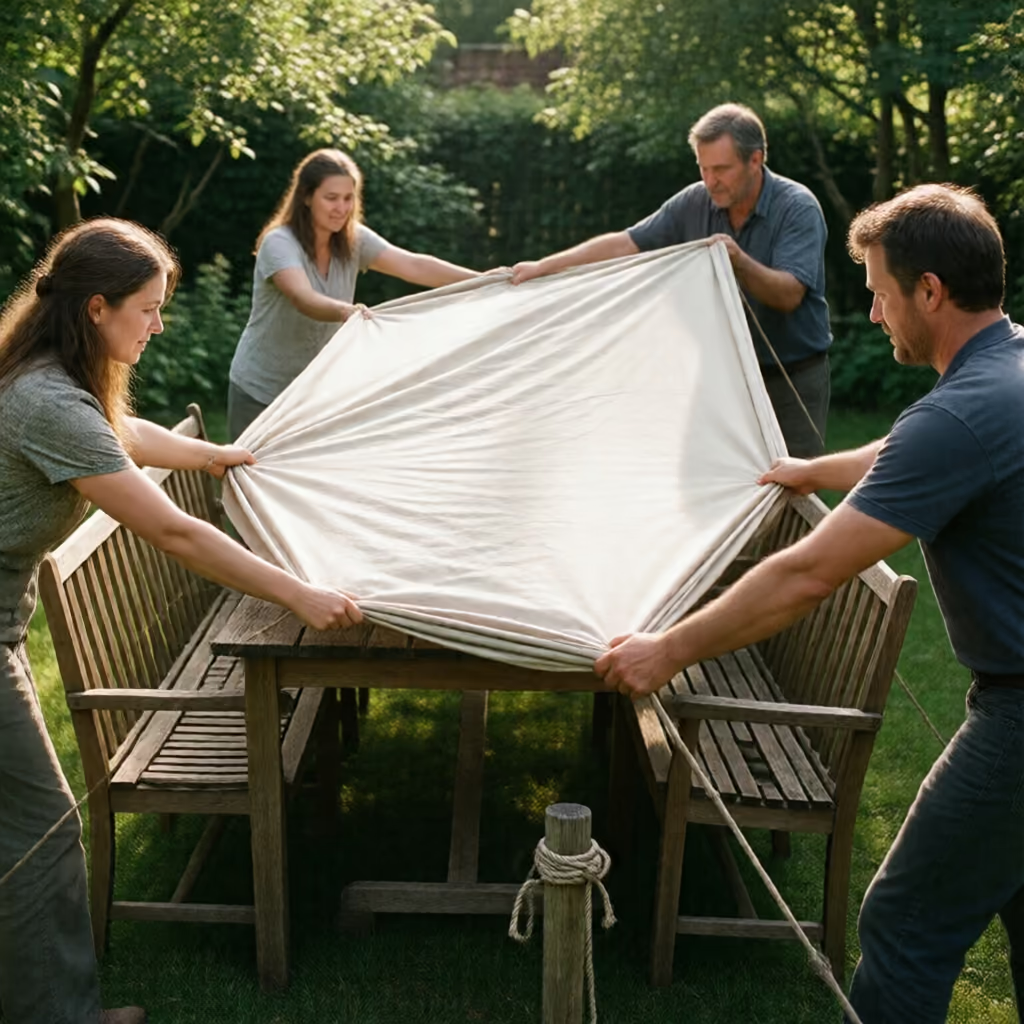
to stretch out
To spread something out by pulling it or holding it under tension.
Über dem Sitzplatz spannten sie ein großes Tuch als Sonnenschutz aus.
They stretched out a large cloth over the seating area to provide shade.
| ich | spanne aus |
|---|---|
| du | spannst aus |
| er/sie/es | spannt aus |
| wir | spannen aus |
| ihr | spannt aus |
| sie | spannen aus |
| ich | spannte aus |
|---|---|
| du | spanntest aus |
| er/sie/es | spannte aus |
| wir | spannten aus |
| ihr | spanntet aus |
| sie | spannten aus |
| ich | habe ausgespannt |
|---|---|
| du | hast ausgespannt |
| er/sie/es | hat ausgespannt |
| wir | haben ausgespannt |
| ihr | habt ausgespannt |
| sie | haben ausgespannt |
| du | spannt aus! spanne aus!, spann aus! |
|---|---|
| ihr | spannt aus! |
| Sie | spannen Sie aus! |
| ich | hatte ausgespannt |
|---|---|
| du | hattest ausgespannt |
| er/sie/es | hatte ausgespannt |
| wir | hatten ausgespannt |
| ihr | hattet ausgespannt |
| sie | hatten ausgespannt |
| ich | werde ausspannen |
|---|---|
| du | wirst ausspannen |
| er/sie/es | wird ausspannen |
| wir | werden ausspannen |
| ihr | werdet ausspannen |
| sie | werden ausspannen |
| ich | spanne aus |
|---|---|
| du | spannest aus |
| er/sie/es | spanne aus |
| wir | spannen aus |
| ihr | spannet aus |
| sie | spannen aus |
Used for reported speech.
| ich | spannte aus |
|---|---|
| du | spanntest aus |
| er/sie/es | spannte aus |
| wir | spannten aus |
| ihr | spanntet aus |
| sie | spannten aus |
Used for wishes and “would”.
| infinitive | ausspannen |
|---|---|
| with zu | auszuspannen |
| present participle | ausspannend |
| past participle | ausgespannt |
'Ausspannen' (to relax / poach / unharness) is a separable verb: in a main clause, 'aus' goes at the end of the clause; in a subordinate clause, the verb stays together. In the infinitive with 'zu', 'zu' goes between the prefix and the verb.
Nach dem langen Arbeitstag spannen wir im Garten aus.
After the long workday, we relax in the garden.
Sie sagt, dass sie heute zu Hause ausspannt.
She says that she is relaxing at home today.
Am Wochenende versucht er, richtig auszuspannen.
At the weekend, he tries to really relax.
When it means drawing someone away from a romantic or business relationship, the original partner or business associate is in the dative, and the person won over is in the accusative. The pattern is 'jemandem jemanden ausspannen' (to steal someone's partner or poach someone's customer or employee).
Sie hat ihrer Freundin den Partner ausgespannt.
She stole her friend's partner.
Die neue Firma spannte dem Konkurrenten wichtige Kunden aus.
The new company poached important customers from its competitor.
When 'ausspannen' (to relax) refers to resting, it is used without an object and without 'sich' (oneself): say 'Ich spanne aus' (I am relaxing), not 'Ich spanne mich aus'. It is often used with time expressions such as 'am Wochenende' (at the weekend) or 'nach der Arbeit' (after work).
Nach dem Umzug spannen wir ein paar Tage aus.
After the move, we'll relax for a few days.
Im Urlaub an der See hat sie endlich einmal ausgespannt.
On her seaside vacation, she finally relaxed for once.
In this sense, the object is often a person in a romantic relationship, such as a partner or boyfriend. The dative identifies the person whose relationship is affected.
Er spannte seinem Bruder die Partnerin aus.
He stole his brother's partner.
Niemand wollte ihrer besten Freundin den Freund ausspannen.
No one wanted to steal her best friend's boyfriend.
In a business context, 'ausspannen' (to poach) often takes customers or employees as its accusative object. The dative object identifies the person or company that previously had the business or employment relationship with them.
Die Agentur spannte dem alten Dienstleister mehrere Großkunden aus.
The agency poached several major clients from the previous service provider.
Ein Konkurrent hat unserem Betrieb einen erfahrenen Mitarbeiter ausgespannt.
A competitor poached an experienced employee from our company.
When releasing a draft animal from its harness, the animal is the accusative object. Typical subjects are people who drive or look after a team of animals.
Für die Mittagspause spannte der Bauer die Ochsen aus und führte sie zur Tränke.
For the lunch break, the farmer unharnessed the oxen and led them to the water trough.
Bevor es dunkel wurde, spannte sie das Pony aus.
Before it got dark, she unharnessed the pony.
With a sheet of material or a cloth, 'ausspannen' (to stretch out) means securing it under tension so that it is taut and spread out. The sentence often also specifies the points between which, or the area over which, something is stretched out.
Wir spannten ein Netz zwischen zwei Bäumen aus.
We stretched out a net between two trees.
Die Handwerker spannten eine Plane über den offenen Bereich aus.
The workers stretched out a tarp over the open area.