

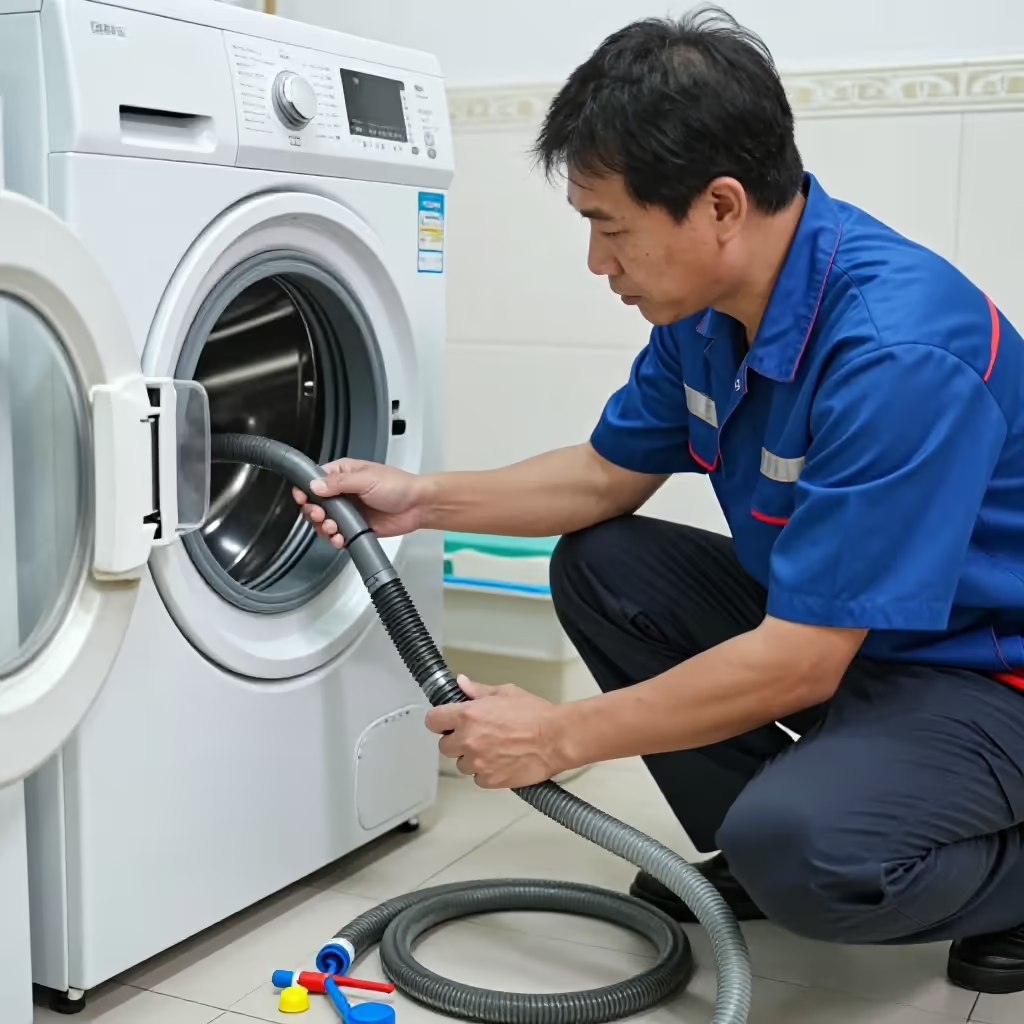
auswechseln
to replace
To replace a defective, used-up, or old part with a new or different one.
EXAMPLE
Der Mechaniker muss den platten Reifen auswechseln.
The mechanic has to replace the flat tire.
to replace / to substitute
Loading your saved state.
to replace
To replace a defective, used-up, or old part with a new or different one.
Der Mechaniker muss den platten Reifen auswechseln.
The mechanic has to replace the flat tire.

to substitute
In sports, to take a player out of the game and replace them with another player from the bench.
Der Trainer hat den Stürmer in der zweiten Halbzeit ausgewechselt.
The coach substituted the striker in the second half.
'Auswechseln' (to replace / to substitute) is a separable verb. In a main clause, the prefix 'aus-' comes at the end. In a subordinate clause, the verb stays together.
Ich wechsle die leere Batterie aus.
I replace the empty battery.
The verb is made up of the prefix 'aus-' and the verb 'wechseln' (to change). Here, the prefix 'aus-' emphasizes that something old or defective is taken out in order to be replaced with something new.
Könntest du bitte die Glühbirne im Flur auswechseln?
Could you please replace the light bulb in the hallway?
The context makes the meaning clear. Words like 'Spieler' (player), 'Trainer' (coach), or 'Mannschaft' (team) point to a sports context. Technical terms like 'Teil' (part), 'Motor' (engine), 'Filter' (filter), or 'Batterie' (battery) point to replacing components.
Der verletzte Spieler musste ausgewechselt werden.
The injured player had to be substituted.
In a sports context, you can introduce the new element with the preposition 'gegen' (for/with). Often, however, it is left out if it is not important.
Der Trainer wechselte den müden Verteidiger gegen einen frischen Spieler aus.
The coach substituted the tired defender with a fresh player.
to replace / reimburse
For an old or defective part, both words are possible. Ersetzen describes generally how another part takes over its place or function. Auswechseln places more emphasis on the specific process of removing the old part and putting in another one.
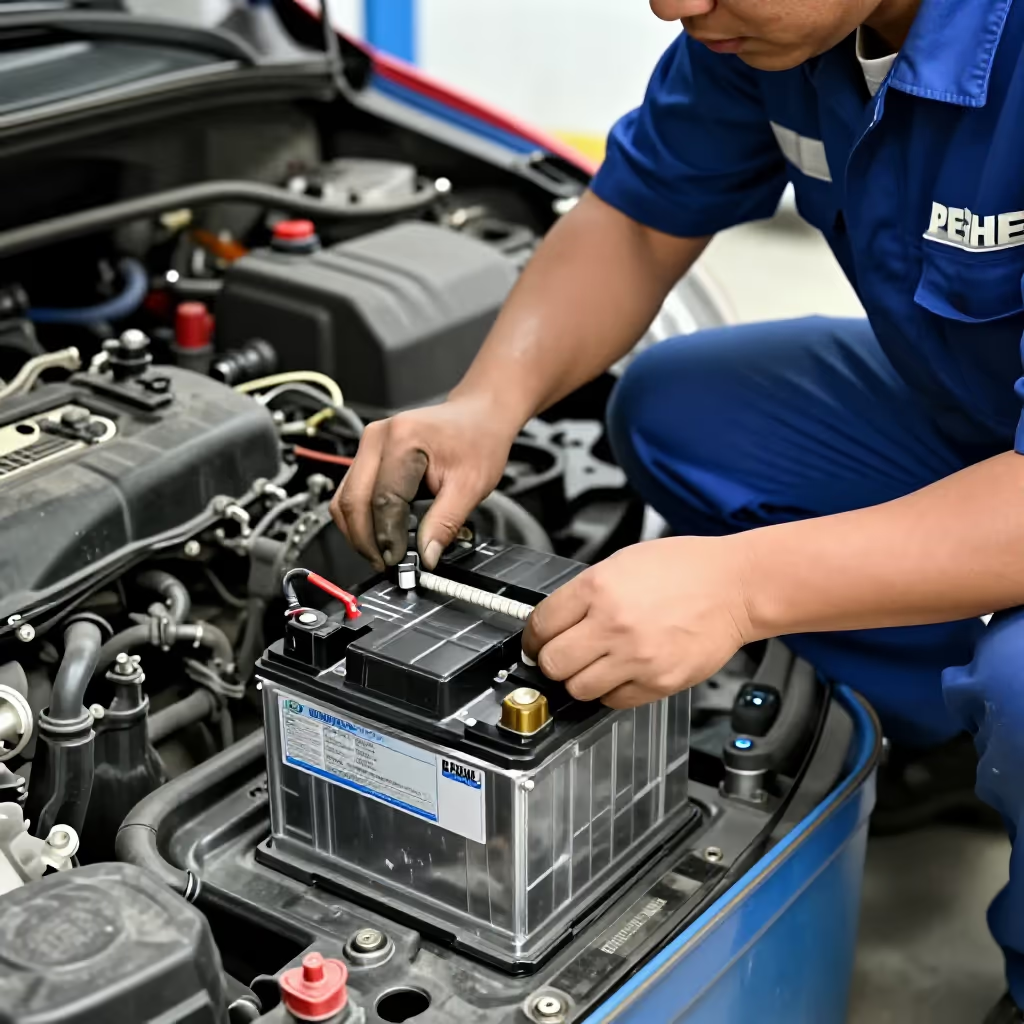
Der Techniker wechselt den defekten Akku im Gerät aus.
The technician is replacing the defective battery in the device.
Ein neuer Akku ersetzt künftig das defekte Teil im Gerät.
A new battery will replace the defective part in the device in the future.